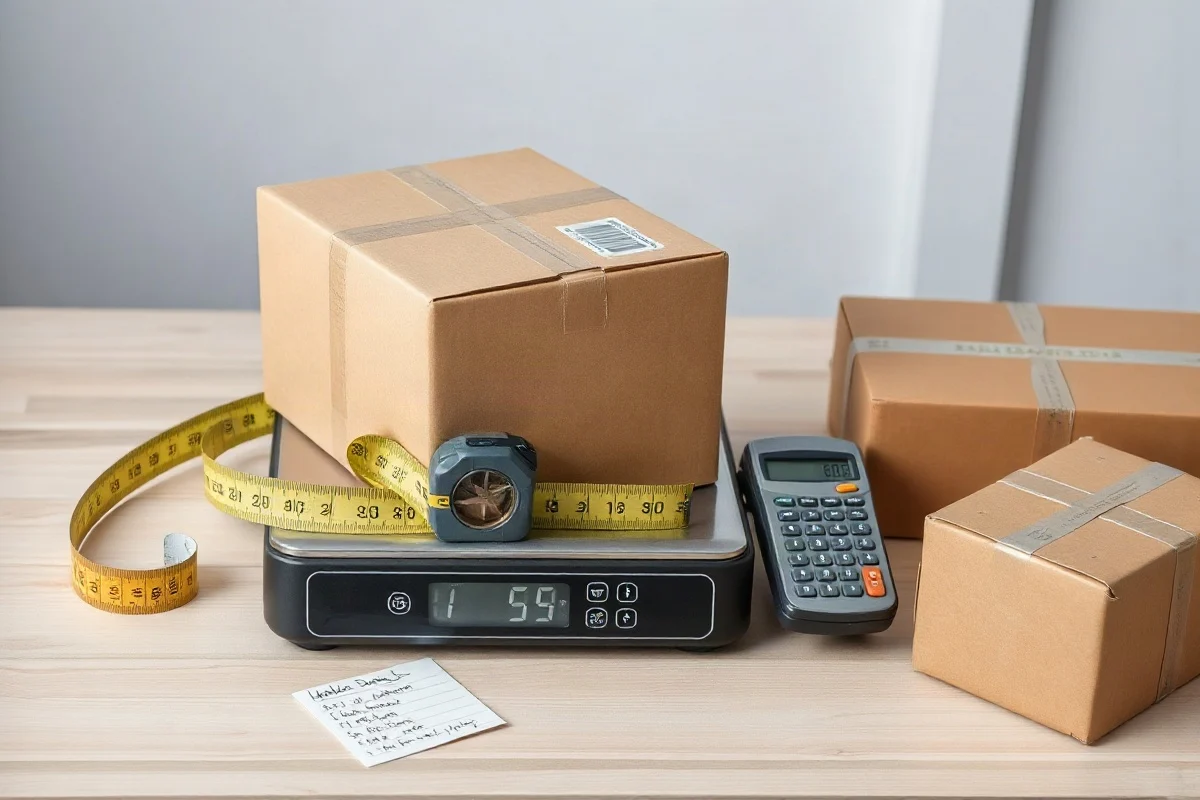
Dimensional Weight
How to Calculate Dimensional Weight
Learn how to measure a package, apply the dimensional-weight formula, compare the result with actual weight, and reduce avoidable shipping charges.
Dimensional weight explains how a package’s size can affect the weight used for shipping calculations, especially when a lightweight parcel takes up substantial space. This category offers clear guidance for understanding the relationship between package dimensions, volume, and billable weight, so you can evaluate shipping estimates with greater confidence. Explore practical explanations and calculation help for measuring length, width, and height, recognizing when dimensional weight may matter, and comparing it with a package’s actual weight. Whether you are preparing a shipment, choosing packaging, or reviewing a carrier estimate, the information here can help you work through the numbers and spot how box size influences shipping costs. Use these resources alongside the current rules and tools provided by your selected carrier, since calculation methods and requirements can vary. Clear measurements and consistent units are essential when working through any dimensional-weight formula, helping you understand results before selecting a box or finalizing a shipment.
Type a box size, measurement, carrier, shipping limit or question. Results stay inside this category.
Learn how to measure a package, apply the dimensional-weight formula, compare the result with actual weight, and reduce avoidable shipping charges.
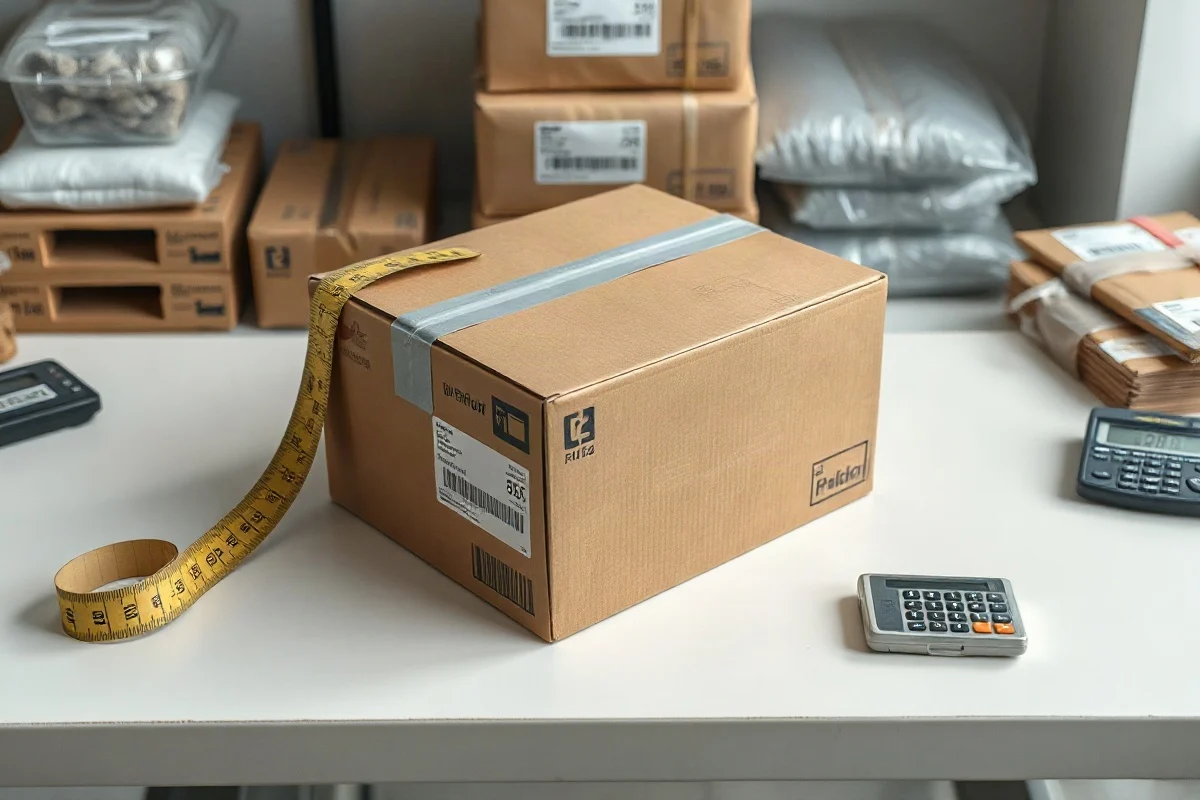
Dimensional weight is a shipping calculation based on a package’s size rather than its actual scale weight. Learn how to measure, calculate, and reduce it.

Shipping companies consider package size because large, lightweight parcels use valuable truck and aircraft space. Learn how dimensional weight works, how to measure a box, and how to reduce avoidable shipping costs.

Learn how to lower dimensional weight charges by measuring accurately, choosing a closer-fitting box, reducing empty space, and checking carrier-specific billing rules.
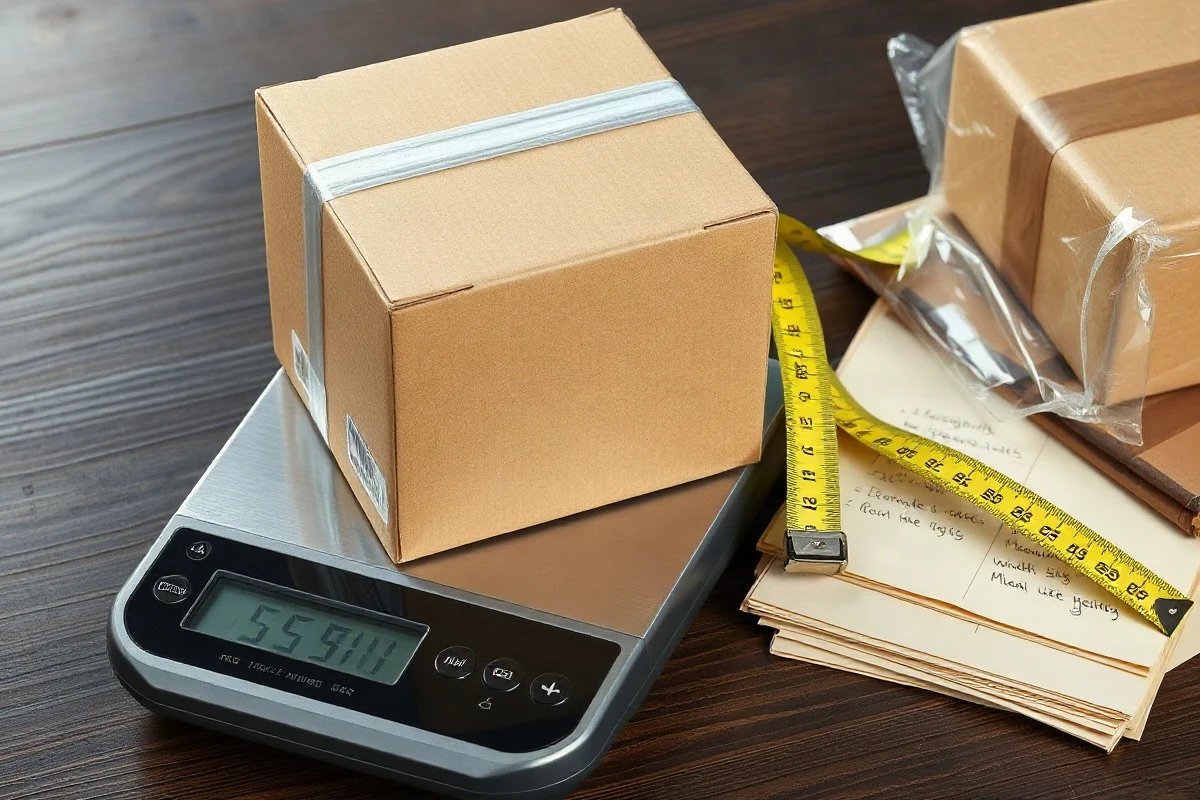
Learn how to compare actual and dimensional weight, measure a packed shipment, apply the correct carrier formula, and avoid common billing surprises.
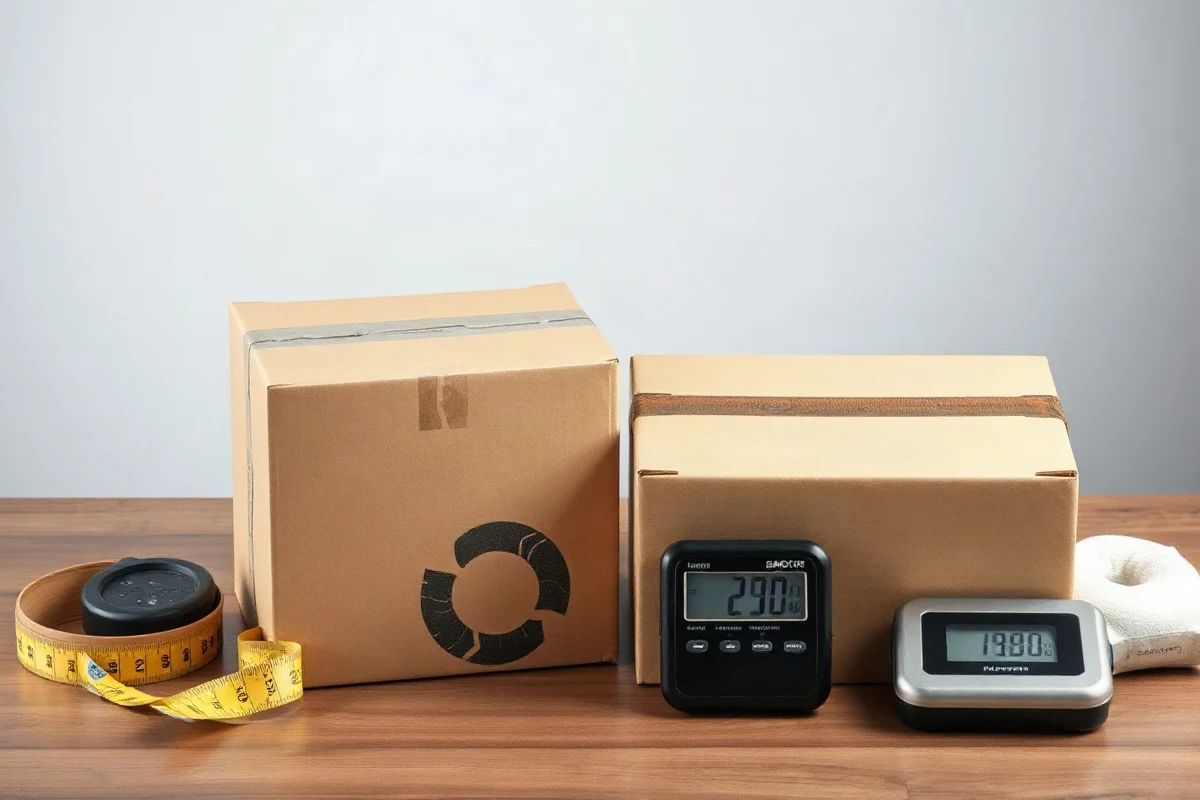
A smaller box can reduce shipping costs, but only when it lowers dimensional weight, avoids surcharges, or uses less packaging without risking damage.
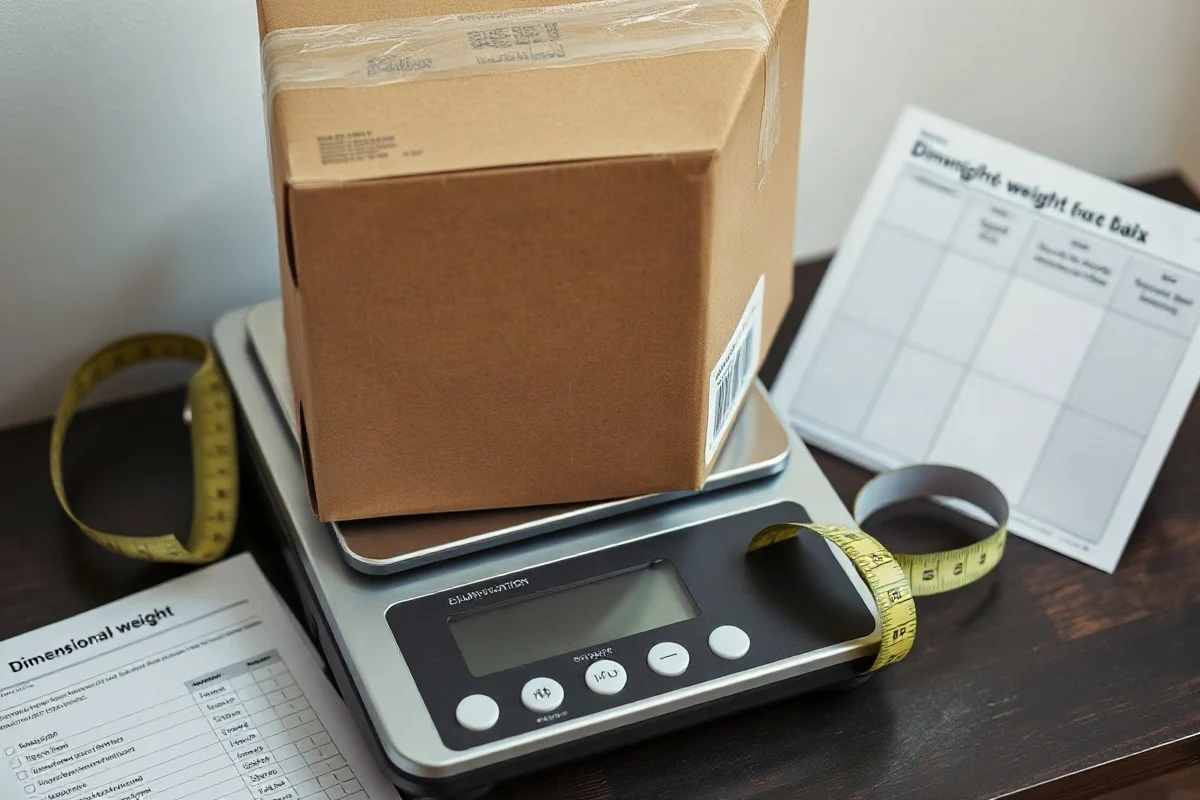
When dimensional weight exceeds a package’s actual weight, the carrier may price the shipment using the higher dimensional figure. Learn how DIM weight works, how to measure your box, and how to reduce avoidable shipping costs.
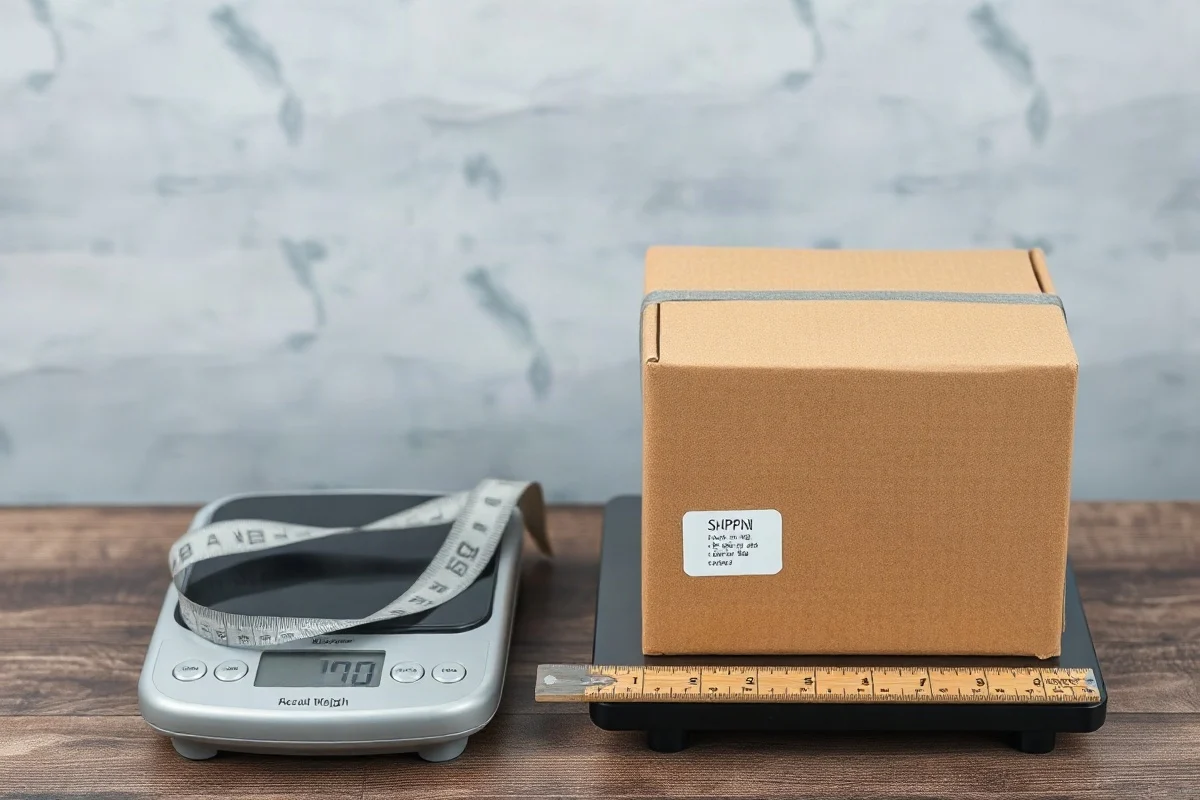
Learn how actual weight and dimensional weight differ, how carriers calculate billable weight, and how to measure and pack shipments more efficiently.
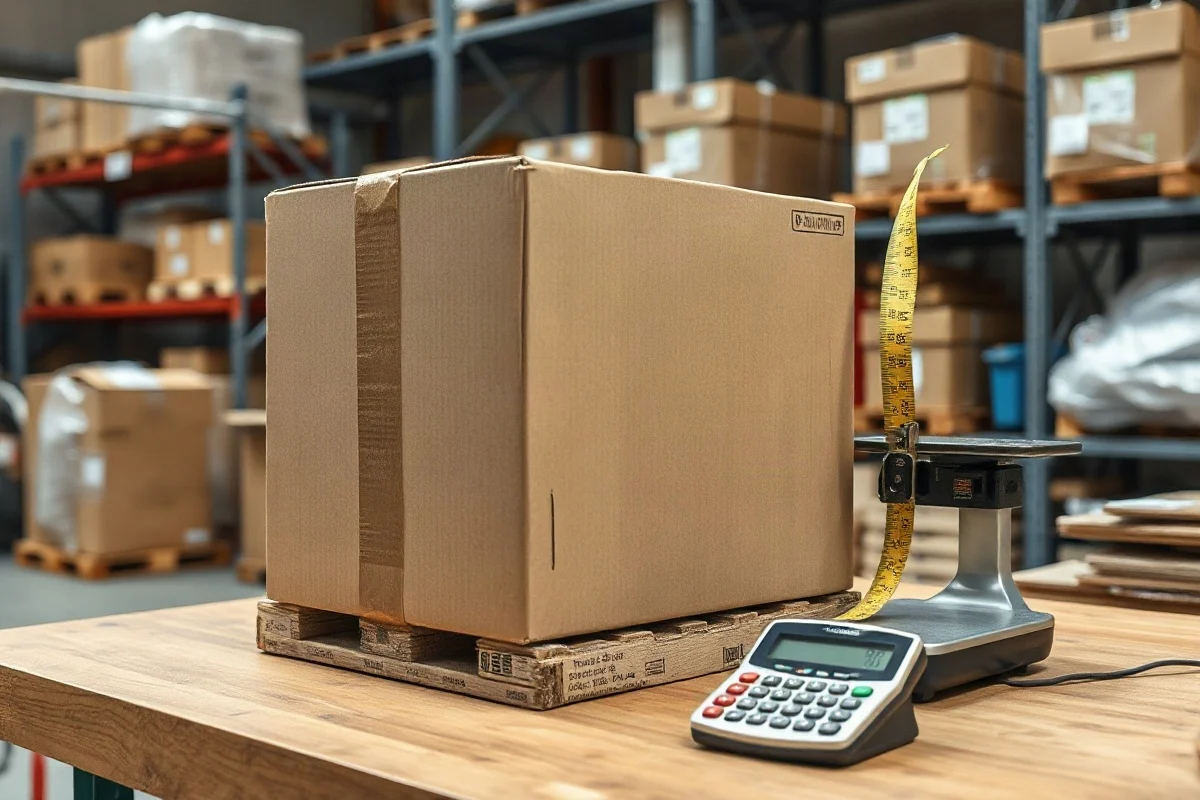
Learn how to calculate dimensional weight correctly, avoid measurement and unit errors, and reduce unexpected shipping charges caused by oversized packaging.
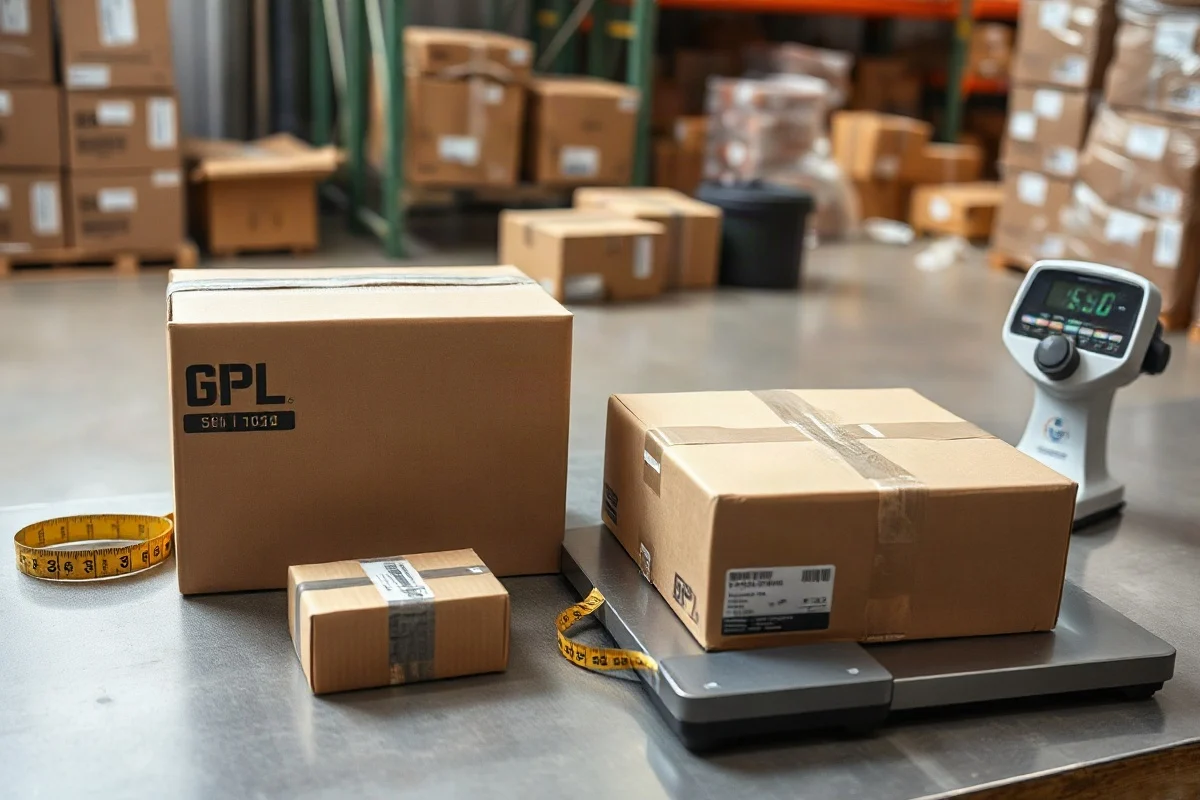
Empty space can increase dimensional weight, packaging costs, and damage risk. Learn how to measure your box, estimate the impact, and reduce wasted volume.
A dimensional weight divisor converts a package’s cubic size into a billable weight. Learn the formula, how to measure a box, and how to avoid costly shipping surprises.
A package can be light on the scale but expensive to ship when its size creates a high dimensional weight. Learn how carriers calculate billable weight and how to reduce avoidable charges.
Dimensional weight may apply when a package takes up more space than its actual weight suggests. Learn how carriers calculate it, when it replaces scale weight, and how to reduce unexpected shipping charges.
A larger box can raise your shipping cost even when the package is light. Learn how dimensional weight works, how to measure a box, and how to reduce wasted space.
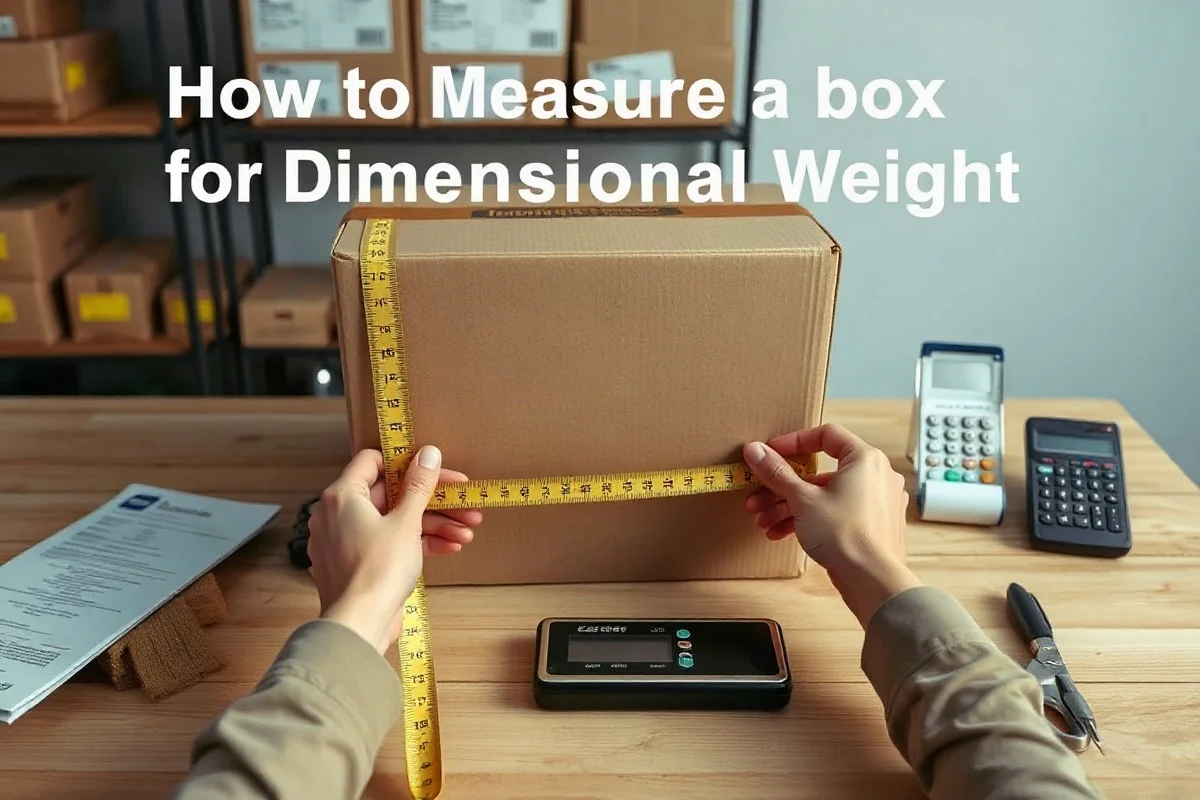
Learn how to measure a shipping box correctly, calculate dimensional weight, avoid common errors, and reduce unexpected shipping charges.