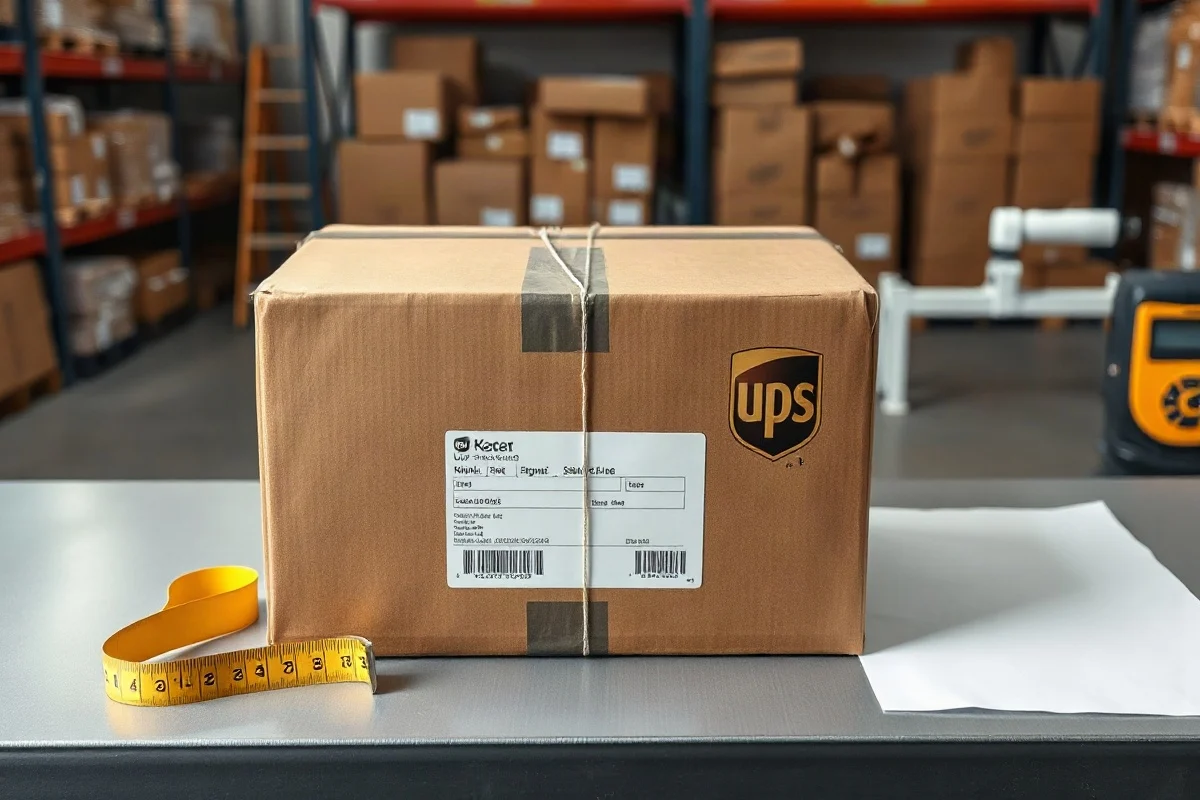
Use UPS Simple Rate when you are shipping a domestic package that fits an eligible UPS Simple Rate size tier and you value predictable pricing more than exact weight-based pricing. It can be especially useful for compact, moderately heavy packages, repeat shipments, and orders whose final shipping cost would otherwise be difficult to estimate. Before choosing it, confirm the current UPS requirements for service, destination, package type, size, weight, and price because availability and terms can change.
What UPS Simple Rate is designed to do
Traditional parcel pricing can depend on several details at once: the origin and destination, service speed, package weight, package dimensions, residential or commercial delivery, and any applicable surcharges. Dimensional weight may also affect the billable weight when a package takes up more space than its actual weight suggests.
UPS Simple Rate is intended to simplify part of that process. Instead of calculating a separate transportation charge for every possible package weight, the program groups eligible packages into size categories. The price is then based on the selected Simple Rate tier and other program conditions rather than on the exact weight alone.
That does not mean every box can ship for one universal price. The current UPS rate structure may vary by service level, destination zone, packaging requirements, accessorial charges, and the account or sales channel used to purchase the label. Treat Simple Rate as a pricing option with specific eligibility rules, not as a replacement for checking a complete quote.
When UPS Simple Rate makes sense
1. Your package fits neatly into a size tier
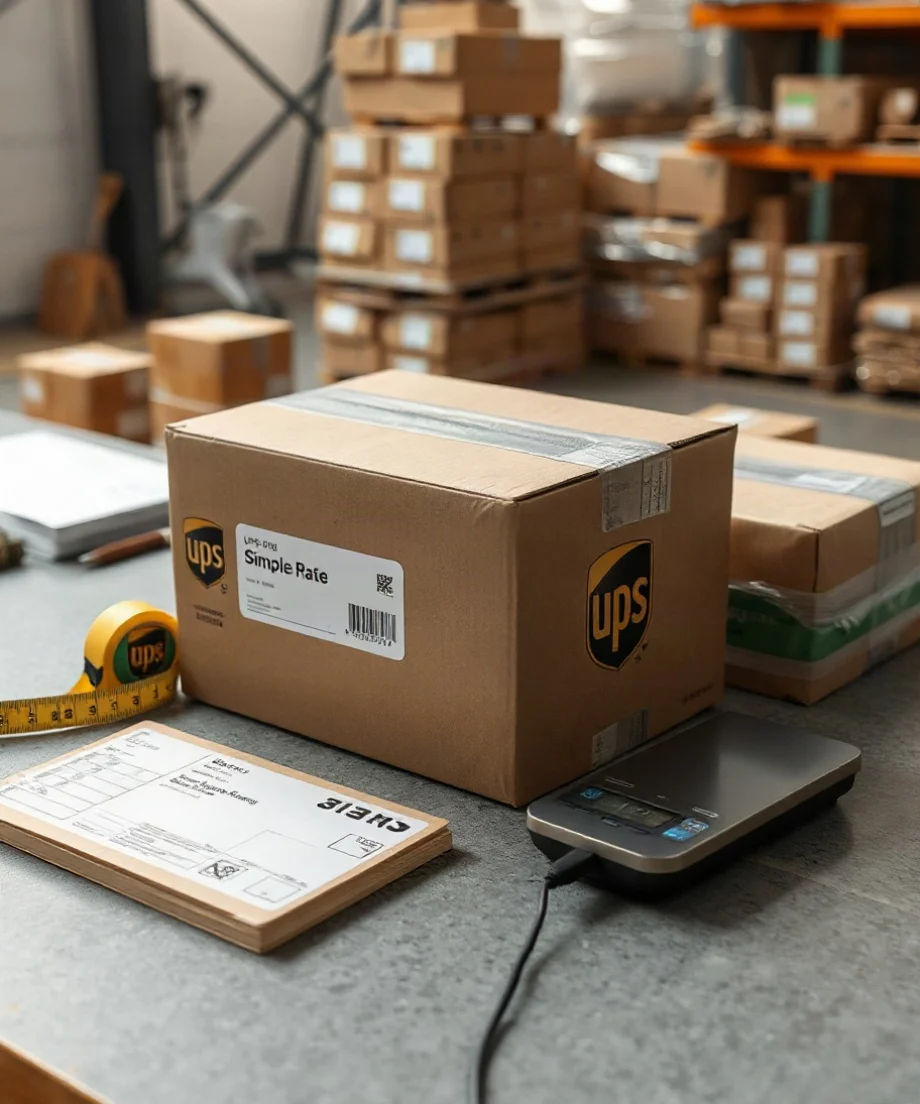
The strongest case for Simple Rate is a package that fits comfortably within an eligible size category without excessive empty space. If your product and protective materials fit in a small or medium box, a size-based rate can be easier to forecast than a standard rate that changes with weight and destination.
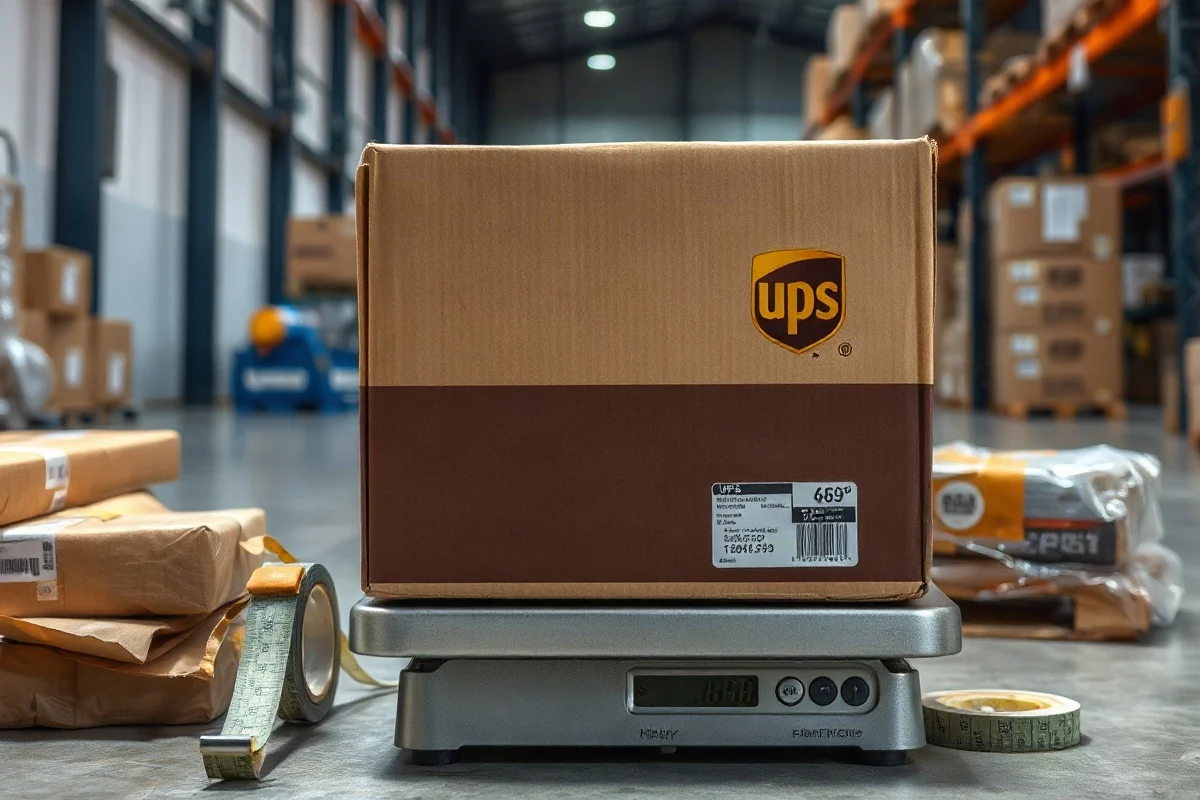
Measure the finished package, not the product by itself. Include the outside length, width, and height after the carton is closed and taped. A box that appears to fit before padding is added may move into a different category after it is packed.
2. The package is relatively heavy for its size
Simple Rate may be attractive when the contents are dense. Examples include books, tools, hardware, canned goods, small appliances, and other products that weigh more than their external volume suggests. With ordinary rating, these shipments may become expensive as actual weight increases. A size-tier structure can make the cost more predictable, subject to the program's current limits and conditions.
Do not assume that a heavy package automatically benefits. Compare the Simple Rate quote with a standard UPS quote for the same service and destination. A light package may receive a lower price under ordinary rating, especially when it occupies very little space.
3. You ship similar orders repeatedly
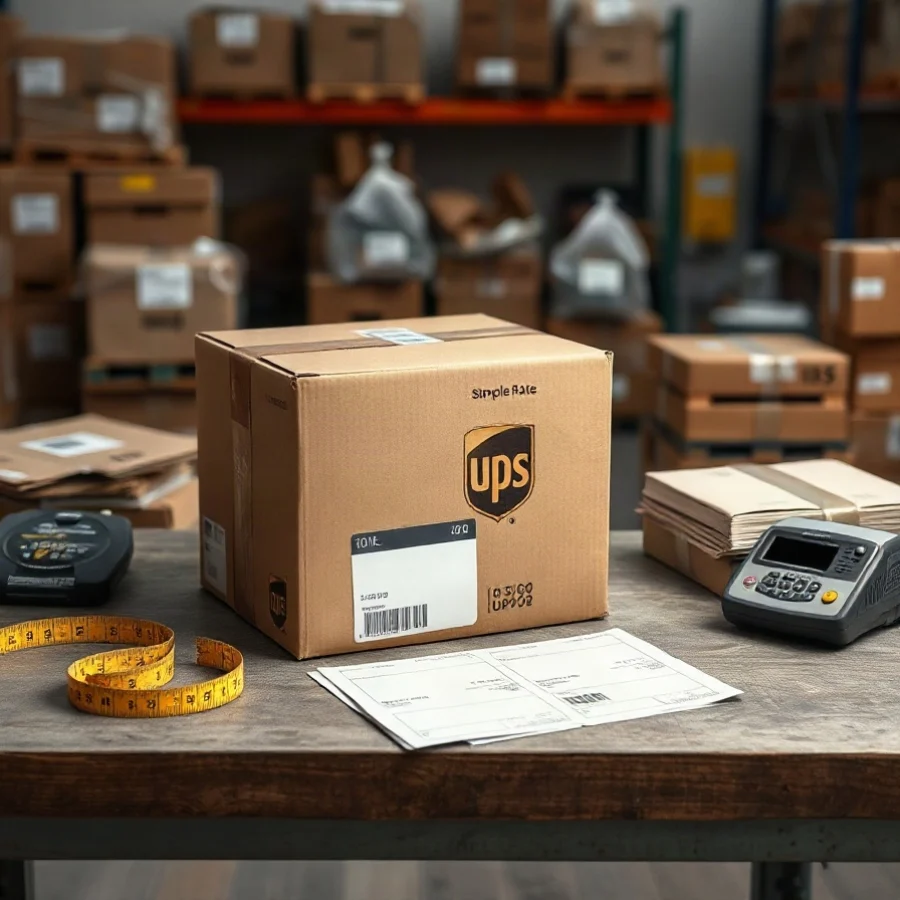
Businesses that use a small number of repeatable carton sizes can benefit from simpler shipping workflows. Once you have tested a product, packaging materials, and finished dimensions, you can assign an appropriate rate tier to that shipment profile. This can help with checkout estimates, warehouse instructions, and shipping-budget planning.
Keep a record of the actual packed dimensions and weight for each standard box. Packaging changes, new inserts, thicker tape, or a different product bundle can change the result. Review the setup whenever you change carton suppliers or update the products inside.
4. You need a straightforward customer estimate
Simple Rate can be useful when customers need a clear shipping estimate before an order is packed. A seller may be able to build estimates around a few tested package profiles rather than calculate a unique rate for every possible weight. However, the estimate should still account for the destination, selected service, and any charges that are not included in the advertised Simple Rate price.
How to measure a package before selecting a tier
Use the outside dimensions of the sealed carton. Place the box on a flat surface and measure the longest side as length. Measure the shorter side across the front as width, and measure from the bottom to the top as height. Record each measurement in inches and use the same units throughout your comparison.
Measure at the widest or tallest point if the package bulges. Do not compress soft packaging just to make the box appear smaller. A carrier may measure the package as tendered, and a difference of even a small amount can matter when a package is close to a tier boundary.
For irregular packages, first ask whether the package is eligible for the specific Simple Rate option. Carriers can apply different rules to cartons, tubes, soft packs, oversized pieces, and other nonstandard packaging. A package that cannot be classified under the current UPS program may need ordinary rating instead.
Simple Rate size tiers versus dimensional weight
Dimensional weight is a way of pricing space in a carrier's network. A common calculation has this general form:
Dimensional weight = length × width × height ÷ the carrier's current dimensional divisor
The divisor and the conditions for applying dimensional weight can vary by carrier, service, destination, and date. Do not insert a remembered divisor into a quote without checking the current UPS rules. You can use the dimensional weight calculator to organize the measurements, then confirm the result against the current UPS rate information.
Simple Rate and dimensional weight address related but different questions. Simple Rate asks whether an eligible package fits a defined size category. Standard rating may compare actual weight with dimensional weight and charge based on the applicable billable weight. A large, light box can therefore be a poor candidate for standard pricing, while a compact, dense box may be a better candidate for a size-based option.
A practical comparison example
Imagine a seller shipping a tightly packed kitchen accessory in a finished carton measuring 12 by 10 by 8 inches. The contents are dense, and several customers live in different parts of the United States. The seller should not choose Simple Rate solely because the carton is small. Instead, the seller should:
- Confirm that the selected UPS service currently supports Simple Rate for the shipment.
- Check the current eligible size category and maximum weight.
- Measure the sealed carton, including protective material.
- Compare the Simple Rate quote with the ordinary UPS quote for representative destinations.
- Check whether additional charges or destination restrictions could change the final amount.
If the Simple Rate price remains competitive across the seller's common destinations, it may be a good default for that product. If ordinary pricing is consistently lower for nearby customers, the seller could use different shipping logic by destination or offer Simple Rate only for certain orders.
When UPS Simple Rate may not be the best choice
Very light packages
A small, lightweight shipment may cost less under regular package pricing. Compare both methods instead of assuming that a flat or size-tier price is automatically economical.
Large or irregular packages
Packages near the maximum permitted dimensions, packages with unusual shapes, and cartons with significant empty space deserve extra caution. They may not qualify, or they may create additional handling and pricing issues. Repackaging the contents into a smaller carton may be more effective than selecting a different rate option.
International shipments or special destinations
Do not transfer domestic Simple Rate assumptions to international shipments, territories, remote locations, military addresses, or other destinations. Eligibility and charges can differ substantially. Verify the current UPS service terms for the exact origin, destination, and shipment type.
Shipments with special handling needs
Hazardous materials, temperature-sensitive products, unusually fragile items, and packages requiring special handling may have separate requirements. A size-based rate does not remove packaging, labeling, documentation, or acceptance rules. Check the applicable UPS guidance before preparing the label.
How to pack for a reliable Simple Rate comparison
- Choose the smallest safe carton. Reduce empty space without crushing the product or weakening the package.
- Add protective material consistently. Use the same insert, padding, and closure method when testing repeat shipments.
- Close the box before measuring. Record the final outside dimensions and actual scale weight.
- Check the carton condition. A damaged, overfilled, or bulging box may not behave like the sample used for your rate setup.
- Compare complete quotes. Look beyond the headline transportation price and review the final amount shown for the shipment.
A box size calculator can help you compare carton dimensions before you order packaging in bulk. For broader packing guidance, review the current information in the UPS package guide.
How to decide quickly
UPS Simple Rate is worth testing when your package is compact, dense, repeatable, and clearly within an eligible tier. It is less compelling when the shipment is very light, oversized, irregular, international, or close to a size or weight boundary. In all cases, compare the current Simple Rate quote with the regular UPS price for the same service and destination.
Because carrier programs can change, use the current UPS rate tool and official terms when you are ready to buy a label. Confirm the latest size categories, weight restrictions, service availability, destination coverage, packaging requirements, and possible additional charges. A carefully measured package and a side-by-side quote are more reliable than a general rule about which pricing method is cheaper.

Comments
0No comments yet. Be the first to share a helpful note or question.
Leave a Comment
Your email address will not be published. Comments are reviewed before appearing on the site.