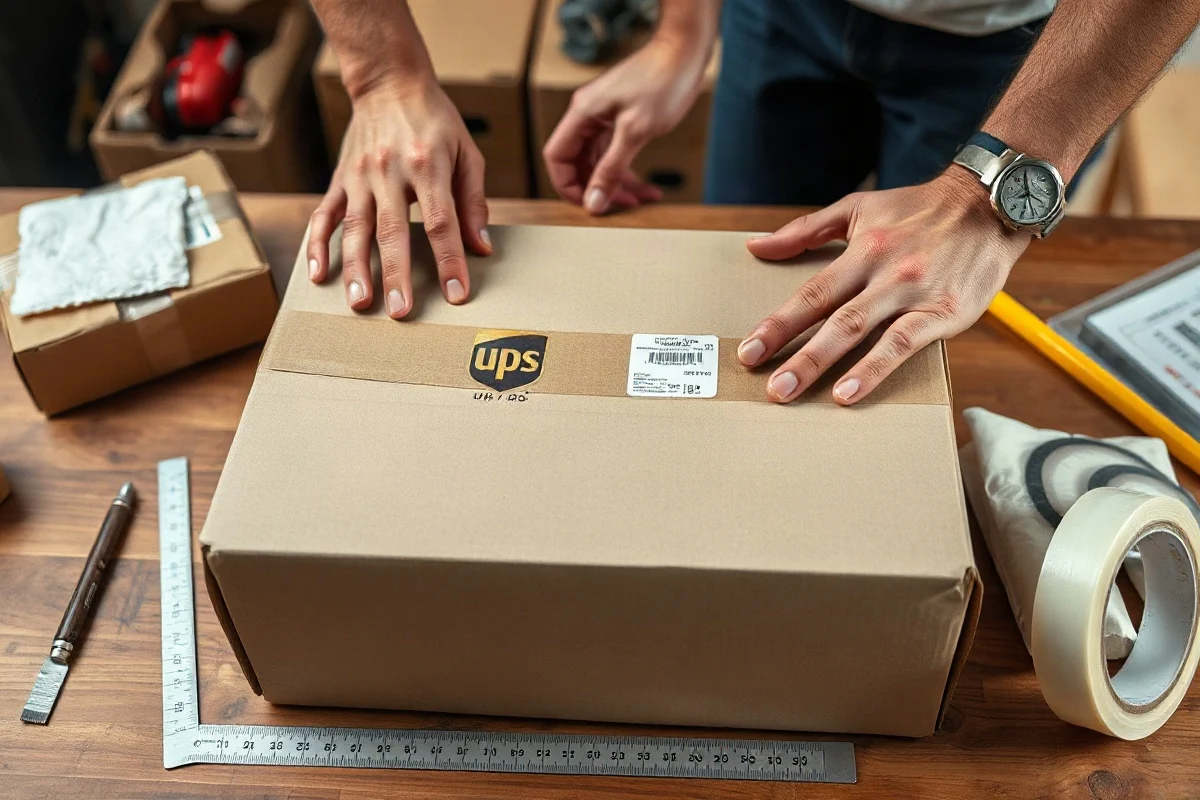
Yes, you can usually reuse an old box for UPS shipping, as long as the box is sturdy, clean, dry, properly sized, and safe for the item inside. Before using it, remove or cover old shipping labels and barcodes, check every seam and corner, and make sure the box can withstand handling. A reused box that is crushed, weakened by moisture, or covered with conflicting markings may create delivery problems or leave the contents poorly protected.
When an old box is suitable for UPS shipping
A box does not have to be brand-new to ship with UPS. The important question is whether it still provides enough structural protection for the package’s weight, contents, and expected handling. A lightly used corrugated carton can work well for clothing, books, household items, and many other products when it remains firm and intact.
Choose a different box if the old carton has any of these problems:
- Large dents, crushed corners, punctures, or tears
- Water stains, mold, oil, chemical residue, or a musty smell
- Soft, buckled, or delaminated cardboard
- Seams that are separating or no longer hold tape securely
- Excessive writing, old labels, or markings that could confuse scanning and routing
- Too much empty space for the item, even after adding suitable cushioning
- A construction that is too light for the item’s weight
If you can easily bend the box, push through a weak panel, or pull apart a taped seam, it is not a good shipping carton. The cost of a replacement box is usually small compared with the risk of damaged merchandise.
Inspect the box before packing
Start by opening the box carefully so you do not create new cuts or tears. Flattened cartons should be re-formed along their original fold lines rather than forced into a different shape. Examine the inside as well as the outside. Cardboard can look acceptable from the outside while being weakened around the bottom flaps or corners.
Check the bottom and side seams
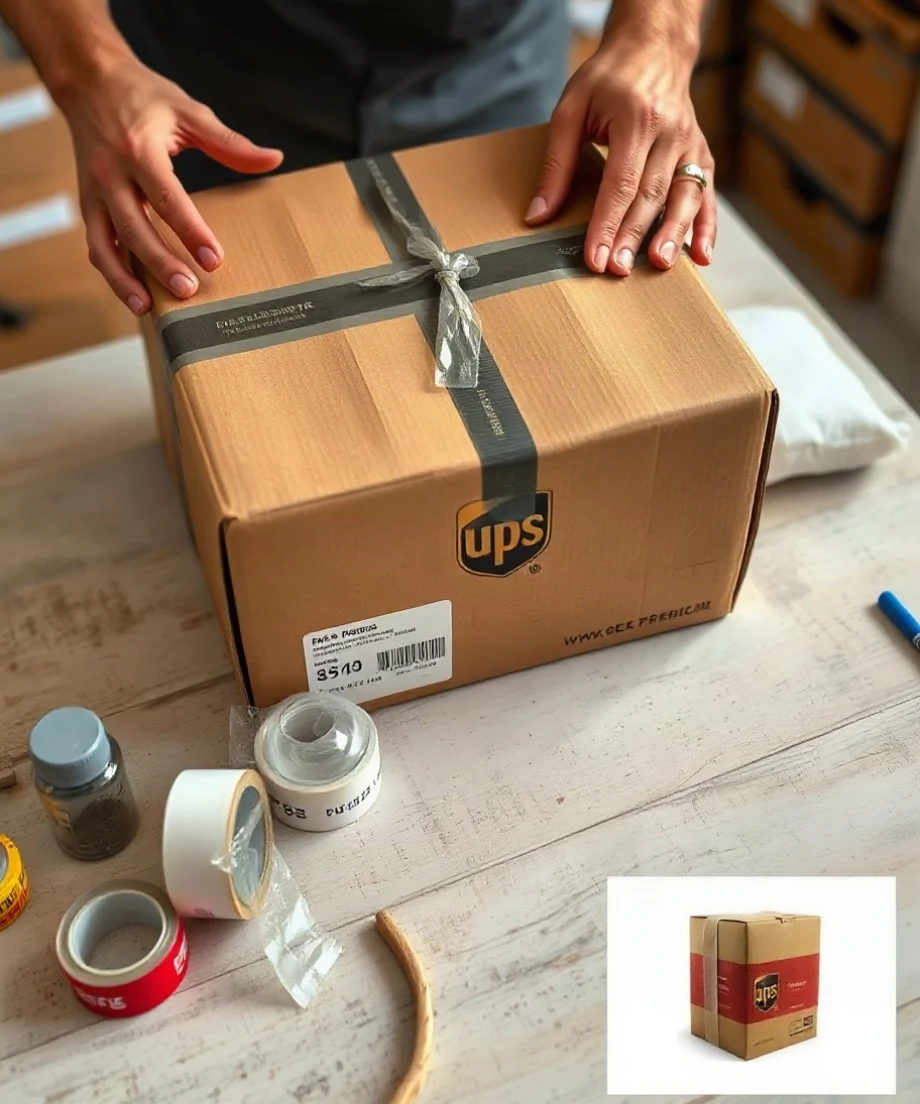
The bottom of a reused box deserves special attention because it carries the full weight of the shipment. Press gently on the bottom panel and inspect the flaps for separation. Look for old tape that has lost its grip, especially if the box was stored in a warm or humid place.
Close the bottom with strong packing tape intended for shipping. Apply tape across the center seam and extend it far enough onto the surrounding flaps to hold the closure securely. For a heavier item, reinforce the bottom with additional strips or use a stronger box rather than relying only on extra tape. Do not assume that more tape can compensate for cardboard that has lost its strength.
Remove old labels and barcodes
Old shipping labels, tracking barcodes, return labels, and hazardous-material markings should not remain visible if they do not apply to the new shipment. Remove them completely when possible. If a label cannot be removed without damaging the carton, cover it fully with an opaque label or plain paper and secure the covering so it cannot come loose.
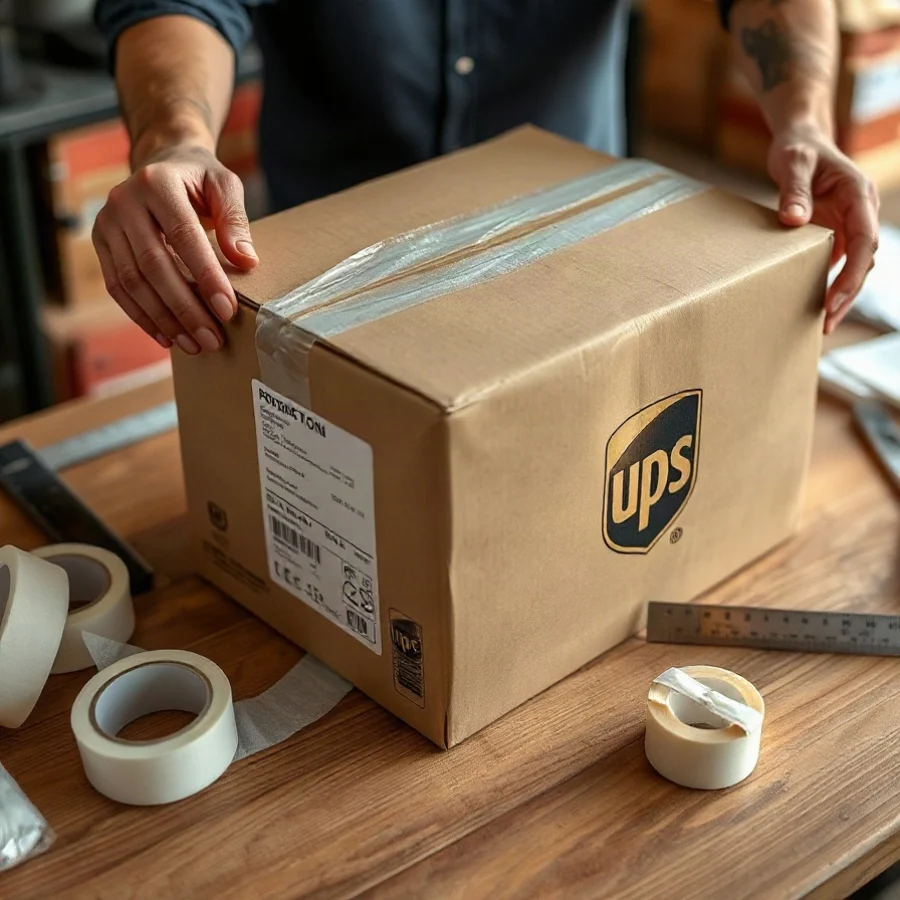
Do not cover the new address label with tape that makes the barcode difficult to scan. Place the current label on a flat, easy-to-read surface, and avoid wrapping it across an edge, seam, or corner. If you are printing a label through a shipping platform, follow that platform’s placement instructions and keep the old routing information hidden.
Measure the reused box correctly
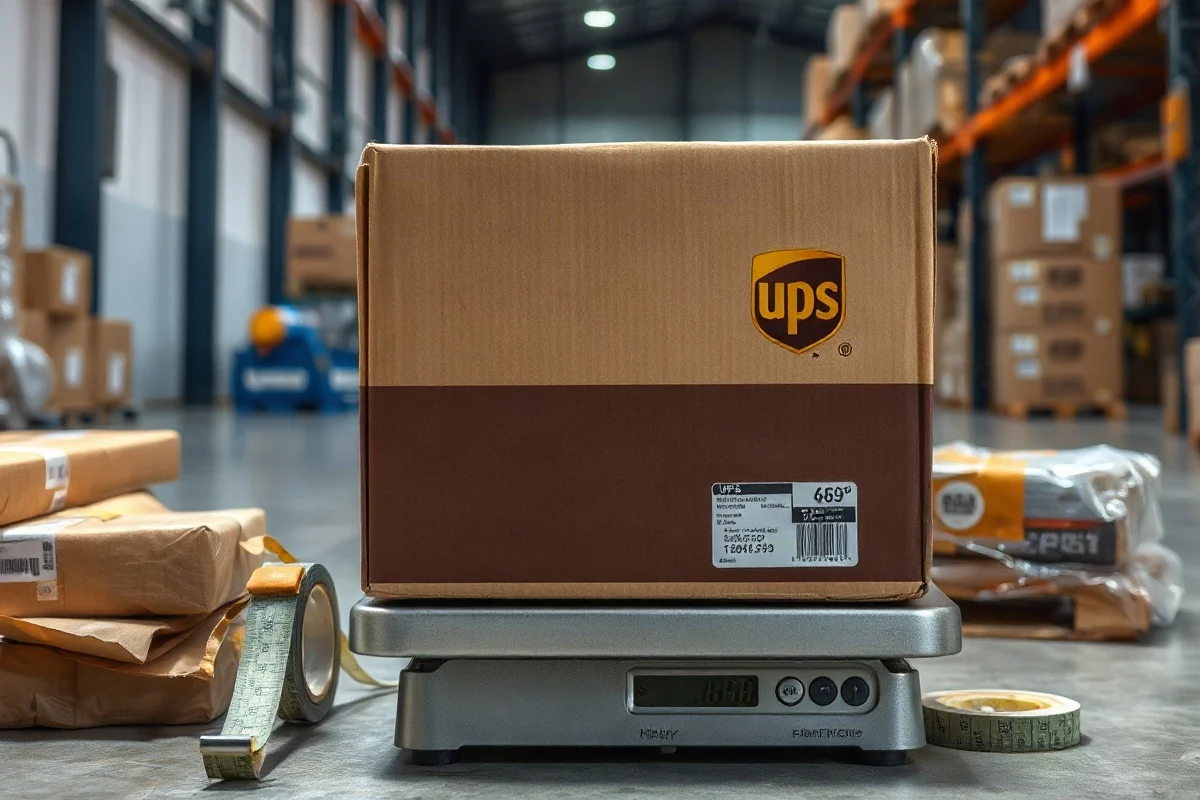
Measure the box after it has been assembled, with the flaps closed, and before you buy the shipping label. Use a ruler or tape measure and record the outside dimensions in inches. For most rectangular packages, identify the longest side as the length. The other two sides are the width and height.
Measure from the package’s outermost points, including small bulges caused by overpacking. If the carton bows outward, the usable dimensions may be larger than the flat panel measurements. Round measurements according to the instructions used by your carrier, shipping software, or rate calculator. Since measurement and rounding practices can affect billing, check the current UPS guidance or the rules of the service you are purchasing.
For a practical size check, place the item inside the open box with its intended cushioning. Then close the flaps without forcing them. Measure the resulting package rather than measuring an empty carton that may change shape after packing.
Account for dimensional weight
A large, lightweight box may be rated by dimensional weight instead of its actual scale weight. Dimensional-weight calculations generally use the package’s length, width, and height, along with a divisor set by the carrier and service. The divisor, rounding method, and billing rules can change by service, destination, account, or date, so do not rely on an old number printed in a guide or remembered from a previous shipment.
The basic volume calculation is:
Length × width × height = cubic inches
A carrier-specific dimensional-weight calculation then uses that cubic-inch result. Use the divisor shown by UPS or your shipping platform for the exact service, and compare the result with the package’s actual weight when the applicable rules require it. You can also use the dimensional weight calculator to estimate the effect of package size, but verify the final billable-weight rules with the current official source before purchasing the label.
Reusing a box can save money, but a box that is unnecessarily large may increase shipping cost. If the item moves inside the carton, reduce the empty space with appropriate cushioning or select a smaller, sound box. Do not compress fragile products just to make the package smaller.
Pack the contents so they cannot shift
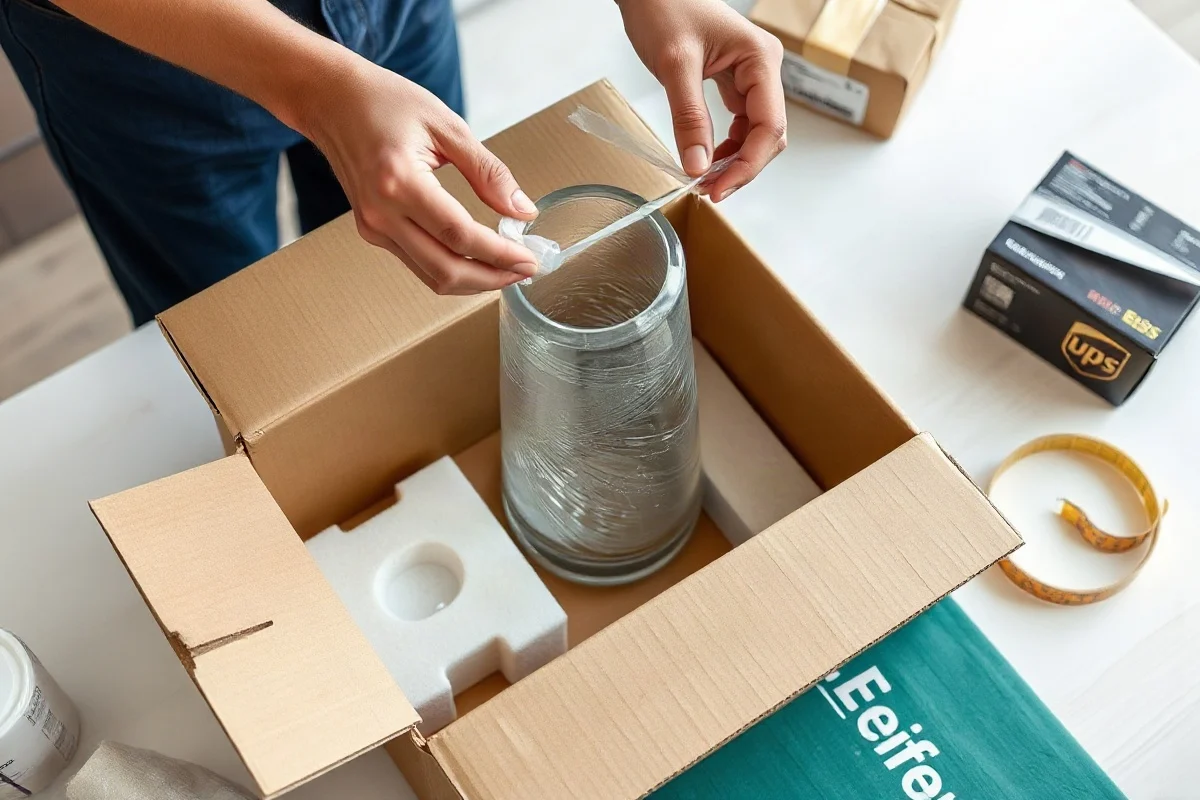
Wrap individual items when they can scratch, break, or rub against one another. Use cushioning around the item and place extra protection near corners and edges when those areas are vulnerable. The contents should not touch the outer walls of the carton if they could be damaged by impact or compression.
After placing the item inside, gently shake the box. If the contents move, open it and add or reposition cushioning. Avoid filling every gap with materials that compress immediately under pressure. The goal is to keep the item centered and protected without forcing the box flaps upward.
For multiple items, separate pieces that could collide during transit. Heavy items should be positioned so they do not crush lighter items. Use an inner container when the product could leak, shed small parts, or damage the outer carton. Liquids need special attention because a leak can harm the shipment and nearby packages; follow the current UPS requirements and any applicable regulations for the specific substance.
Use appropriate closure tape
Close the top using durable packing tape rather than household cellophane tape, masking tape, or decorative gift-wrap tape. Seal the main center seam and reinforce the flap edges when needed. Keep the closure flat so it does not interfere with the shipping label or automated handling.
Do not tie the carton with string, rope, or twine as a substitute for a proper closure. External straps or unusual wrapping can catch on equipment and may not provide reliable protection. If the box requires extensive repair to stay closed, replace it.
Check UPS requirements before buying the label
UPS requirements can vary according to the service, destination, package type, contents, and current pricing or handling rules. Size and weight limits, additional handling conditions, surcharges, prohibited items, and packaging instructions may also change. Review the current UPS information for the service you plan to use before shipping, especially if the package is unusually large, heavy, fragile, valuable, or irregularly shaped.
Be particularly careful when reusing a box that previously held a product with special handling requirements. Remove outdated hazard labels and markings only when they do not apply, but do not hide a marking that is legally required for the new contents. For regulated or restricted materials, use the current official UPS and government guidance rather than a general packing checklist.
For more package-dimension guidance, see the UPS Package Guide. If you are comparing carton sizes before packing, the Box Size Calculator can help estimate the space needed around an item.
A final inspection checklist
Before handing over the package, confirm each of the following:
- The box is dry, clean, rigid, and free of major damage.
- The bottom and top seams are securely sealed with shipping tape.
- The contents are cushioned and do not move when the box is gently shaken.
- The package is not bulging, overfilled, or difficult to close.
- Old labels, barcodes, addresses, and unrelated markings are removed or completely covered.
- The new label is attached to one flat surface and remains easy to scan.
- The outside dimensions and weight are based on the completed package.
- The selected UPS service accepts the package’s size, weight, contents, and destination.
- Any dimensional-weight, surcharge, or special-handling information has been checked using current details.
A reused box is a practical choice when its structure is still reliable and its size matches the shipment. Inspect it honestly, reinforce the closure, protect the contents from movement, and verify current UPS requirements before payment. If the carton is weak or oversized, a new, better-fitting box is the safer and potentially less expensive option.
Comments
0No comments yet. Be the first to share a helpful note or question.
Leave a Comment
Your email address will not be published. Comments are reviewed before appearing on the site.