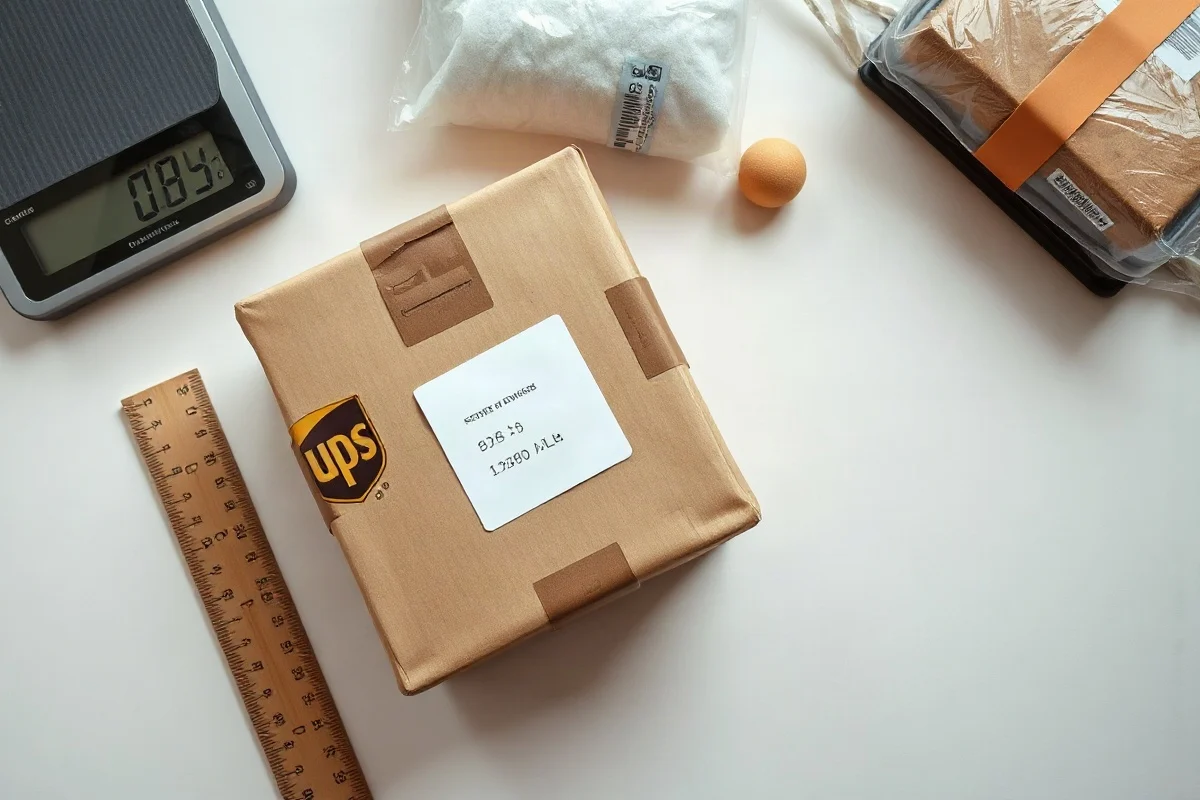
UPS does not generally use one universal minimum package size for every shipment. A very small package may be acceptable, but it still needs secure packaging, a readable shipping label, and compliance with the rules for the selected UPS service and destination. Because requirements can vary by service, package type, origin, destination, and date, check the current UPS guidelines before sending an unusually small parcel.
In practice, the main issue is often not whether a box is technically too small. It is whether the package can travel safely through sorting equipment and still carry a label that remains attached and readable. A tiny item placed in a tiny envelope may be difficult to protect, identify, or process. Using a slightly larger, rigid package can reduce those risks even when the item itself is small.
What “minimum size” can mean for a UPS shipment
When people ask about a UPS minimum package size, they may be referring to several different requirements:
- Physical package size: The length, width, and height of the parcel.
- Label space: The area needed for the shipping label, barcodes, and handling information.
- Packaging performance: Whether the package protects the contents during handling.
- Service eligibility: Whether the selected UPS service accepts the package type and size.
- Billing treatment: Whether the shipment is charged by actual weight, dimensional weight, or another applicable rule.
These questions are related but not identical. A package can be physically small enough to handle while still being unsuitable because the label will not fit. Conversely, a larger package may be easy to label but cost more because of its size or packing materials.
Why very small packages can cause problems
Labels need a stable, readable surface
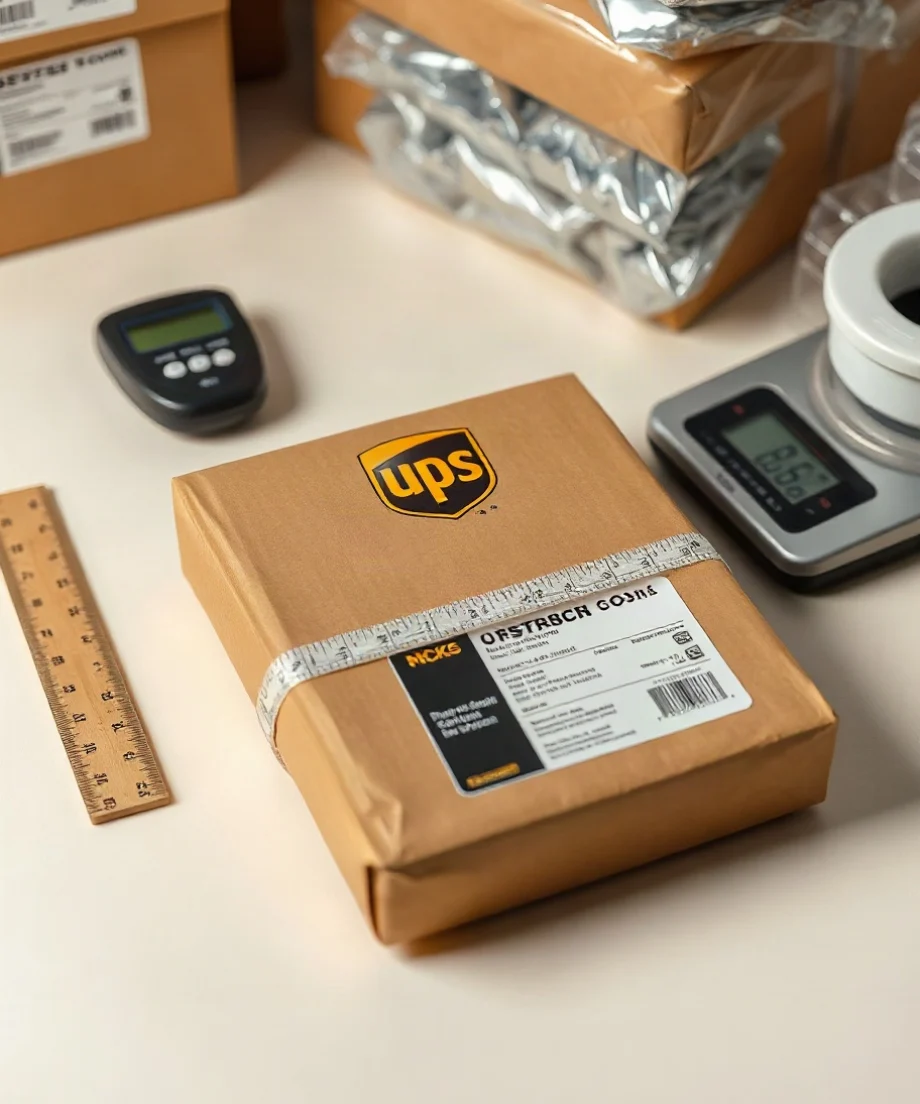
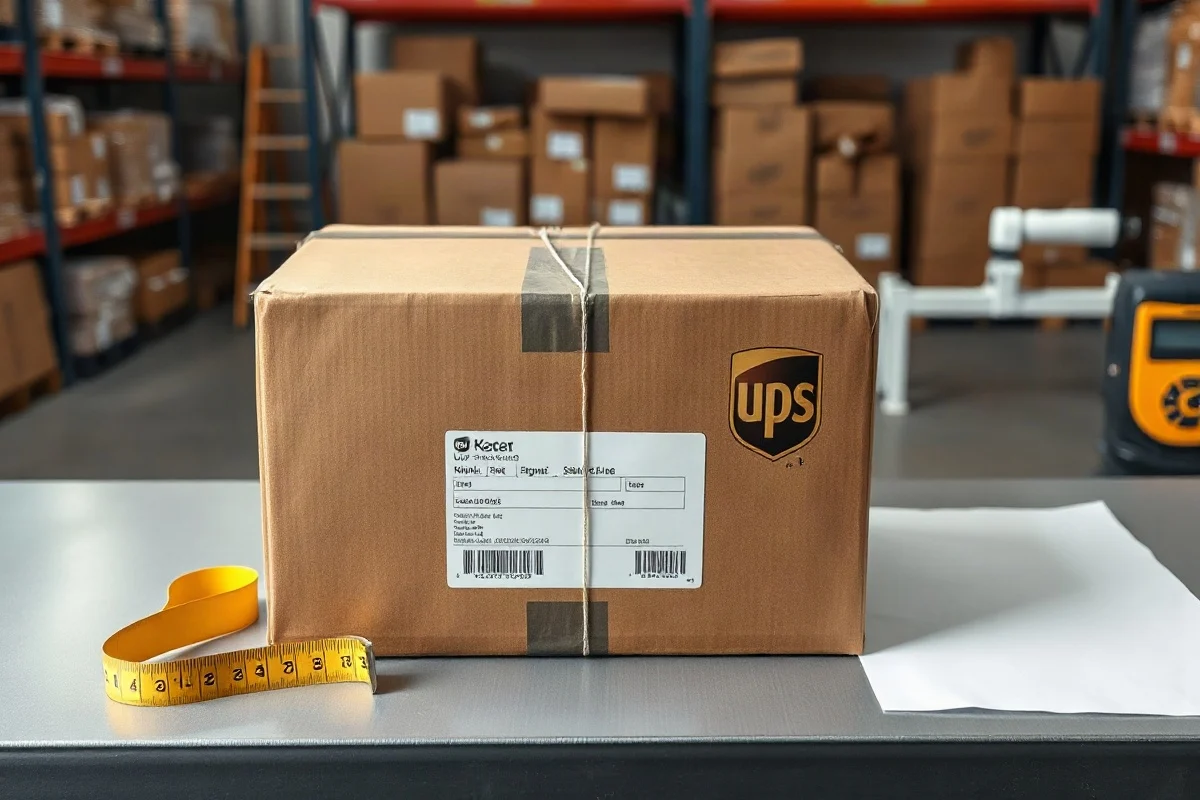
A shipping label should be placed on a flat exterior surface where it will not wrap around an edge, wrinkle, tear, or become covered by tape. Barcodes need to remain scannable. On a very small box, there may not be enough uninterrupted space for the label, or the label may extend over multiple sides.
If the package is too small for the label supplied by the shipping system, do not fold the barcode across a corner. Instead, ask the carrier or shipping platform whether a smaller label format is available, or place the small item inside a larger protective package. The exact label requirements can depend on the label format and shipping method.
Small items can be lost inside handling systems
A loose, lightweight item is more vulnerable to damage and separation from its documentation. A small piece of jewelry, replacement part, sample, or accessory should not be sent loose in an oversized box. It should be secured in an inner container, padded as needed, and then placed in an appropriately sized outer package.
Do not assume that a padded mailer is automatically suitable for every small item. A mailer may work for flexible, non-fragile contents, while a rigid box may be better for items that can bend, crack, or be crushed. The package should match the contents, not just the item’s dimensions.
Packaging may need room for protection
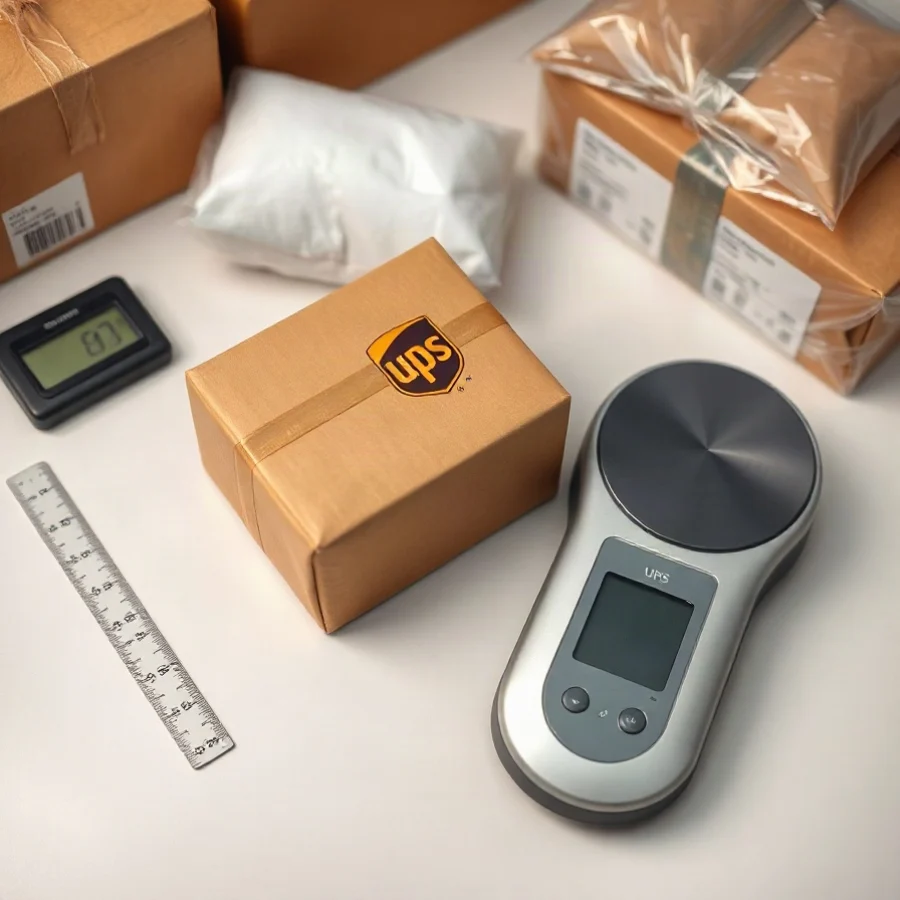
Measure the packed shipment, not only the product. A product that measures 2 by 2 by 1 inches may require an inner sleeve, cushioning, and an outer box. The final shipping dimensions could be substantially larger than the product dimensions.
As a basic packing sequence, place the product in a suitable inner container, add enough cushioning to limit movement, choose an outer package with minimal unused space, and close all seams securely. After sealing, gently shake the package. If the contents move noticeably, add or adjust the cushioning rather than relying on the label or outer carton to hold everything in place.
How to measure a small UPS package
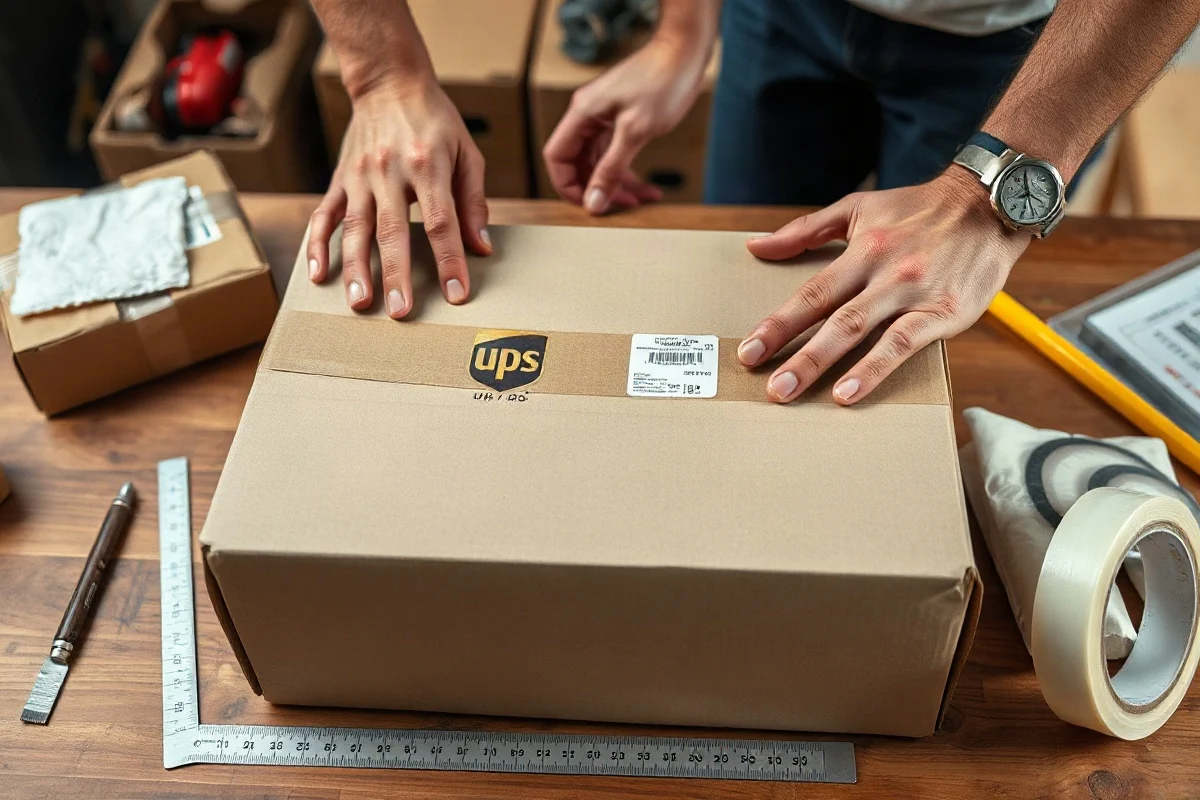
Use the outside dimensions of the sealed package. Measure the longest side as the length, the next longest side as the width, and the remaining side as the height. Record the measurements in the unit required by the shipping tool or service.
For a rectangular box, the basic dimensional measurement is:
Length × width × height
If the box has bulges, uneven sides, or protruding packaging, measure the greatest usable outside dimensions. Do not measure only the empty box before adding tape and cushioning. A few extra fractions of an inch can affect a rate calculation or whether the package fits a service’s published limits.
For more guidance on measuring the packed parcel, see this package dimensions guide. You can also use the Box Size Calculator when selecting an outer box for a product and its protective materials.
Small package limits and UPS service rules
UPS services do not necessarily use identical rules. Requirements may differ among domestic and international shipments, ground and air services, parcels and envelopes, and standard and specialized shipping products. Some destinations or shipment types may also have special handling requirements.
For that reason, avoid applying a size rule from one UPS service to every UPS shipment. Review the current UPS packaging and service documentation for the service you plan to use. When purchasing a label through a marketplace, shipping software, or third-party account, compare that system’s requirements with the current UPS information as well.
A carrier counter or pickup location may also have operational instructions for packages that are unusually small, irregularly shaped, or difficult to label. If you are shipping a valuable or fragile small item, confirm the acceptable packaging format before handing it over.
Does a small package avoid dimensional weight?
Usually, a genuinely small package is less likely to create a dimensional-weight problem, but size can still affect the billable weight. Dimensional weight is based on the space a package occupies rather than only its scale weight. The exact formula, divisor, rounding method, and thresholds can vary by carrier, service, shipment type, and current pricing rules.
The general structure is:
Dimensional weight = length × width × height ÷ applicable dimensional divisor
The result is then compared with the applicable actual weight under the carrier’s current rules. Do not insert a remembered divisor or rounding rule into a current quote without verifying it. For an estimate, enter the final packed dimensions in the Dimensional Weight Calculator, then confirm the result against the current UPS rate information for your shipment.
For very small parcels, the actual scale weight may be more relevant than dimensional weight. However, using a box much larger than necessary can increase the dimensional measurement even when the contents are light. Right-size the package without removing the protection the item needs.
Can you ship an item in a tiny envelope?
It depends on the item and the service. A flat, flexible, non-fragile item may be appropriate for an envelope or mailer if the packaging protects it and the label fits. A rigid, sharp, liquid, fragile, or valuable item may require a different package design.
Before using an envelope, check the following:
- Can the item move inside the envelope?
- Could the item puncture the exterior?
- Will moisture, bending, or compression damage the contents?
- Is there a flat area for the complete label?
- Does the selected UPS service allow this packaging format?
A padded mailer is not a substitute for structural protection when the contents can break or bend. For those items, use a rigid inner container or a small box, with cushioning that prevents movement without creating excessive empty space.
Best package sizes for very small items
There is no single best box size for every small product. The right package is the smallest practical package that leaves room for necessary protection and a readable label. A useful approach is to measure the item, add the required cushioning on all vulnerable sides, and then select the nearest suitable outer package.
For small products, consider a two-layer design:
- Inner protection: Use a sleeve, pouch, small carton, or other container to keep the item contained.
- Outer protection: Use a mailer or box that can survive normal handling and provides a stable surface for the label.
Avoid filling a large carton with excessive loose material simply because it is available. That can increase package dimensions, add weight, and allow the item to shift. At the same time, do not compress delicate products into a package that is barely large enough to close.
How to reduce problems before buying the label
Weigh and measure the sealed package before purchasing postage. Check all six sides for exposed product, weak seams, sharp projections, and labels from previous shipments. Remove or cover old barcodes and addresses so automated equipment does not read conflicting information.
Then verify that the label is fully visible and attached to one flat side. If the label is larger than the package face, choose a larger package or confirm whether the shipping system provides an approved alternative format. Do not cut off required information or place critical barcode sections over folds.
Finally, review the current UPS service terms, packaging guidance, and destination-specific restrictions. Carrier requirements and pricing can change, and a rule that applies to one UPS product may not apply to another. For broader comparisons of carrier packaging practices, browse the UPS Package Guide and compare it with the current official UPS source before shipping.
Key takeaway for small UPS shipments
The absence of one universal minimum size does not mean every tiny package is a good candidate for UPS. The practical test is whether the shipment is securely packed, has enough flat surface for a readable label, qualifies for the selected service, and can be measured accurately after sealing. When in doubt, use a modestly larger rigid package, protect the item from movement, and verify the current UPS requirements before sending it.
Comments
0No comments yet. Be the first to share a helpful note or question.
Leave a Comment
Your email address will not be published. Comments are reviewed before appearing on the site.