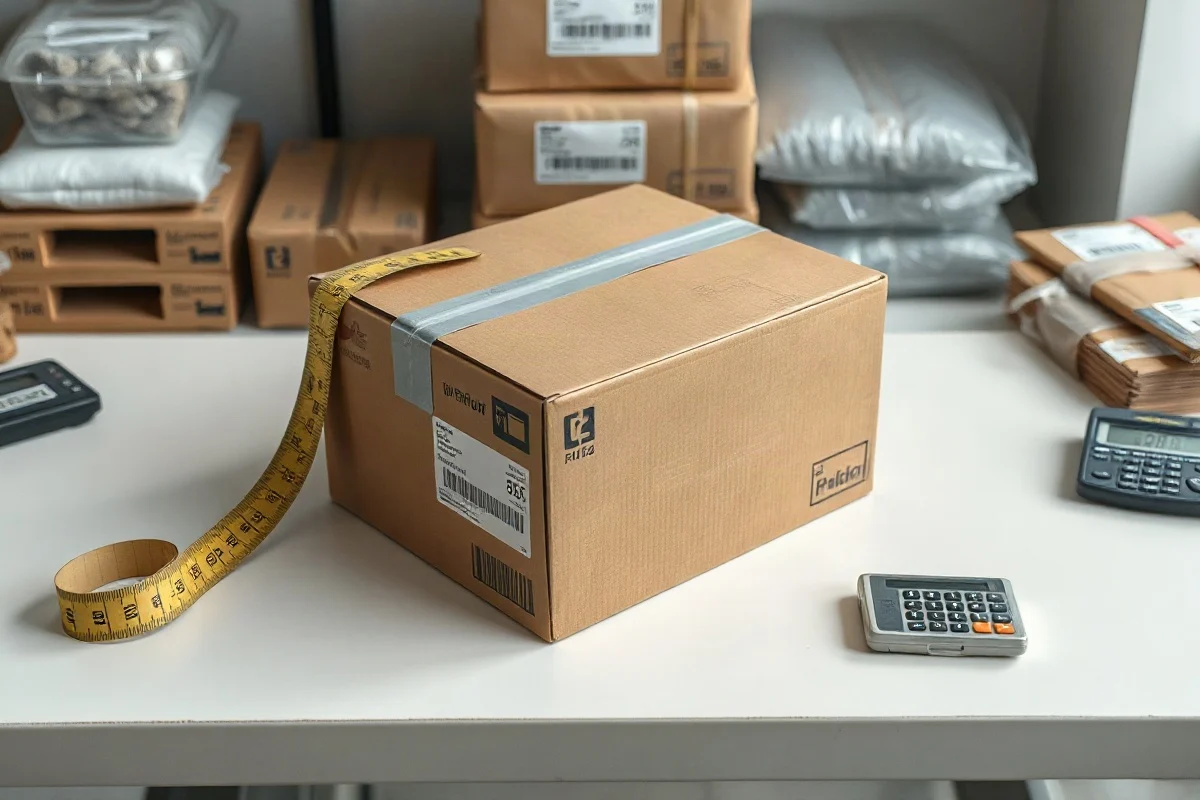
Dimensional weight, also called volumetric weight, is a billing method that estimates how much space a package occupies in a carrier’s transportation system. When a box is large relative to its actual weight, a carrier may charge based on dimensional weight instead of scale weight. The amount you pay is usually determined by comparing the package’s actual weight with its dimensional weight and using the applicable billable weight under the selected service.
This matters because a lightweight box filled with pillows, clothing, or other bulky products can take up as much vehicle or aircraft space as a much heavier shipment. Understanding the calculation can help you choose a better box, estimate shipping costs, and avoid surprises when a carrier measures the package.
How dimensional weight works
Carriers generally consider two different measurements:
- Actual weight: The package’s physical weight on a scale, including the box, cushioning, labels, and shipping contents.
- Dimensional weight: A calculated weight based on the package’s outside length, width, and height.
The carrier may compare these values and bill using the higher one. However, the exact process can vary by carrier, service level, package type, destination, and current pricing rules. Some services may apply additional conditions, rounding rules, minimum charges, or special handling provisions. Always check the current official rate guide or shipping terms for the service you plan to use.

For a general overview of related measurements and shipping concepts, visit the dimensional weight guide.
The dimensional weight formula
For measurements in inches, the basic U.S. formula is:
Dimensional weight = length × width × height ÷ dimensional divisor
The three dimensions should normally be the package’s outside measurements at its widest or longest points. The dimensional divisor is set by the carrier or service. It is not universal, and it can change based on the shipment terms. Because of that, do not assume that a divisor shown in an old calculator, rate table, or blog post applies to your shipment today.
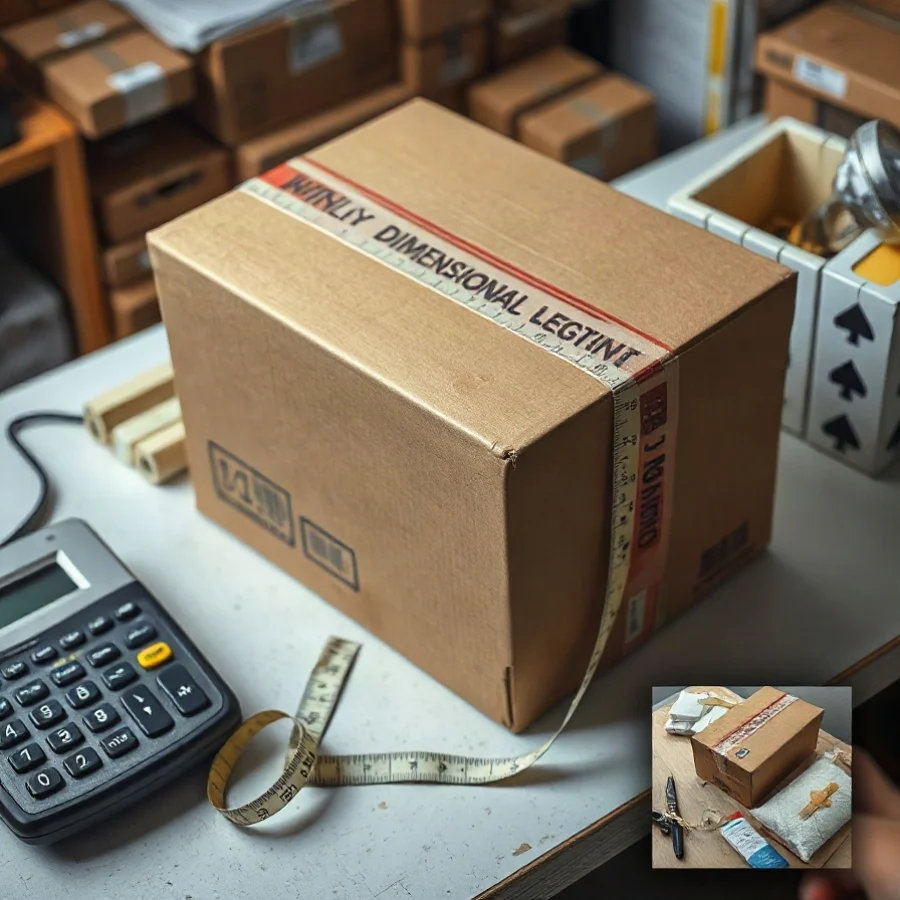
For metric measurements, a carrier may use a different formula and divisor, often based on centimeters and kilograms. Do not combine inches with a metric divisor. Use the units and divisor specified by the carrier whose service you are buying.
Example calculation
Imagine a sealed box measuring 24 inches long, 18 inches wide, and 12 inches high. Its cubic volume is:
24 × 18 × 12 = 5,184 cubic inches
If the applicable service uses a divisor of 139, the unrounded dimensional result would be:
5,184 ÷ 139 = 37.3 pounds
The carrier may then apply its own rounding method. If the package weighs 12 pounds on a scale, the dimensional result could be higher and therefore could determine the billable weight. This is an illustration of the formula, not a guarantee that 139 applies to every carrier, service, package, or destination. Confirm the current divisor and rounding rules before using the result to price an order.
How to measure a package correctly
Measure the completed package, not just the empty box. The final dimensions include the box, tape, protective materials, product, labels, and any part that bulges beyond the main panels.
- Close and seal the box first. Flaps should be folded into their normal shipping position, and tape should be applied as it will be when the package is tendered.
- Measure the longest side. This is usually the length.
- Measure the next longest side. This is usually the width.
- Measure the remaining side. This is the height or depth.
- Round according to the carrier’s instructions. Some carriers or services may require whole-inch measurements or apply their own rounding during rating.
- Record the actual scale weight. Include all packaging materials and round it as required by the applicable service.
A flexible measuring tape can help with soft-sided parcels, but a rigid ruler or tape measure is often more consistent for boxes. Measure in the same unit required by the calculator or rate guide. Small differences can matter when a package is close to a rounding threshold or a surcharge boundary.
Dimensional weight versus actual weight
Actual weight answers the question, “How heavy is this package?” Dimensional weight answers, “How much transportation space does this package occupy?” A carrier may use the larger value because a large, light parcel can reduce available capacity even when it contributes little weight.
For example, a compact box containing metal parts may weigh 25 pounds but have a low dimensional weight. A large box containing foam inserts may weigh only 8 pounds but have a much higher dimensional weight. The first shipment is more weight-intensive; the second is more space-intensive.
Dimensional weight is especially important for air transportation and other services where space is limited. It can also affect ground shipments, depending on the carrier’s current rules and the service selected. A package that qualifies for one pricing method with one carrier may be rated differently by another.
Why box size affects shipping cost
Because the dimensions are multiplied, extra space in more than one direction can increase the result quickly. Adding a few inches to length, width, and height changes the entire cubic volume, not just one measurement.
Consider two boxes with the same product inside:
- A 20 × 14 × 10-inch box has a volume of 2,800 cubic inches.
- A 24 × 18 × 12-inch box has a volume of 5,184 cubic inches.
The second box holds less than twice the length in each direction, but its total volume is substantially larger. If the product does not require that extra space, the larger box may produce a much higher dimensional result.
Use the Box Size Calculator to compare possible box dimensions before packing. For a shipment-specific estimate, you can also use the Dimensional Weight Calculator, then verify its inputs and divisor against the carrier’s current information.
Ways to reduce dimensional weight
Choose a box that fits the product
Select the smallest practical box that protects the contents. The goal is not to eliminate all empty space; fragile products still need cushioning and room for safe closure. The goal is to avoid unnecessary air around the item.
Review protective materials
Replace oversized inserts, excessive layers of cushioning, or bulky void fill when a smaller protective design can provide the same protection. Test the package before changing materials. A smaller box is not an improvement if it allows the product to shift or become damaged.
Consider product packaging design
For frequently shipped products, redesigning the retail carton or inner packaging can have a larger effect than changing the outer box. Nesting components, removing unused headspace, or using a more efficient shape may reduce volume across many orders.
Compare package configurations
One large box is not always the least expensive option. Depending on the product, service, and destination, splitting an order into multiple parcels could produce a different total cost. On the other hand, multiple packages may create additional handling or shipping charges. Compare the complete shipment, not only the dimensional weight of one box.
Common mistakes to avoid
- Using product dimensions instead of package dimensions: The carrier rates the shipment as tendered, including packaging.
- Ignoring protruding parts: Handles, rounded corners, straps, and bulges can affect the outside measurements.
- Using an outdated divisor: Divisors and rating rules can vary or change. Confirm the current value for the selected service.
- Forgetting packaging weight: The actual weight includes the carton, filler, tape, and labels.
- Rounding too early: Keep the measurements precise during the calculation, then apply the carrier’s stated rounding method.
- Assuming every carrier rates packages the same way: Carrier policies may differ by service, destination, package category, and account terms.
How to estimate your billable weight
Start by collecting the final outside dimensions and actual scale weight. Calculate the cubic volume, apply the dimensional divisor specified for the service, and follow the published rounding instructions. Then compare the dimensional result with the actual weight. The larger value may be the billable weight, but you should also review minimum charges, oversize conditions, additional handling rules, and other applicable provisions.
For a carrier-specific review, compare the current documentation from the carrier you intend to use. Package guides for UPS, FedEx, USPS, and other services can help organize your research, but the carrier’s current official source should control when details conflict.
When dimensional weight matters most
Pay close attention to dimensional weight when shipping lightweight products, large cartons, clothing, bedding, seasonal decorations, furniture parts, subscription boxes, or products surrounded by substantial protective packaging. It is also worth checking before listing shipping-inclusive prices, setting marketplace shipping templates, or choosing packaging for a high-volume product.
The most reliable approach is simple: measure the finished parcel, weigh it accurately, use the current divisor for the selected service, and compare the result with the carrier’s current rating rules. Better packaging can protect the product while reducing unused space, making dimensional weight a practical packaging consideration rather than just a billing formula.



Comments
0No comments yet. Be the first to share a helpful note or question.
Leave a Comment
Your email address will not be published. Comments are reviewed before appearing on the site.