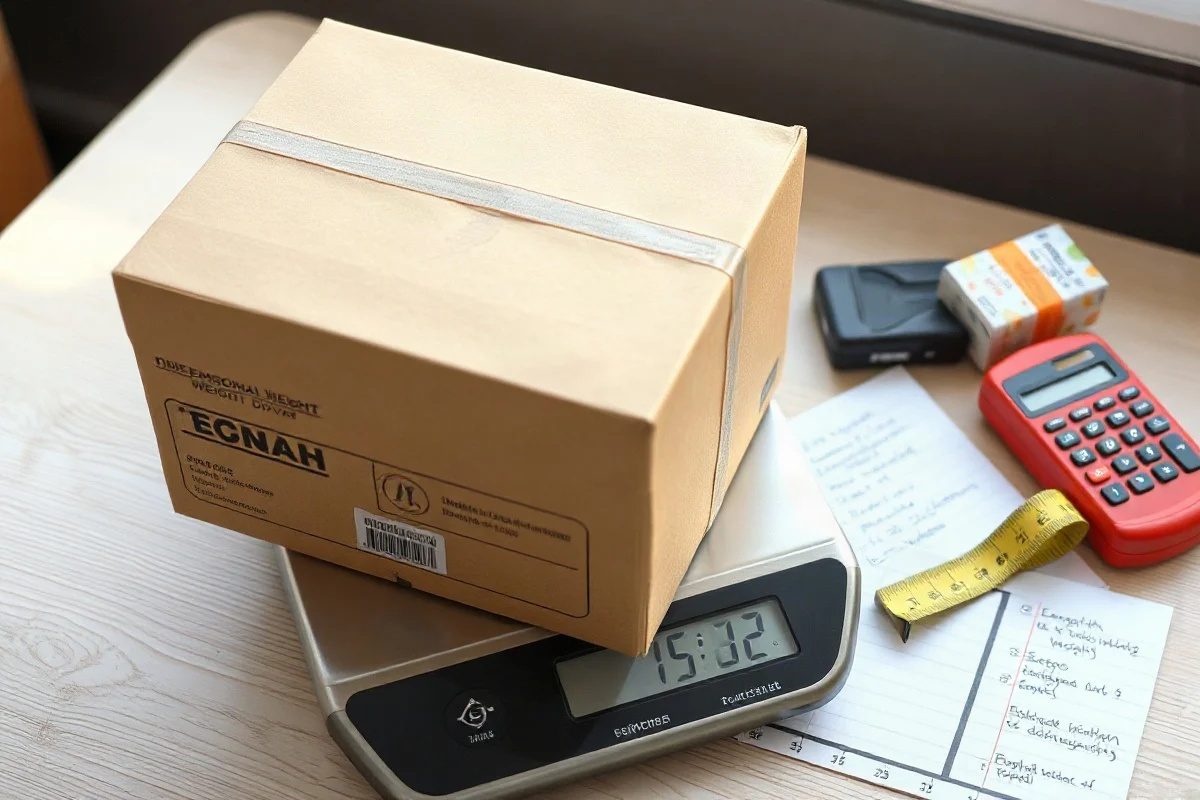
A dimensional weight divisor is the number a carrier uses to convert a package’s volume into a calculated shipping weight. The basic formula is dimensional weight = length × width × height ÷ dimensional weight divisor. If the resulting dimensional weight is higher than the package’s actual scale weight, the carrier may use the higher figure to price the shipment. The divisor is not universal: it can vary by carrier, service, package type, destination, and current tariff, so always confirm the applicable divisor in the carrier’s official rules or rate quote.
Why a dimensional weight divisor matters
Shipping companies have to account for more than the pounds shown on a scale. A large, lightweight box can take up valuable space in a delivery vehicle or aircraft. Dimensional weight, sometimes called volumetric weight, estimates the weight that a package occupies based on its outside volume.
The divisor controls how much volume is treated as one unit of dimensional weight. A smaller divisor produces a higher dimensional weight for the same box. A larger divisor produces a lower calculated weight. This is why using the wrong divisor can lead to an inaccurate shipping estimate even when the package measurements and actual weight are correct.
For example, imagine a box measuring 24 by 18 by 12 inches. Its cubic volume is:
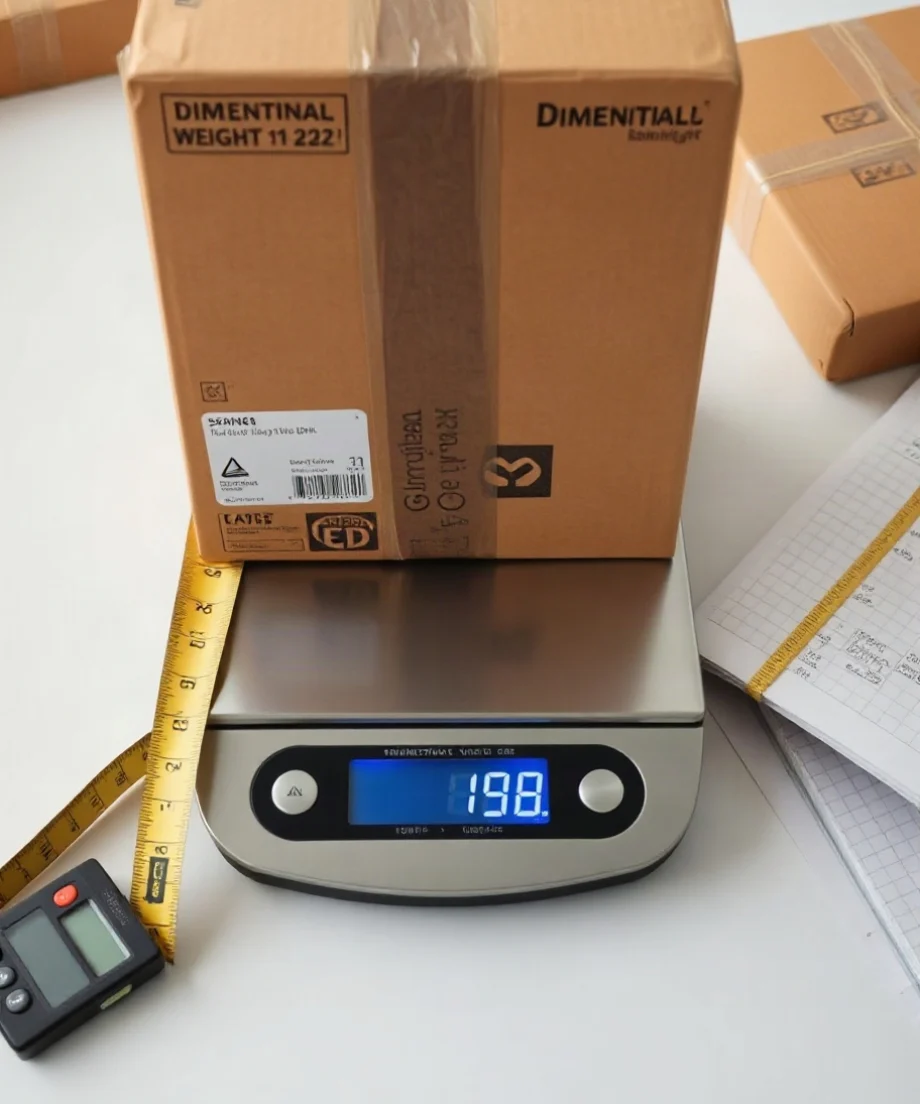
24 × 18 × 12 = 5,184 cubic inches
If a carrier’s applicable divisor were 139, the illustrative calculation would be:
5,184 ÷ 139 = 37.30 pounds
That example is for understanding the formula only. It does not establish a current carrier rule. The actual divisor, rounding method, minimum billable weight, and eligibility requirements must come from the service being used.
The dimensional weight formula
For measurements in inches and a divisor stated in cubic inches per pound, use:
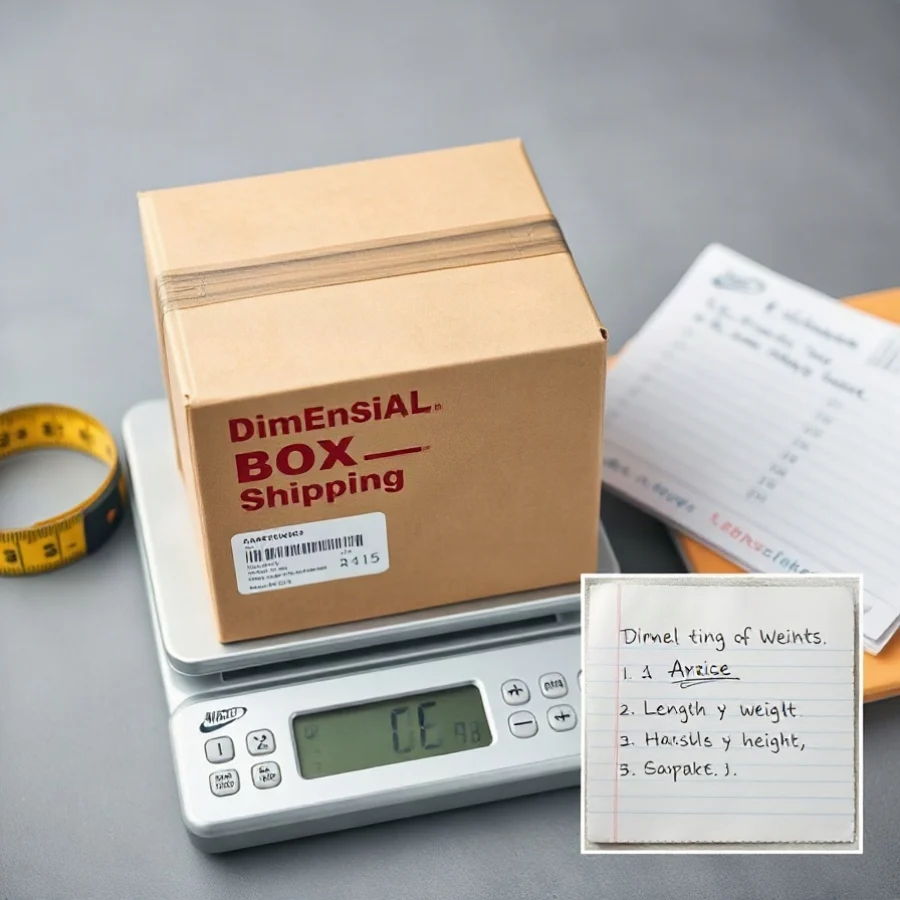
Length × width × height ÷ divisor = dimensional weight
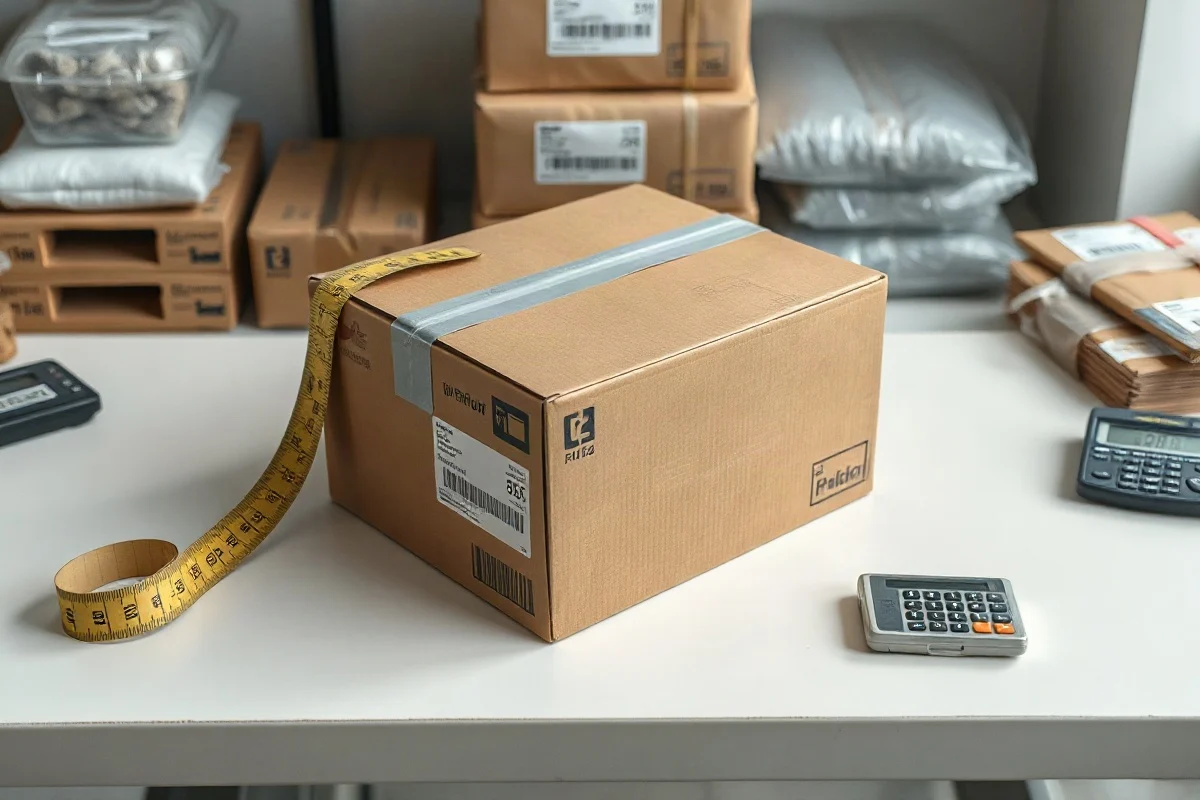
Use the package’s outside dimensions, not the inside dimensions printed on the box. Measure the fully packed parcel after the contents, cushioning, tape, and closure are in place. Round measurements according to the carrier’s current instructions before calculating if the applicable service requires rounding.
When the package is not a perfect rectangular box, measure the longest overall length, the widest overall width, and the highest overall height. Include bulges, protruding packaging, irregular sides, and other features that affect the parcel’s maximum dimensions. For soft mailers, measure the filled package rather than the empty mailer.
Inches versus centimeters
Do not mix measurement systems in one calculation. If the carrier provides a divisor for inches, convert every dimension to inches first. If the carrier uses centimeters and kilograms, keep all measurements in that system and use the corresponding divisor.
To convert centimeters to inches, divide by 2.54. To convert inches to centimeters, multiply by 2.54. Convert the dimensions before multiplying them together; converting only the final volume can easily create a unit error if the divisor is expressed in a different system.
Actual weight versus dimensional weight
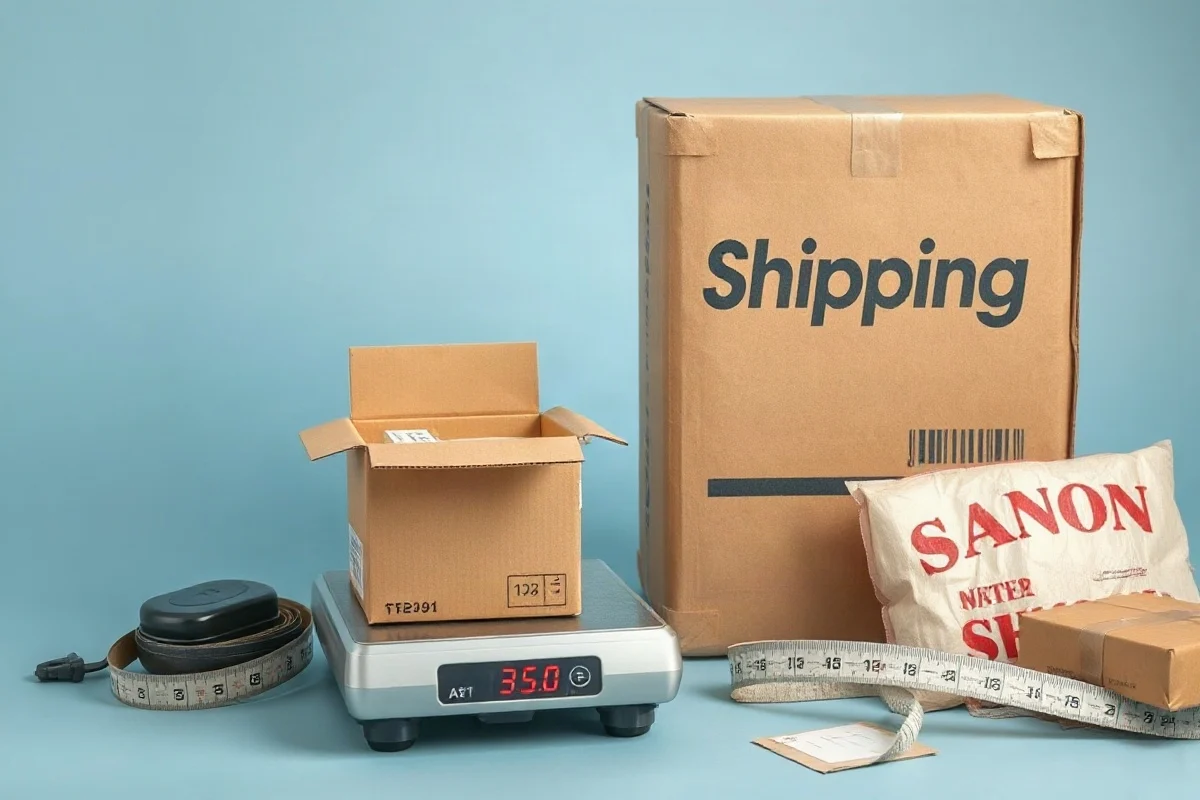
Actual weight is the weight shown by a scale. It includes the product, box, protective materials, labels, and other packaging. Dimensional weight is calculated from the package’s outer size.
Suppose a packed parcel has an actual weight of 12 pounds but a calculated dimensional weight of 18 pounds. Depending on the carrier’s rules, the shipment may be rated using 18 pounds rather than 12 pounds. If the actual weight is 22 pounds and the dimensional weight is 18 pounds, the actual weight may be the larger figure used for rating.
This comparison is often described as rating the package at the greater of actual weight or dimensional weight. However, the exact billing process can depend on the carrier, service, destination, rounding rules, and other terms. A shipping quote is the best way to verify the billable result for a specific shipment.
You can check the arithmetic with the dimensional weight calculator, but use the correct divisor for the carrier and service before relying on the result.
How to measure a package correctly
Accurate measurements are just as important as the divisor. A small error in each dimension can produce a meaningful change in cubic volume because all three measurements are multiplied together.
Follow these measurement steps
- Pack the item first. Add the actual protective material and close the box or mailer as it will be shipped.
- Measure the outside length. This is generally the longest side of the parcel.
- Measure the outside width. Measure the side perpendicular to the length.
- Measure the outside height. Measure the remaining dimension, including any raised or bulging section.
- Record the actual weight. Use a scale that can handle the package and show the required level of precision.
- Check the carrier’s rounding instructions. Some services may require dimensions or weight to be rounded in a particular way.
- Apply the correct divisor. Confirm it for the selected service instead of relying on a saved spreadsheet value.
For rectangular packages, write the dimensions in the same order every time, such as length × width × height. Consistent records make it easier to compare quotes and spot a measurement error.
How the divisor affects package design
The divisor is not just a calculation detail. It can influence which packaging design is financially practical. Two packages with the same actual weight can have very different shipping costs if one uses substantially more space.
Before selecting a box, compare the product’s packed dimensions with several standard box sizes. Avoid leaving large empty areas that require extra cushioning and increase the outer dimensions. At the same time, do not compress fragile goods so aggressively that the packaging no longer protects them. The goal is a secure package with the smallest practical outside dimensions.
Use a sturdy carton that fits the item and cushioning without forcing the flaps or creating pressure points. If you frequently ship the same product, test a few box sizes and record the finished dimensions and weights. A box size calculator can help compare cubic volume, but it cannot replace the carrier’s current pricing rules.
Common mistakes involving dimensional weight divisors
Using one divisor for every shipment
A divisor from one carrier or service may not apply to another. International and domestic services may also use different terms. Keep the divisor connected to the specific quote, account, service, and destination rather than treating it as a permanent universal number.
Measuring the inside of the box
Inside dimensions describe usable space, but shipping charges are normally based on the parcel’s outside dimensions. Wall thickness, corner protection, tape, and bulges can all increase the final measurements.
Ignoring irregular shapes
A rounded or uneven package may be rated using its maximum overall dimensions or another method defined by the carrier. Do not assume that an irregular parcel will be treated like a smaller rectangular box simply because its average dimensions are lower.
Forgetting dimensional weight after repacking
Replacing a compact box with a larger one, adding extra void fill, or changing from a box to a padded mailer can alter the calculation. Reweigh and remeasure whenever the packaging changes.
Rounding too early
Rounding each dimension before multiplying can produce a different result from the carrier’s calculation. Follow the official measurement and rounding instructions for the service, and keep unrounded measurements in your internal records when possible.
How to reduce dimensional weight without underpacking
- Choose a box that fits the product and required cushioning closely.
- Use inserts or molded protection that controls movement without creating unnecessary empty space.
- Remove oversized retail packaging when it is safe and appropriate.
- Keep flaps flat and make sure tape does not create avoidable protrusions.
- Compare a few packaging configurations before standardizing one.
- Record the final packed dimensions, actual weight, and service used.
- Check the carrier’s current size, weight, and surcharge rules before changing your packaging program.
Reducing the box by even a small amount can lower cubic volume, but protection comes first. A damaged product, an opened carton, or a refused package can cost more than dimensional-weight charges. Test packaging with realistic handling conditions before adopting a smaller design.
How to verify the correct divisor
Start with the official rate guide, service terms, or online rate calculator for the carrier and service you plan to use. Look for the section covering dimensional weight, billed weight, rounding, and package eligibility. Confirm whether the rule differs by domestic or international transportation, package type, destination, or account arrangement.
Then compare the calculated result with an actual quote using the finished package dimensions and weight. If the results differ, check for rounding, additional handling rules, minimum charges, oversized-package provisions, or a different service selection. Carrier policies and pricing can change, so review the current official source rather than depending on an old spreadsheet or an unverified online example.
For carrier-specific background, you can also review the UPS package guide, FedEx package guide, or USPS package guide. These resources should be used alongside the carrier’s current official documentation when making a shipping decision.
A practical checklist
Before buying a label, confirm the following:
- The package is measured after packing and closing.
- Length, width, and height use the same unit system.
- The actual weight comes from the finished parcel.
- The divisor matches the selected carrier service.
- The carrier’s rounding and billable-weight rules have been checked.
- The calculated weight is compared with the actual weight.
- The final quote reflects the correct destination and package type.
In short, a dimensional weight divisor turns package volume into a comparable weight for shipping calculations. Because the divisor is only one part of the rating process, use it with accurate outside measurements, a verified actual weight, and the current rules for the service you are purchasing. For more measurement guidance, explore package dimensions and keep a record of the finished packages you ship most often.
Comments
0No comments yet. Be the first to share a helpful note or question.
Leave a Comment
Your email address will not be published. Comments are reviewed before appearing on the site.