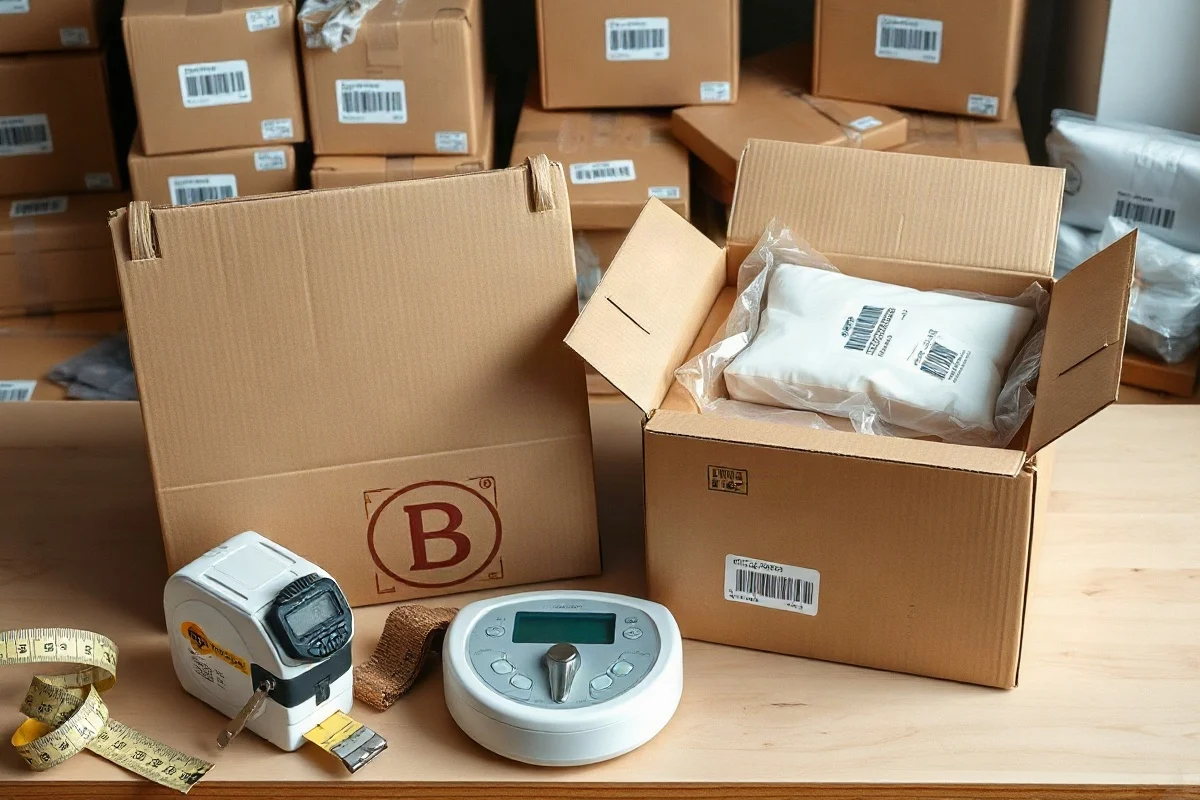
Box size can change your shipping cost because carriers may price a package by its dimensional weight instead of its actual weight. A large, lightweight box takes up more space in a delivery vehicle or aircraft, so the carrier may charge for the space it occupies. To control costs, measure the packed package—not just the product—compare actual weight with dimensional weight, and choose the smallest protective box that fits.
Why a larger box can cost more
Shipping companies handle millions of packages in limited truck, van, and aircraft space. A compact, heavy package uses more handling capacity by weight, while a large box filled with air uses more capacity by volume. Dimensional weight, sometimes called volumetric weight, gives carriers a way to price packages that are bulky relative to their actual weight.
For many services, the billable weight is based on whichever is greater: the package's actual weight or its calculated dimensional weight. That is not a universal rule for every carrier or service, however. The calculation can vary by carrier, transportation mode, service level, destination, package type, and account agreement. Always check the current official rate and packaging rules for the service you plan to use.
Actual weight versus dimensional weight
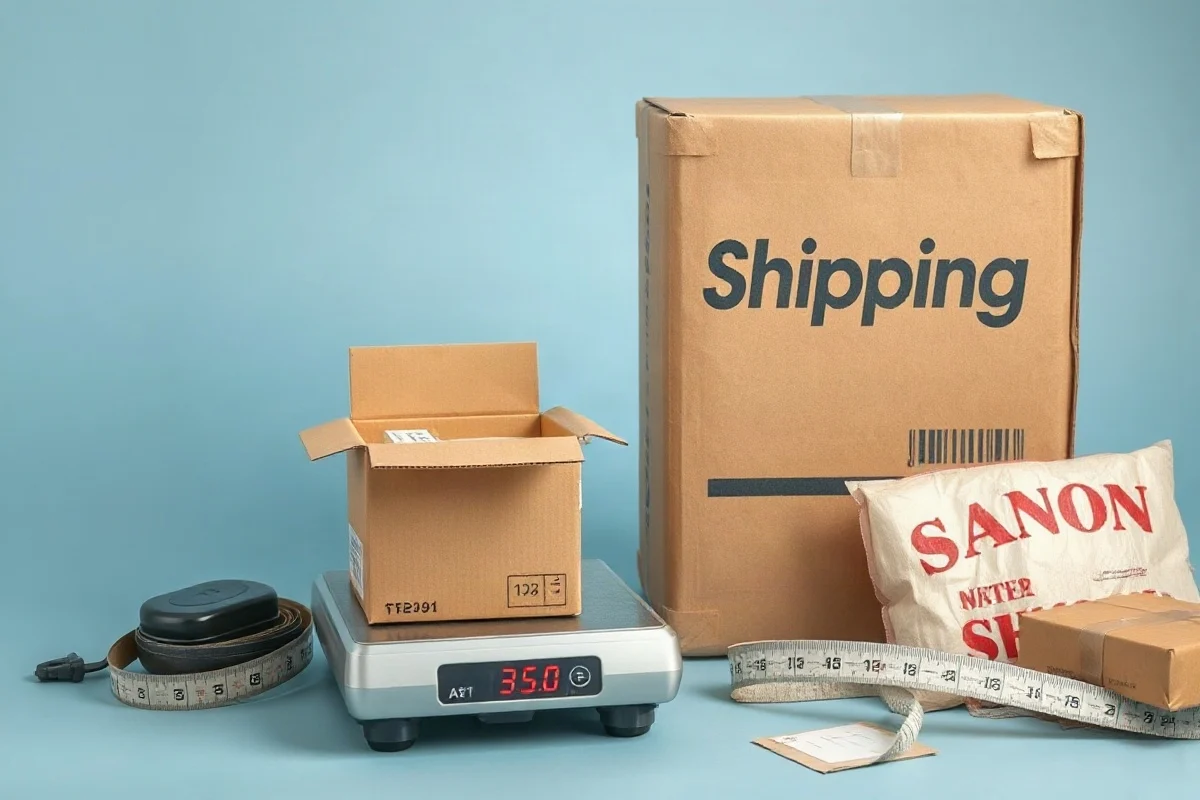
Actual weight is the physical weight of the fully packed shipment, including the product, inner packaging, cushioning, box, tape, and label. Weigh the sealed package on a scale rather than relying on the product listing or the empty-box specification.
Dimensional weight is calculated from the package's outside dimensions. A common general formula is:
Dimensional weight = length × width × height ÷ dimensional divisor
The dimensions and divisor must match the carrier's current rules. Some services use inches and pounds, while others use centimeters and kilograms. The divisor may also differ between domestic and international shipments or between service types. Do not use a remembered divisor as a universal standard. Confirm it in the carrier's current documentation or rate calculator.
After calculating both weights, the carrier may round the result according to its published rules and use the higher applicable value. Rounding practices can affect the final billable weight, so a package that appears to be just under a threshold may be rated differently after measurement or rounding.
How to measure a package correctly
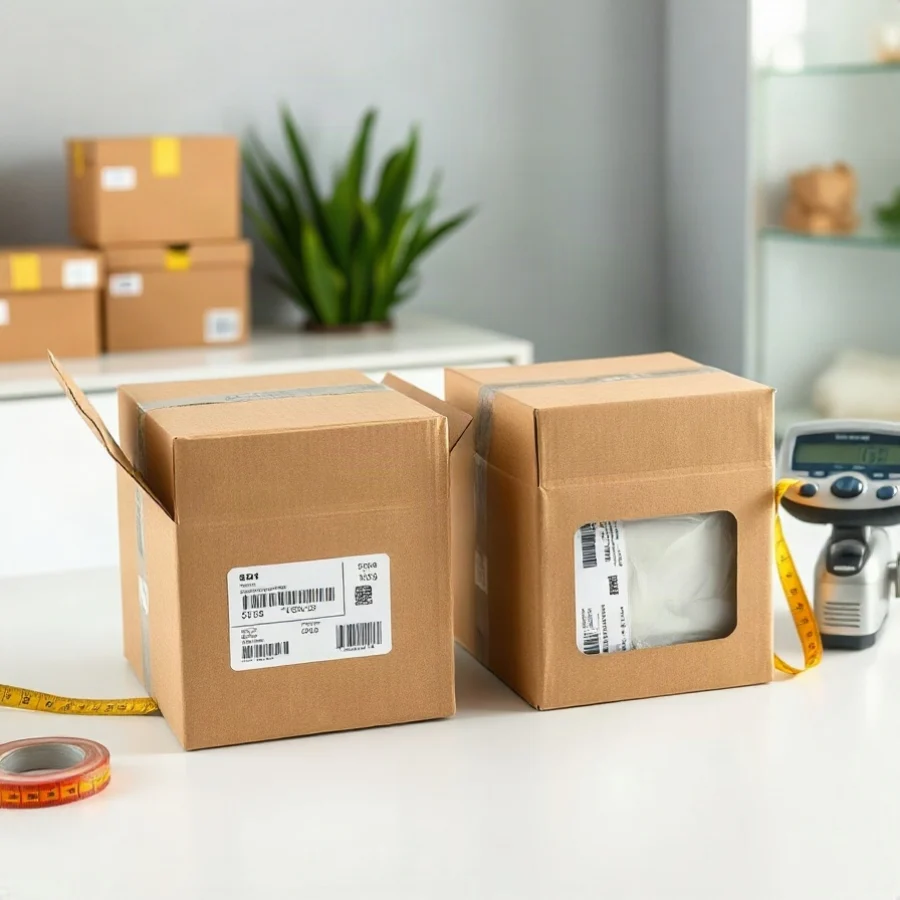
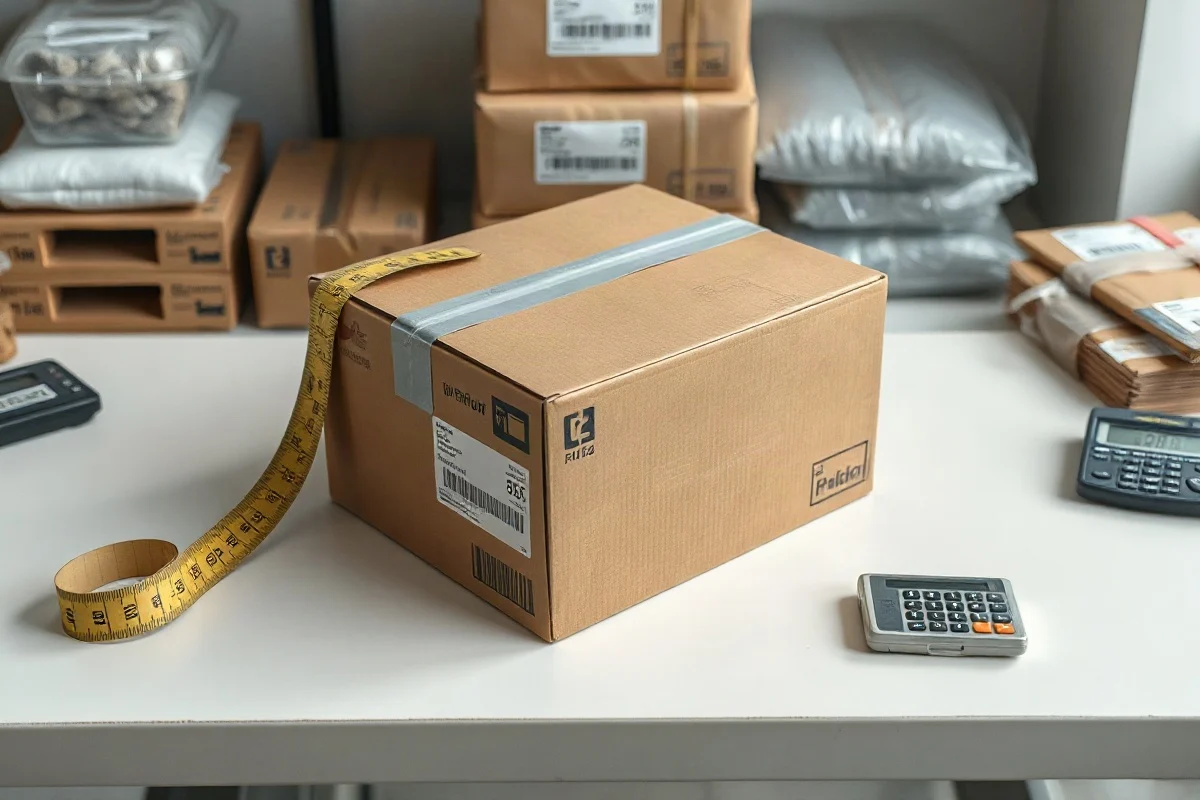
Measure the outside of the finished package after it has been packed and sealed. Use a ruler or tape measure that is accurate enough to show small differences, especially when the package is close to a carrier or pricing threshold.
- Measure the length. Identify the longest side of the box.
- Measure the width. Measure the side perpendicular to the length.
- Measure the height. Measure the remaining side, from one outer surface to the opposite outer surface.
- Include protrusions. Bulges, uneven flaps, handles, straps, and other parts that extend beyond the main box may affect the carrier's measurement.
- Round only as required. Follow the current carrier instructions instead of automatically rounding every measurement in the same direction.
For a rectangular carton, record the dimensions in the order length × width × height. The order does not change the volume mathematically, but using a consistent order makes labels, shipping software, and inventory records easier to review. If you want to test several carton options, the dimensional weight calculator can help compare actual and dimensional weight using the applicable divisor.
A simple box-size example
Imagine two shipments containing the same product. The product and protective material weigh 3 pounds before the outer carton is considered.
- Package A measures 10 × 8 × 6 inches.
- Package B measures 16 × 12 × 10 inches.
Package B has much greater cubic volume even though it contains the same item. If the applicable dimensional-weight calculation produces a value above the shipment's actual weight, Package B may receive a higher billable weight. The exact result depends on the divisor, measurement rules, rounding method, and service selected. This example illustrates the relationship between size and cost; it is not a quote or a carrier-specific rate.
The difference can become more significant when shipping many orders. A few extra inches on each side increase volume in three directions. Replacing an oversized carton with a closer-fitting carton can reduce dimensional weight, lower material use, and make storage and handling more efficient.
How to choose a lower-cost box without under-protecting the product
Start with the packed product
Do not choose an outer box based only on the product's catalog dimensions. Add the space required for cushioning, corner protection, wrapping, dividers, or other protective components. Then test the item in the box with the actual materials you intend to use.
Leave enough room for protection
A box that is too tight may crush the product, prevent proper closure, or transfer impact directly to the contents. A box that is much too large requires more filler and may allow the item to move during transit. The goal is not the smallest possible carton; it is the smallest carton that provides reliable protection for the product and the selected shipping environment.
Test the closure and movement
After packing a sample, close the box and gently move it in several directions. The contents should not rattle or shift significantly. Check that flaps meet properly and that the tape can seal the carton without excessive tension. If the package needs a large amount of filler to stop movement, a smaller carton or a better-fitting insert may be more efficient.
Compare standard box sizes
Using a few repeatable carton sizes can simplify purchasing and fulfillment, but standardization should not lead to unnecessary empty space. Compare the outer dimensions of available cartons, not only their stated interior size. Box thickness and construction can change the usable interior space and the final outside measurements.
For a broader comparison of common carton options, review the guide to box sizes. A box-size tool can also help estimate the carton dimensions needed around a product and its protective materials.
Small details that can increase the measured size
Oversized costs do not come only from choosing the wrong carton. Packaging details can also expand the final measurements:
- Overfilled boxes with bulging panels can measure larger than their nominal size.
- Loose or overlapping flaps can create an uneven top surface.
- External straps, handles, and attachments may add to the overall footprint.
- Soft mailers can puff up when filled, changing their length, width, or height.
- Protective corners or large labels may interfere with automated measurement or sorting.
Pack the shipment consistently and measure a representative finished sample. If a carrier measures the package differently from the dimensions entered in your shipping system, the carrier's recorded measurements may affect billing under its current terms.
When a mailer may be better than a box
A flexible mailer can reduce outer dimensions for products that are durable, soft, or already protected by their own packaging. It may also eliminate unused headspace. However, a mailer is not suitable for every product. Fragile, sharp, crush-sensitive, liquid, or irregularly shaped items may need the structure of a box and internal cushioning.
Before switching packaging types, test the complete shipment for compression, abrasion, moisture exposure, and handling. Also verify the current requirements of the carrier and marketplace involved. Some services, destinations, or fulfillment programs may impose packaging, labeling, or measurement rules that differ from ordinary parcel shipping.
How to estimate your shipping cost more reliably
Use a repeatable process for each product or package profile:
- Pack the product using the intended materials.
- Measure the outside length, width, and height.
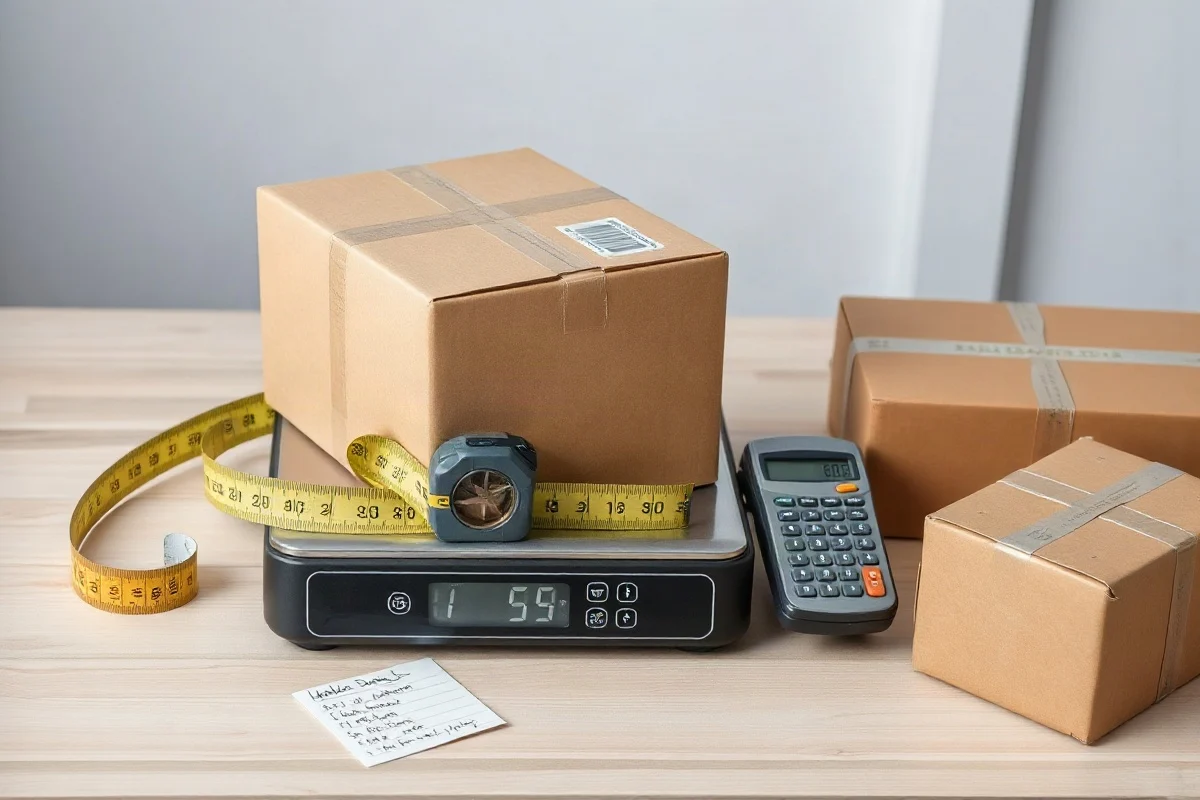
- Weigh the sealed package.
- Check the selected carrier and service's current dimensional-weight formula, divisor, rounding method, and size restrictions.
- Calculate dimensional weight and compare it with actual weight.
- Use the applicable billable weight in the carrier's current rate tool.
- Repeat the comparison for a smaller carton or alternate packaging design.
A box size calculator can help with the dimensional fit, while a carrier's official rate calculator is the appropriate place to verify the current price. Published rates, surcharges, dimensional-weight rules, and package limits can change, so an old spreadsheet or previous shipment invoice should not be treated as a current quote.
Ways to reduce size-related shipping costs
- Use packaging that fits the product and its required protection.
- Replace excessive filler with a properly sized insert when practical.
- Review products that repeatedly ship with large empty spaces.
- Keep outer dimensions accurate in shipping software.
- Compare box and mailer options for products that can safely use either format.
- Check whether a different service has different dimensional-weight rules before changing packaging.
- Audit billed dimensions periodically, especially after changing cartons or fulfillment locations.
The most useful comparison is not between an empty box and a product. It is between complete, shipment-ready packages that provide the same level of protection. A slightly heavier carton may still cost less overall if it prevents damage, but unnecessary volume can raise transportation charges on every order. Measuring carefully and checking the current carrier rules lets you find the practical balance between protection, package size, and shipping cost.
Comments
0No comments yet. Be the first to share a helpful note or question.
Leave a Comment
Your email address will not be published. Comments are reviewed before appearing on the site.