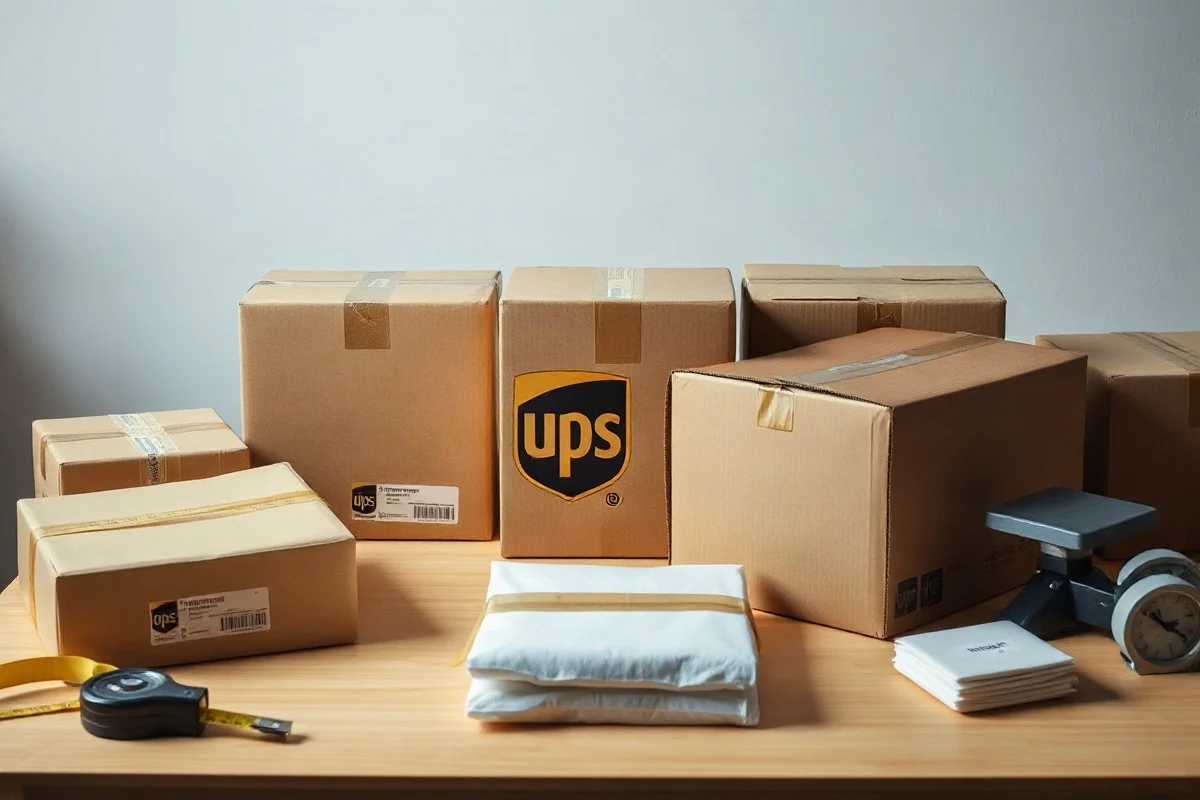
Common UPS package boxes include 6 x 6 x 6 inches for small items, 8 x 6 x 4 inches for compact products, 12 x 9 x 6 inches for everyday shipments, 12 x 12 x 8 inches for larger retail items, and 18 x 14 x 12 inches for multiple products. These are practical box sizes, not universal UPS requirements. The best choice depends on the item, protective material, final packed dimensions, weight, destination, and service level.
A box should be large enough to protect the contents without leaving excessive empty space. It also needs to remain within the current size and weight rules for the UPS service you select. Because carrier limits, dimensional-weight calculations, surcharges, and service conditions can change, check the current UPS requirements and the shipment quote before sending a large or heavy package.
Common box sizes for UPS shipments
Box dimensions are normally listed as length x width x height, measured on the inside or outside depending on the supplier. For shipping, the package's final outside dimensions matter. The following sizes are useful starting points for common shipments:
| Box size | Typical uses | What to watch for |
|---|---|---|
| 6 x 6 x 6 inches | Small accessories, compact parts, and small gift items | Use enough cushioning to prevent movement without crushing the product. |
| 8 x 6 x 4 inches | Books, small electronics, cosmetics, and boxed merchandise | Check that the item and protective wrap fit without bending or pressure. |
| 10 x 8 x 6 inches | Clothing, household items, and several small products | Arrange the contents so weight is distributed across the bottom. |
| 12 x 9 x 6 inches | Common retail orders, shoes, accessories, and medium-size products | Measure the sealed package, not just the carton before packing. |
| 12 x 12 x 8 inches | Multiple products, kitchen goods, and moderate protective packaging | Fragile contents may need a stronger carton or more internal support. |
| 16 x 12 x 12 inches | Several small items, larger household goods, and bundled orders | Empty volume can increase dimensional weight and allow contents to shift. |
| 18 x 14 x 12 inches | Bulkier merchandise and multi-item shipments | Review UPS size, weight, and surcharge rules before using a large carton. |
These examples are not the only acceptable choices. A 9 x 9 x 9-inch carton may be more efficient than a rectangular box for one product, while a long, narrow item may require a 24 x 6 x 6-inch carton. The goal is to select the smallest practical box that protects the shipment and satisfies the applicable carrier rules.
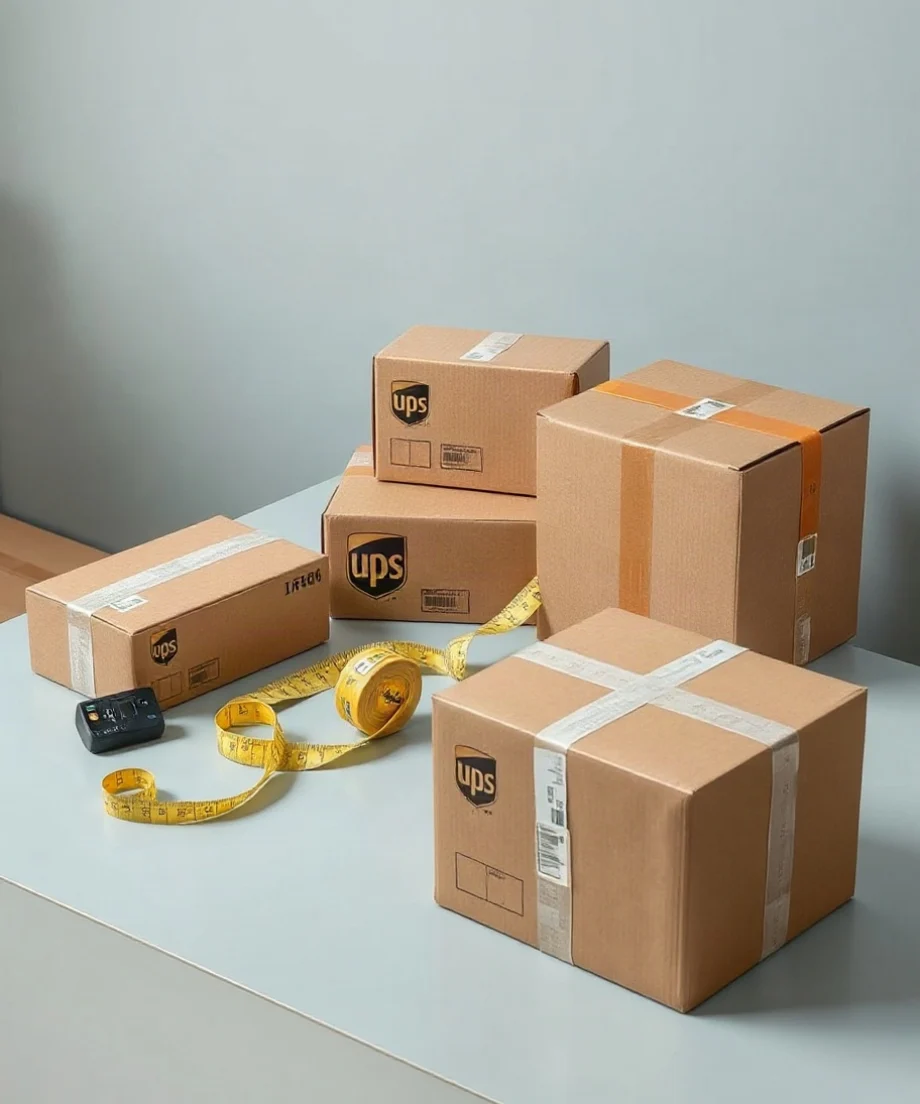
How to choose the right box size
Start with the product dimensions
Measure the product at its longest, widest, and thickest points. Include handles, protruding parts, irregular shapes, and any retail packaging that will remain on the item. If the product can be compressed, do not assume it will stay compressed during transit unless the packaging is designed to hold it in place.
Next, estimate the space needed for protection. A fragile item may require foam, molded inserts, bubble cushioning, corrugated pads, or another protective system. Soft goods may need less clearance, but they still need enough room to close the carton without forcing the flaps or deforming the contents.
As a simple planning method, add the expected clearance on both sides of each dimension. For example, a product measuring 10 x 7 x 4 inches may need a box with at least 1 inch of protective space around it. That could lead to an approximate interior target of 12 x 9 x 6 inches, although the actual requirement depends on the cushioning material and how the product is positioned.
Allow room for cushioning, not random air
Empty space is useful only when it serves a purpose. Protective material should keep the contents from contacting the carton walls and should limit movement when the box is handled. Excessive empty space can increase the package's billable size, while too little space can leave the product vulnerable to impact.
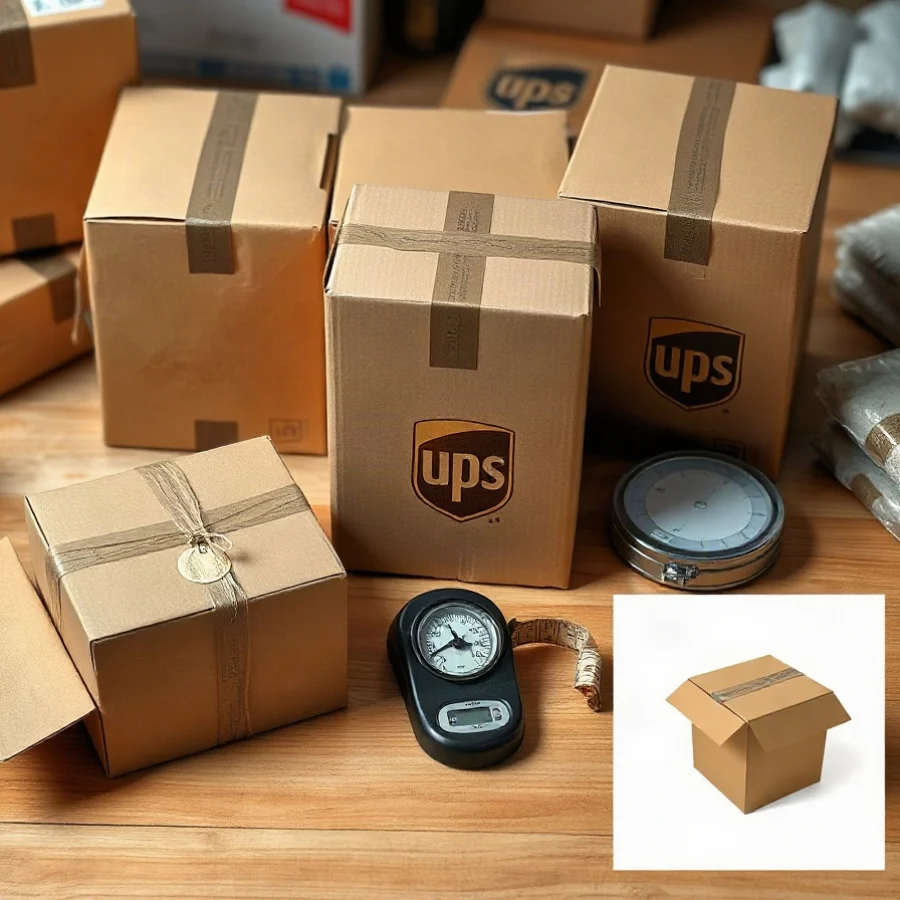
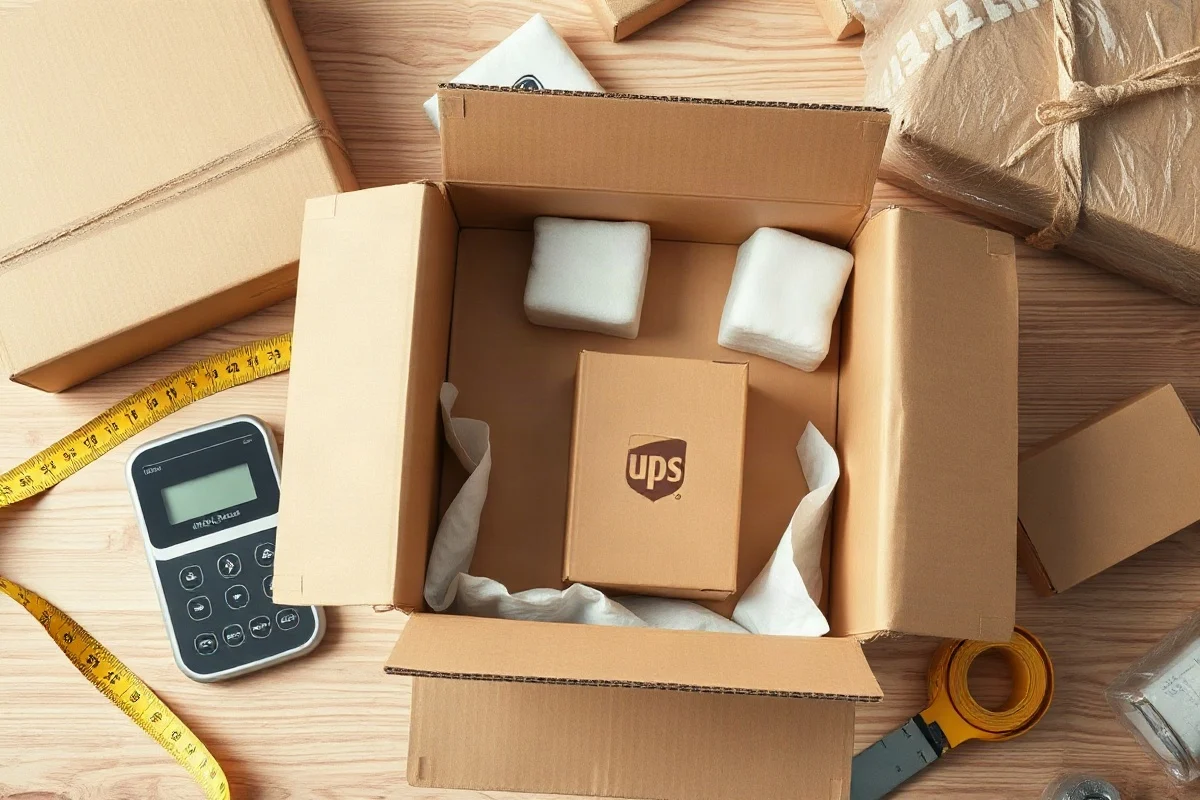
Place cushioning beneath, around, and above the item when the product requires it. Close the box and gently test whether the contents move. If the item slides, add or reposition the protective material. If the flaps bow upward or the product is compressed, use a larger carton or a different packing arrangement.
For more guidance on clearance and void fill, see our guide to how much empty space a shipping box should have.
Measure the final UPS package correctly
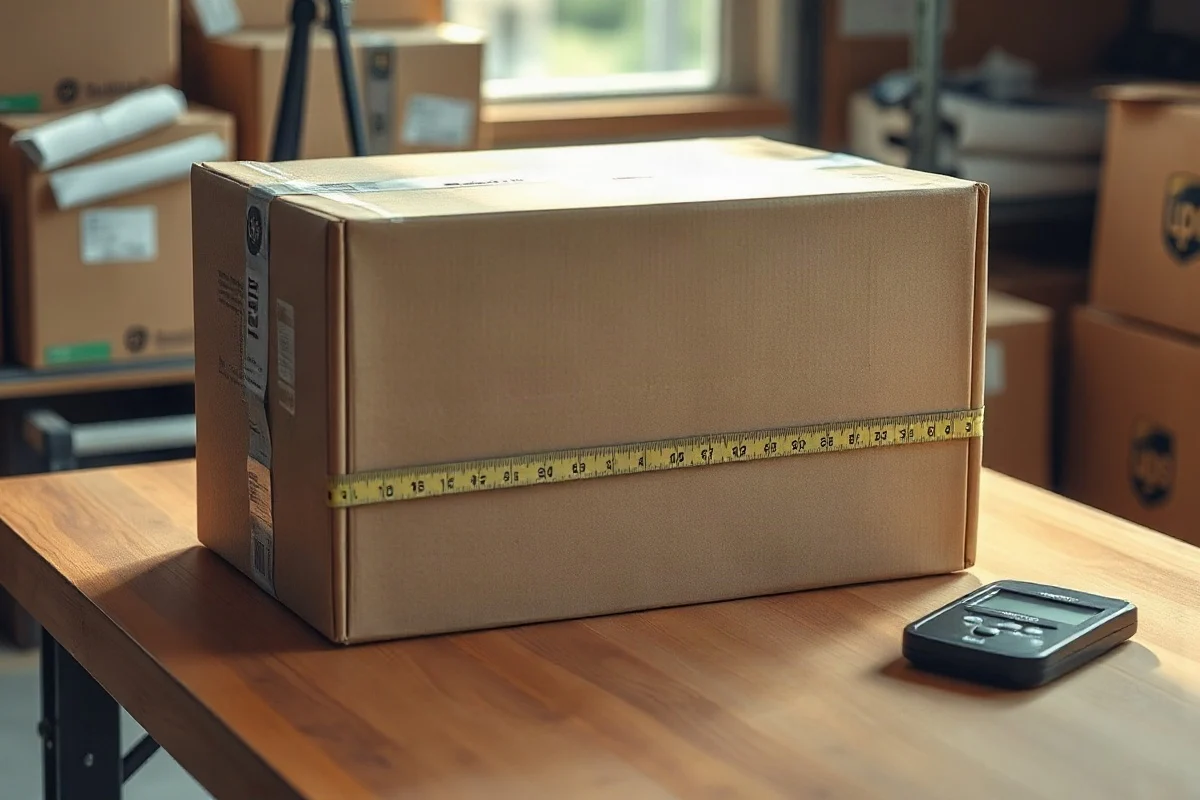
Do not use the catalog dimensions of an empty box as the final shipping dimensions. Once the carton is filled, sealed, taped, and bulging or irregular in any way, measure the finished package.
- Place the sealed package on a level surface.
- Measure the longest side from end to end. This is the length.
- Measure the side perpendicular to the length. This is the width.
- Measure the remaining side from bottom to top. This is the height.
- Round measurements according to the carrier's current instructions or the rules used by the shipping platform.
- Record the package weight after all packing materials and labels are included.
Keep the measurement method consistent. A carton that measures 12 x 9 x 6 inches before sealing may measure differently after the flaps are closed or after padding creates a slight bulge. For irregular packages, use the greatest overall length, width, and height. When a shipment is close to a size threshold, conservative measurements can help avoid an incorrect quote.
Our guide on how to measure a package for UPS provides a more detailed measurement process.
Dimensional weight and box selection
UPS may price some shipments according to dimensional weight when the package takes up more space than its actual weight would suggest. The general calculation uses the package's length, width, and height divided by a carrier- and service-specific dimensional divisor:
Dimensional weight = length x width x height divided by the applicable divisor
The divisor, rounding method, minimums, and conditions can vary by service, destination, account, and date. Do not assume that one divisor applies to every UPS shipment. Check the current UPS rate information or the shipping software's calculation before relying on an estimate.
For example, a 16 x 12 x 12-inch box has a volume of 2,304 cubic inches. Even if the contents weigh only a few pounds, the package may be priced partly according to the space it occupies. A smaller 12 x 12 x 8-inch box has a volume of 1,152 cubic inches, exactly half as much, if both measurements are taken in inches. That does not automatically mean the smaller carton is better; it must still fit the contents and provide adequate protection.
You can compare actual and dimensional weight with the dimensional weight calculator. Treat the result as an estimate until you confirm the current UPS rules and the details of your service.
Box size examples by shipment type
Small accessories and compact products
Small items often fit in cartons such as 6 x 6 x 6 or 8 x 6 x 4 inches. Use an appropriately sized inner package if the product has delicate surfaces, and prevent small parts from moving freely. A carton that is technically large enough may still be inefficient if it requires a large amount of loose fill.
Books, clothing, and soft goods
Books and folded clothing commonly fit in low or medium-height cartons, but the correct box depends on quantity and weight. Books can become heavy quickly, so use a carton with suitable strength and avoid overfilling it. Clothing may need a larger box by volume but can be lighter. Protect textiles from moisture with an inner bag when appropriate, especially if the shipment may encounter rain or condensation.
Electronics and fragile merchandise
Electronics should not rattle inside the carton. A box around 10 x 8 x 6 or 12 x 9 x 6 inches may work for compact devices, but the product's shape and the required cushioning are more important than the nominal box size. Keep accessories from pressing against screens, controls, or other sensitive surfaces.
Multiple products in one order
For several items, a 12 x 12 x 8 or 16 x 12 x 12-inch carton may provide useful flexibility. Arrange heavier products at the bottom and separate items that could scratch or crush one another. If the combined order creates a large, heavy, or awkward package, compare the cost and handling risks of one carton with the cost of splitting the order into two shipments.
How to avoid common box-sizing mistakes
- Choosing by product dimensions alone: Add space for cushioning, inner packaging, and closure.
- Using a carton that is much too large: Extra volume can increase dimensional weight and allow damaging movement.
- Ignoring package weight: A small box can still be heavy if it contains dense products such as books, tools, or metal parts.
- Measuring before sealing: The final outside dimensions are the ones used for shipping calculations.
- Trusting an old rate quote: Carrier pricing and rules may change. Recheck the shipment when it is ready to purchase.
- Using a damaged or weak carton: Reuse boxes only when they remain rigid, dry, and free from structural damage.
- Forgetting the shipping label: Apply the label to a flat surface and keep it away from seams, corners, and edges.
When a standard box is not the best option
A standard carton may be unsuitable for long products, unusually wide items, heavy contents, or fragile merchandise that needs a custom insert. In those cases, compare several cartons rather than automatically choosing the largest available box. A smaller package with a purpose-built insert can reduce movement and may lower the space-based portion of shipping cost.
For large or unusual packages, review the current UPS guidance for package dimensions, weight, oversize classifications, and additional handling. These rules can vary by service and may be updated. Our UPS package guide can help you organize the questions to verify, but the current official UPS source should control when requirements conflict.
A practical packing checklist
- Measure the product and identify fragile or protruding areas.
- Select the smallest suitable carton with enough room for protective material.
- Place cushioning around the contents and fill unused space that could allow shifting.
- Close the carton without forcing the flaps or leaving gaps.
- Apply tape across the main seam and reinforce the package as needed for its contents.
- Measure the final outside length, width, and height.
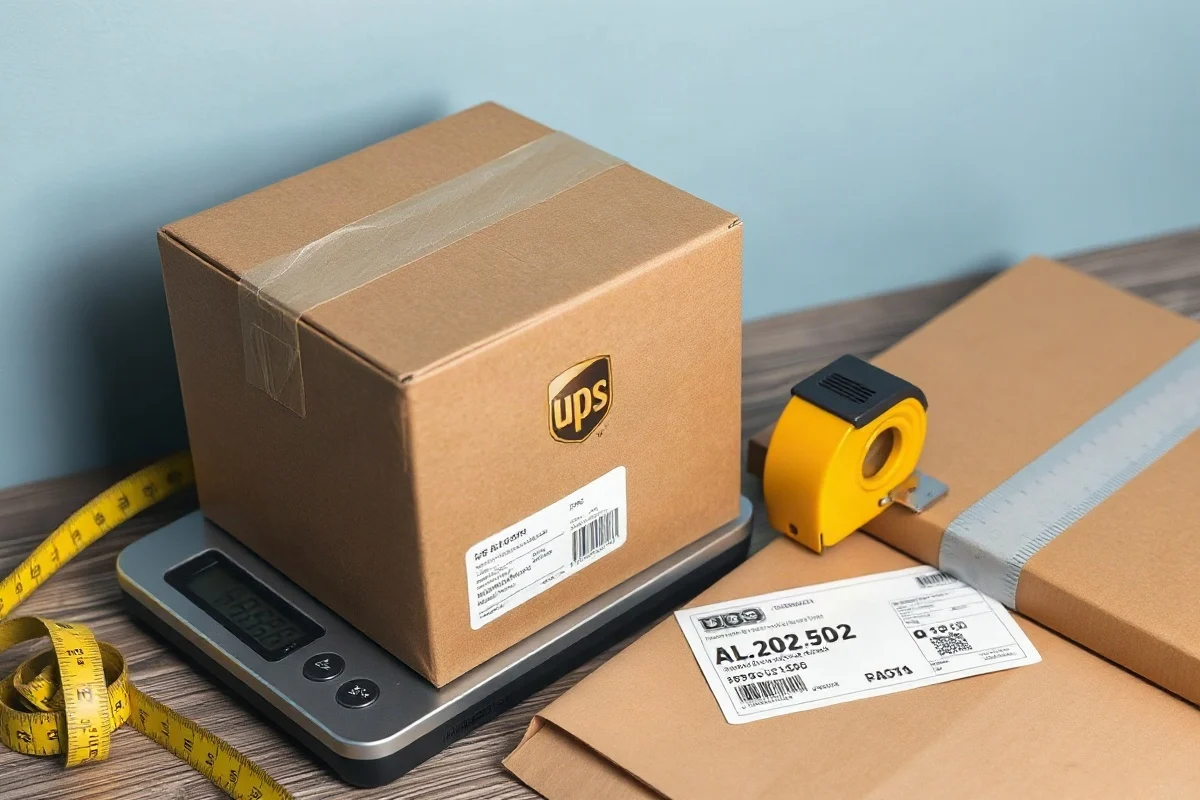
- Weigh the sealed package, including the label and all packing materials.
- Enter the measurements and weight into the current UPS shipping tool or your shipping platform.
- Review the quoted service, estimated charges, and any applicable size or handling conditions before purchasing the label.
The most useful UPS box size is not necessarily the one with the smallest printed dimensions. It is the carton that protects the contents, closes securely, uses space efficiently, and remains within the current requirements for the service you choose. When in doubt, compare the finished package dimensions and weight with the current UPS information rather than relying on a general box-size chart.
Comments
0No comments yet. Be the first to share a helpful note or question.
Leave a Comment
Your email address will not be published. Comments are reviewed before appearing on the site.