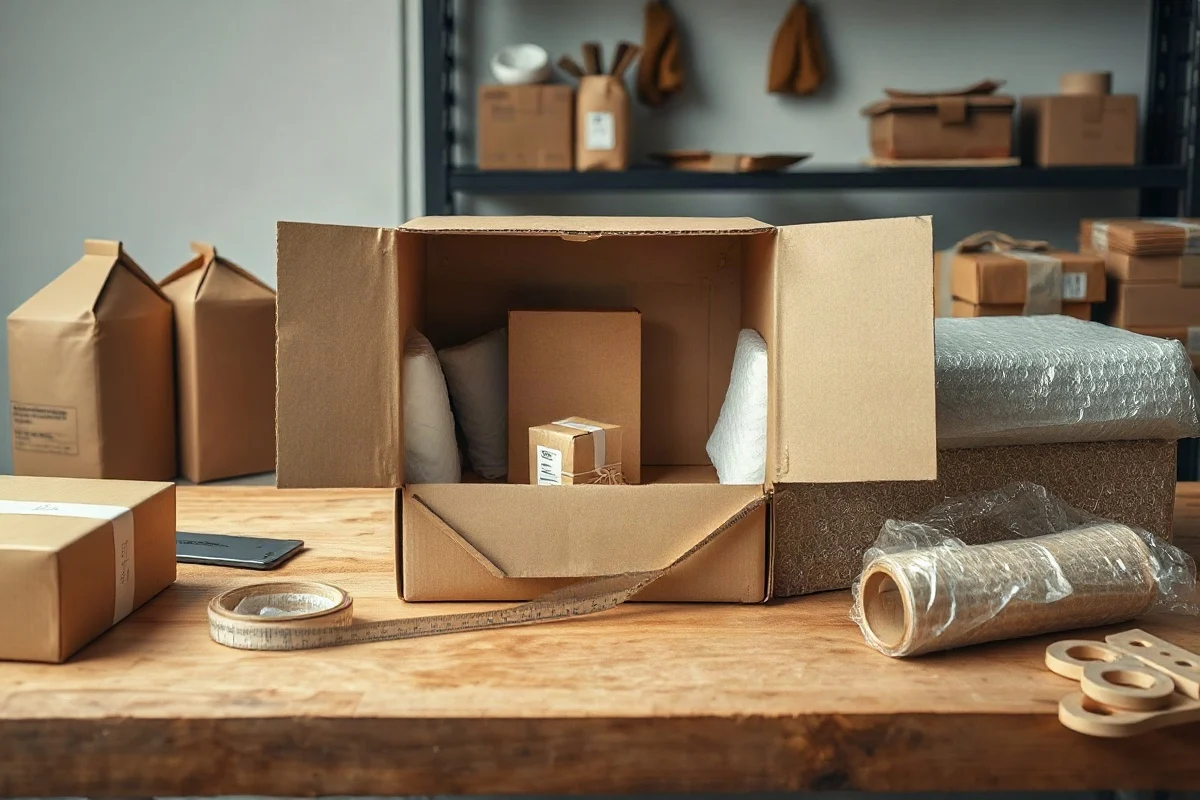
A shipping box should have just enough empty space for protective cushioning—typically about 1 to 2 inches between the item and each interior wall, depending on the item’s fragility and the cushioning material. The goal is not to fill every inch of the box or leave the product loose. A properly packed box holds the item securely, absorbs ordinary impacts and vibration, and closes without bulging or excessive unused volume.
The right amount of space depends on what you are shipping, how durable it is, the type of padding you use, and the expected handling conditions. A rigid book may need only a small amount of protective material, while glassware, ceramics, electronics, and other fragile products usually need more clearance and stronger cushioning.
What “empty space” means in a shipping box
Empty space is the area between the product and the inside walls of the box, as well as any gaps above, below, or around the item. Some of that space is intentional: cushioning must occupy it to prevent the product from moving and to reduce the force of impacts.
There is a difference between protected space and uncontrolled void space:
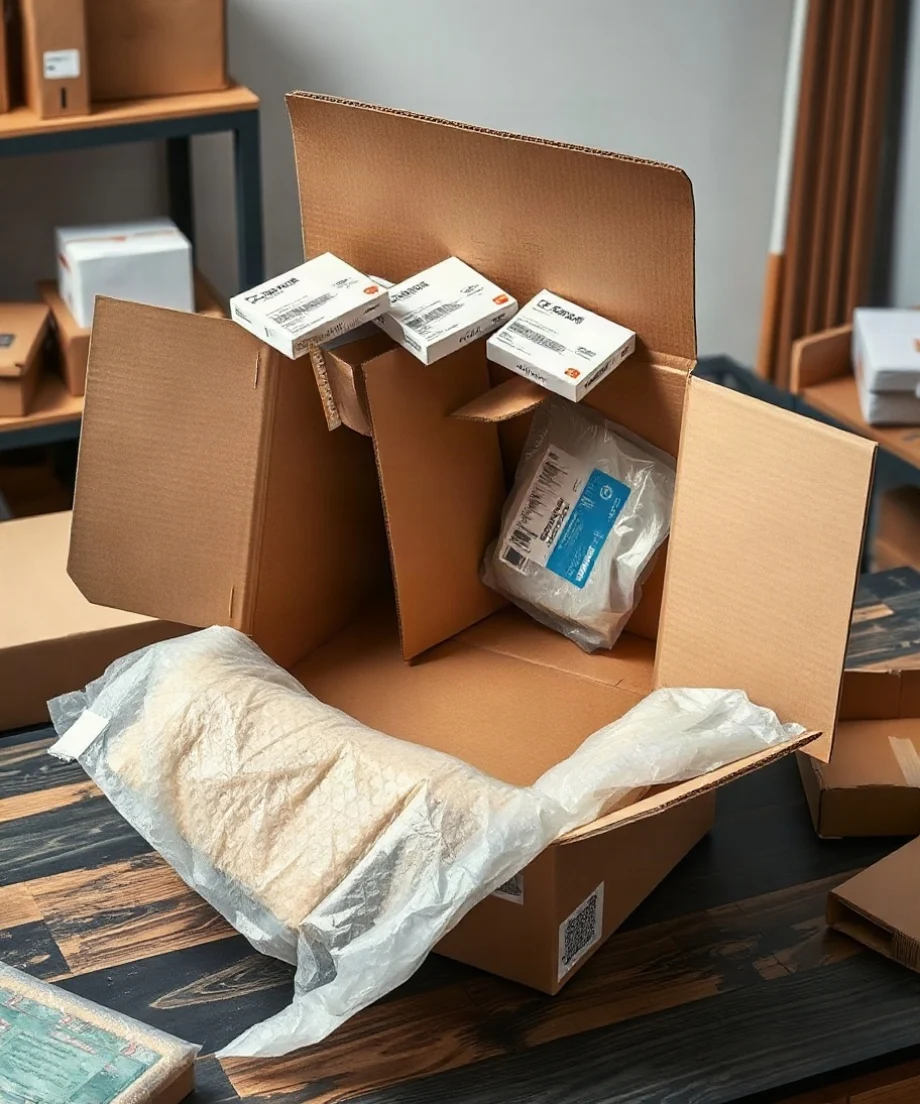
- Protected space contains bubble wrap, foam, molded pulp, air pillows, kraft paper, corrugated inserts, or another material that supports the item.
- Uncontrolled void space allows the item to shift, rattle, tilt, or strike the box walls during handling.
A box can look full and still be poorly packed if the item can move inside it. Conversely, a small visible gap is not necessarily a problem if the product is immobilized and adequately cushioned.
How much space to leave around different products
Use the following ranges as practical starting points, not universal carrier requirements. The final clearance should reflect the product’s shape, weight, fragility, and the cushioning system.
Durable items
Sturdy products such as clothing, books, towels, plastic household goods, and some metal items may need approximately 1 inch of cushioning space around them. The product should not touch the cardboard directly if it could be scratched, dented, or damaged by an impact.
For soft goods that already fill the box and cannot shift significantly, less added cushioning may be appropriate. Avoid compressing soft products so tightly that the box bulges or the flaps will not close flat.
Moderately fragile items
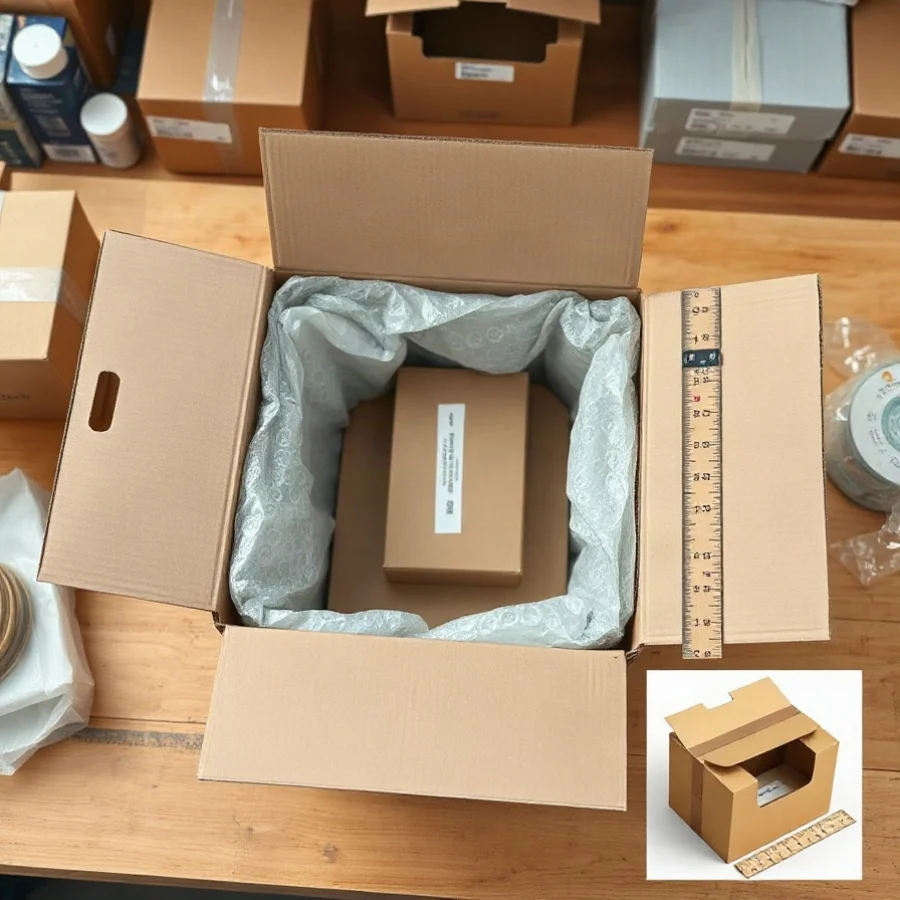
For items such as framed objects, small appliances, boxed cosmetics, or products with easily damaged surfaces, allow roughly 1 to 2 inches of protective material on all sides. Use enough cushioning to keep the item centered and prevent contact with the top, bottom, and side panels.
Very fragile items
Glass, ceramics, delicate electronics, collectibles, and irregularly shaped products often require more space and a more controlled packing design. A 2-inch or greater cushioning layer may be appropriate, especially around corners and areas that are vulnerable to impact. Fragile items may also need an inner box, dividers, molded protection, or a double-boxing method.
Do not rely on a thin layer of loose paper for a heavy or breakable product. Cushioning must be thick enough to remain effective after compression and strong enough to keep the product from reaching the box wall.
How to choose the box size
Start with the product’s actual dimensions, then add the planned cushioning thickness twice for each measurement. The basic calculation is:
Required interior box dimension = product dimension + 2 × cushioning thickness
For example, suppose a product measures 10 inches long, 6 inches wide, and 4 inches high. If you want 1.5 inches of cushioning on every side, the minimum interior space would be:
- Length: 10 + 1.5 + 1.5 = 13 inches
- Width: 6 + 1.5 + 1.5 = 9 inches
- Height: 4 + 1.5 + 1.5 = 7 inches
This gives a target interior size of about 13 × 9 × 7 inches. You may need a slightly larger box if the cushioning is bulky, the item has protruding parts, or the box’s listed dimensions are exterior rather than interior measurements.
For a quick starting point, the Box Size Calculator can help estimate a box based on product dimensions and cushioning space. Always test the actual packed product because materials compress differently.
Measure the inside and outside of the box correctly
Box dimensions are commonly listed as length × width × height. Manufacturers may use interior dimensions, exterior dimensions, or a nominal size that is not an exact measurement. If the fit is close, measure the box yourself.
Interior measurements
Measure the usable space inside the assembled box from inside wall to inside wall. Do not include the thickness of the cardboard. Interior measurements are the most useful when deciding whether the product and cushioning will fit.
Exterior measurements
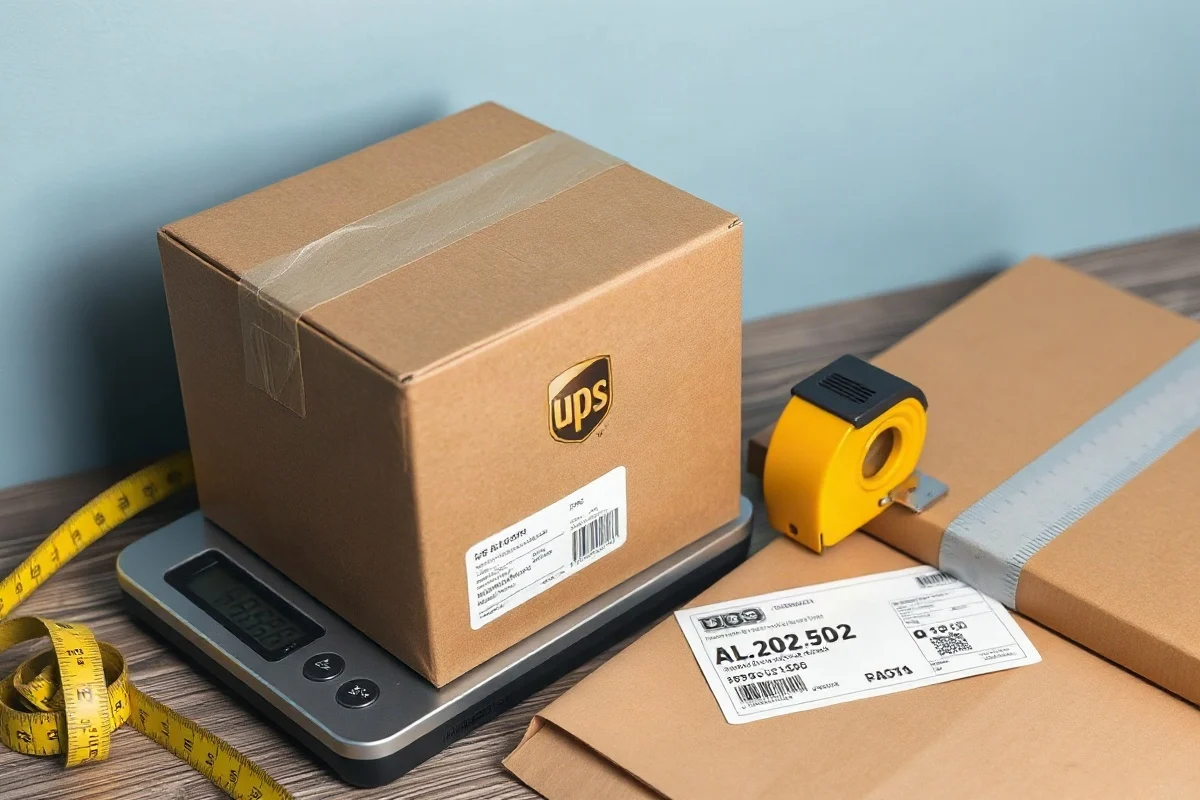
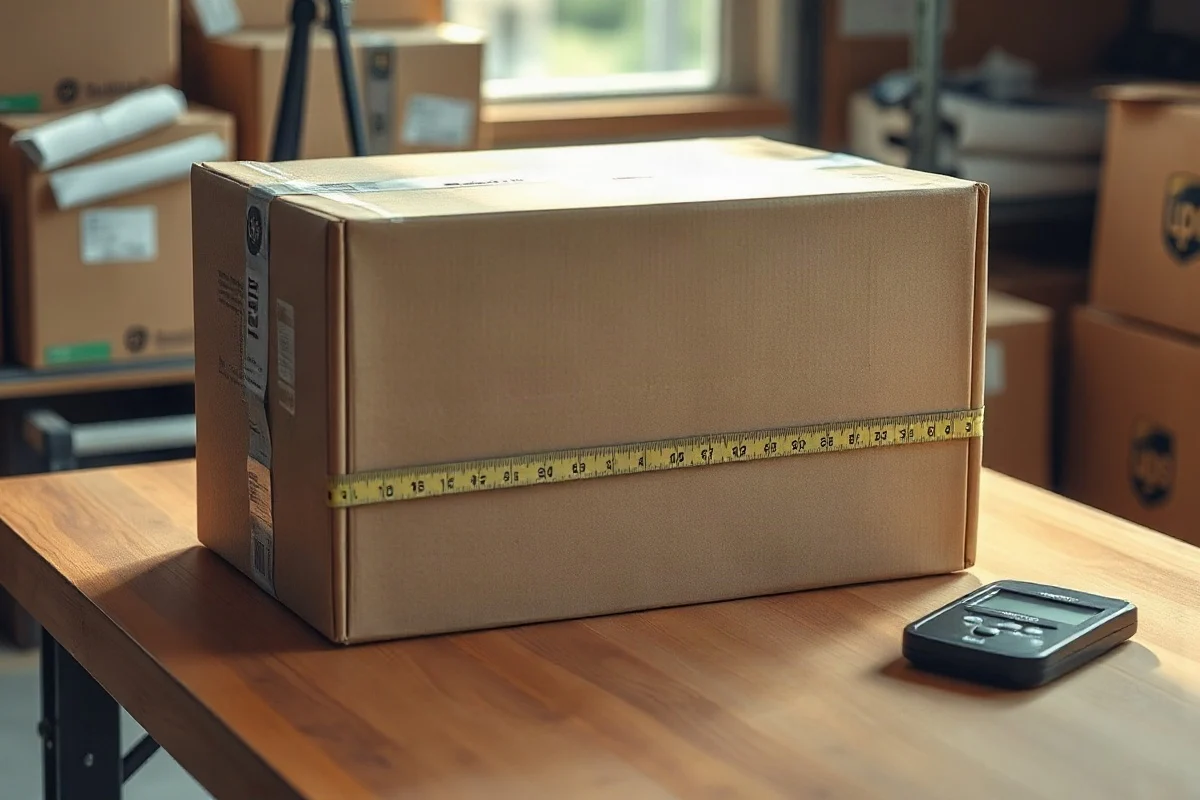
For a shipping label, carrier rating, or dimensional-weight calculation, measure the finished package after it is packed and sealed. Measure the outside of the longest, widest, and thickest points, including bulges, protruding tape, handles, or other features that affect the package’s overall size.
Round measurements according to the current instructions for the carrier and service you are using. Because measurement and billing practices can vary, verify the current requirements with the official carrier before shipping a package that is close to a size threshold.
Why too much empty space can increase shipping cost
A larger box can cost more even when the product is light. Some shipping services use dimensional weight, which estimates the space a package occupies rather than relying only on its scale weight. The exact divisor, rounding method, minimum billable weight, and applicable services can vary by carrier, service level, destination, package type, and date.
The general calculation is:
Dimensional weight = length × width × height ÷ applicable dimensional divisor
Use the current divisor and rounding instructions published for your selected service. Do not assume that one carrier’s formula applies to another. You can also review the Dimensional Weight Calculator and then confirm the result against the carrier’s current pricing information.
Reducing unnecessary box volume can help, but downsizing should never remove the cushioning needed to protect the product. A damaged item can cost more than the additional shipping charge for a properly sized box.
How to pack a box with the right amount of space
1. Protect the product itself
Wrap the item or place it in an appropriate inner container. Cover sharp edges, corners, screens, handles, and other vulnerable areas. If the product has multiple pieces, keep them from striking one another with dividers or individual wrapping.
2. Build a bottom cushion
Place a cushioning layer on the bottom before adding the product. The layer should be thick enough to prevent the item from contacting the cardboard when the box is set down or dropped during ordinary handling.
3. Center the item
Position the product so there is protective space on every side. Heavy items should not be allowed to rest against a corner or a single wall. If the product has an uneven shape, use inserts or formed cushioning to prevent it from tipping.
4. Fill side and top gaps
Add cushioning around the sides, then cover the top before closing the flaps. Use enough material to stop movement, but do not force the flaps upward or create a rounded top. The flaps should meet and seal cleanly.
5. Test for movement
Gently shake the closed box. If you hear or feel the product moving, reopen the box and add or reposition cushioning. A shake test is useful, but it is not a substitute for suitable packaging around fragile or heavy products.
6. Seal and remeasure
Use packaging tape designed for shipping and seal the main seams. Then measure the final package and weigh it. The packed dimensions—not the empty box’s advertised size—are what matter for shipping calculations.
Signs that a box has too much empty space
Your box may be oversized or underfilled if:
- The item slides when the box is tilted.
- You can hear the product hitting the walls during a gentle shake.
- Large areas contain only a thin layer of loose filler.
- The cushioning collapses quickly under light pressure.
- The product sits near one side instead of being supported in the center.
- The box is much larger than necessary after protective material is added.
For a heavy item, excessive empty space is especially risky because the product can build momentum before striking the box wall. Use a smaller box, stronger inserts, or a more durable cushioning system rather than relying on loose filler alone.
Signs that a box is too tight
A box is too small if the product touches the walls, cushioning is compressed nearly flat, the flaps bow upward, or the package cannot be sealed without force. Tight packing can transfer impacts directly to the item and may weaken the box seams.
Do not cut down a box so far that the product loses its protective buffer. If the next available box is substantially larger, improve the internal structure with an inner box, partitions, or fitted inserts instead of leaving the product loose.
When to use an inner box or double box
Double-boxing can be useful for fragile, valuable, heavy, or unusually shaped products. The inner box protects the product, while the outer box creates another cushioning zone. The inner package should still be secured so it cannot shift inside the outer carton.
Double-boxing is not automatically better if both boxes are weak or the product can move between them. Choose boxes with enough strength for the packed weight, keep the inner box centered, and fill the surrounding space with material that will not quickly collapse.
Check current shipping requirements before sending
The amount of empty space needed for protection is a packaging decision, but the final package may also be subject to carrier measurement, weight, and service rules. USPS, UPS, FedEx, DHL, and marketplace fulfillment programs can apply different requirements, and those requirements may change.
Before shipping a package near a size or weight threshold, check the current official rules for the exact carrier and service. Confirm the permitted package dimensions, dimensional-weight method, surcharge conditions, and any restrictions that apply to your destination. The USPS Package Guide offers related planning information, but official carrier documentation should control when a rule or charge is important.
The best shipping box is the smallest practical box that provides a stable protective cushion around the product. Leave enough room for the cushioning system to work—often about 1 to 2 inches on each side—then test the packed box for movement, measure the sealed package, and verify the current shipping requirements before handing it to the carrier.

Comments
0No comments yet. Be the first to share a helpful note or question.
Leave a Comment
Your email address will not be published. Comments are reviewed before appearing on the site.