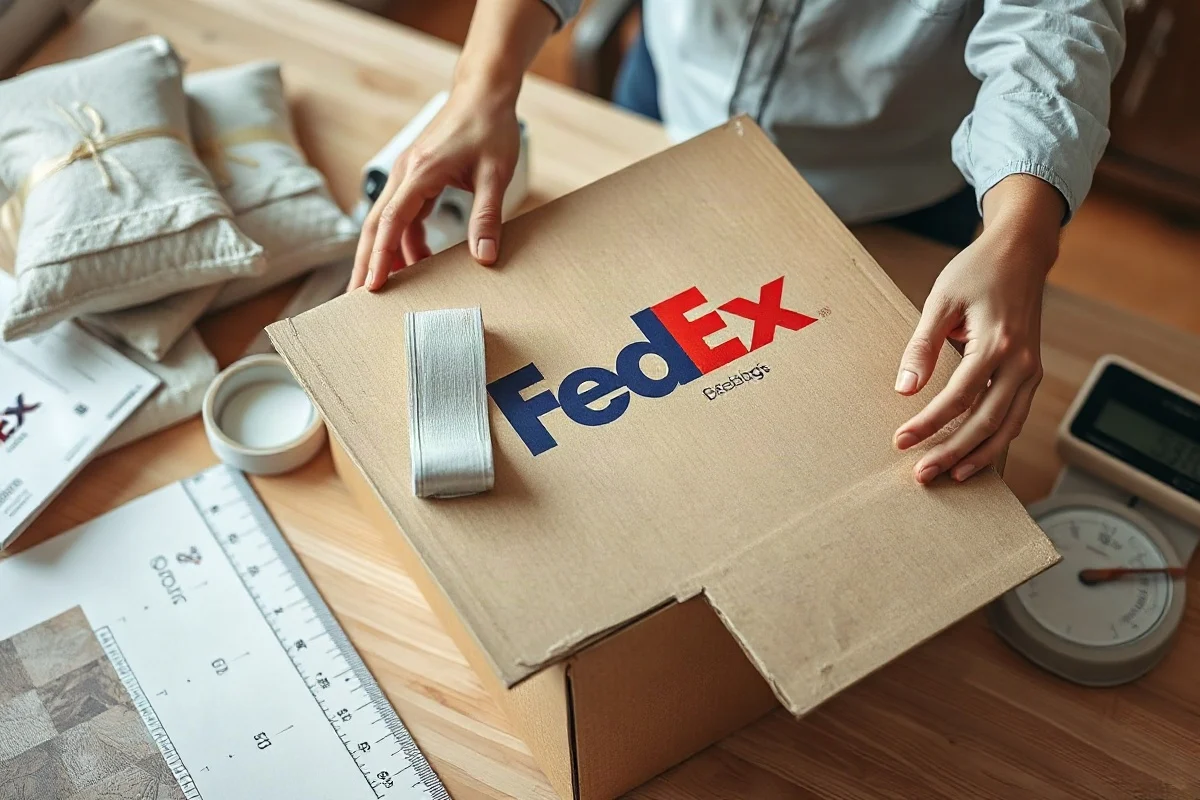
Choose the smallest sturdy box that fits the item, its protective cushioning, and any necessary inserts without forcing the contents inside. A good FedEx shipping box should leave enough room for padding, have strong seams, and be small enough to avoid unnecessary dimensional weight. Before shipping, measure the finished package, weigh it, and check the current FedEx rules and price for your specific service and destination.
Start with the item, not the box
The right box is determined by the packed item, not just by the product’s unwrapped dimensions. Begin by measuring the item at its longest, widest, and deepest points. If the item has handles, protruding parts, an irregular shape, or fragile surfaces, include the space those features require.
Next, decide how much protection the item needs. A durable, compact product may need only a modest layer of cushioning. Glass, ceramics, electronics, framed items, and products with delicate finishes generally need more space for padding and separation from the box walls. If the item can move freely inside the carton, the box is not ready to ship even if its outside dimensions look efficient.
For a quick starting point, compare the product’s measurements with a range of standard cartons using the Box Size Calculator. Treat the result as a planning aid, then confirm that the actual packed box has enough protective material and closes securely.
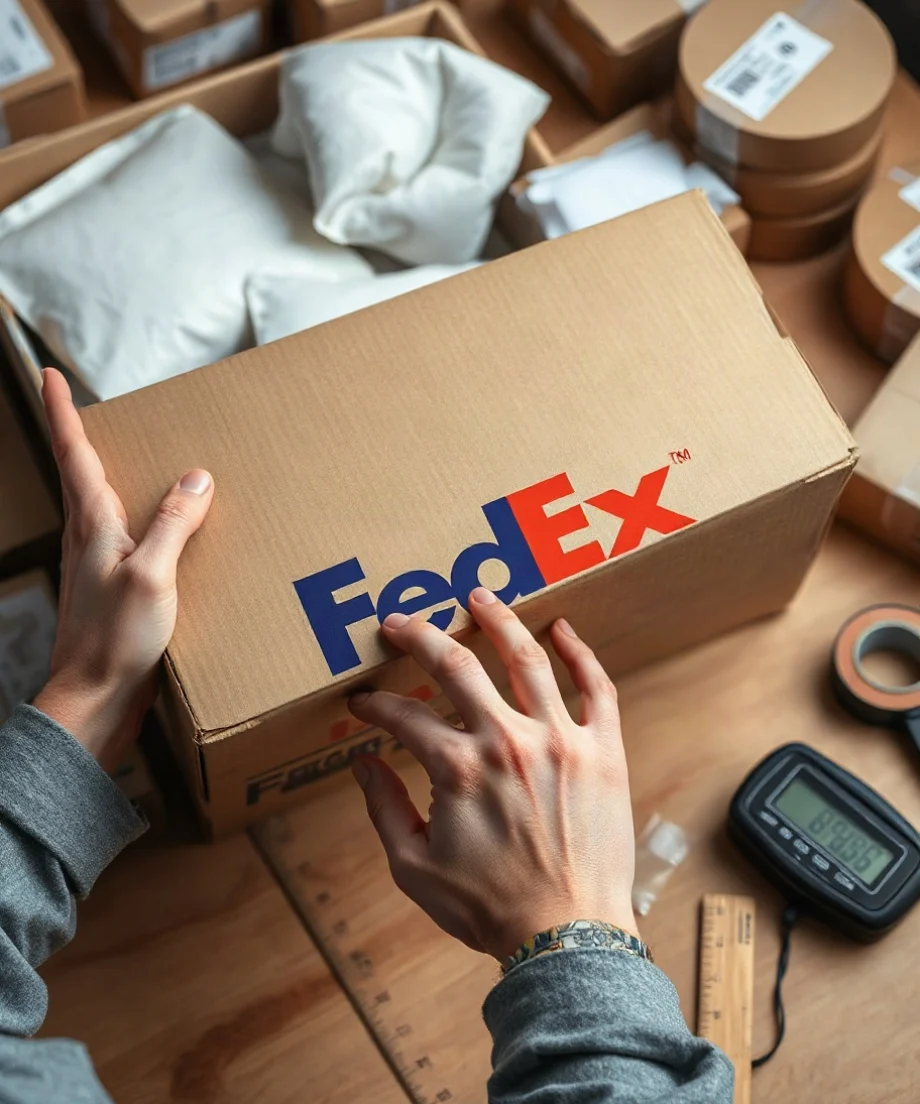
How to calculate the box size you need
Estimate the inside dimensions required by adding clearance for protection to each item dimension:
Required inside length = item length + cushioning clearance
Required inside width = item width + cushioning clearance
Required inside height = item height + cushioning clearance
The clearance does not have to be identical on every side. A flat object may need more protection on its broad faces, while a product with corners may need extra cushioning around those points. For multiple items, account for padding around the outside, separation between items, and any dividers or inner cartons.
Use the box’s usable inside space when selecting a carton, but use the final outside measurements when estimating shipping charges. Manufacturers may list nominal box dimensions that do not exactly match the available interior or the outside size after the carton is assembled. For shipping, the package you hand to the carrier is what matters.

Example: packing a small product
Suppose an item measures 10 by 6 by 4 inches. You plan to use protective material around all sides, with about 1 inch of working space on each side. A box with approximately 12 by 8 by 6 inches of usable interior space may be a reasonable starting point. The actual choice depends on the cushioning thickness, the product’s shape, and how firmly the package can be closed.
Do not automatically select a much larger carton because it is easier to find. Extra empty space increases the amount of filler required and may increase the package’s dimensional weight. A box that is too tight creates a different problem: compressed cushioning provides less protection, and pressure on the product or seams can lead to damage.
Measure the finished FedEx package correctly
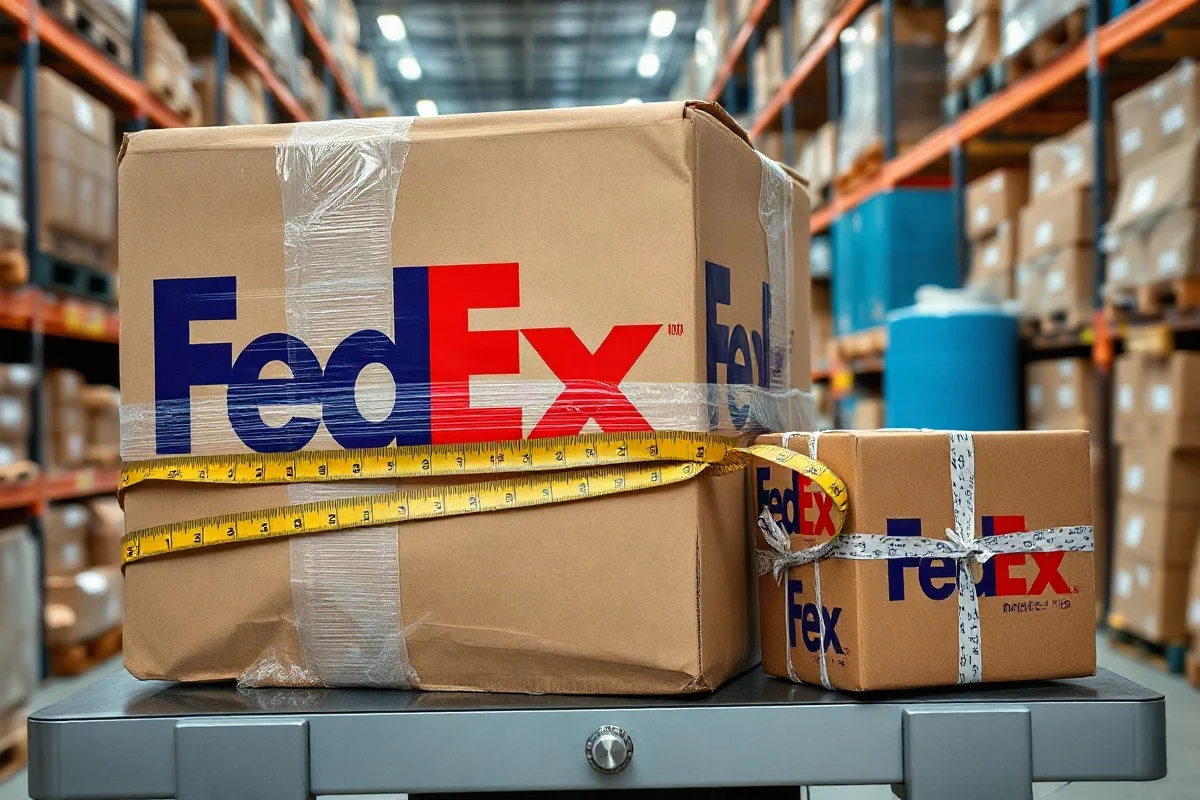
After packing and sealing the carton, place it on a level surface. Measure the outside of the completed package, including any bulges, protruding tape, or uneven sides that affect its overall size. Use the longest measurement as length, the next longest as width, and the remaining measurement as height. Record the measurements in the unit requested by the FedEx rate or shipping tool you are using.
Round measurements consistently and conservatively. If a side is slightly more than a whole inch, do not reduce it simply because most of the carton is shorter. Carrier rating systems may apply their own measurement and rounding methods, and those methods can vary by service or change over time. For a detailed measurement process, see how to measure a package before shipping with FedEx.
Measure again after sealing if the carton has softened, expanded, or developed a bulge. Also check that the box is not resting on a damaged corner that changes the effective dimensions. Accurate measurements help produce a more realistic estimate and reduce the chance that the final carrier assessment differs from your estimate.
Understand dimensional weight before choosing a larger box
FedEx pricing may consider both the package’s actual weight and its dimensional weight. Dimensional weight reflects the space a package occupies in the transportation network. A lightweight but bulky carton can therefore cost more than a compact carton with the same contents.
The general calculation is:
Dimensional weight = length × width × height ÷ the applicable dimensional divisor
The divisor, rounding method, minimum billable weight, and the point at which dimensional weight applies can depend on the service, package type, destination, account arrangement, and current FedEx terms. Because these details can change, do not rely on an old divisor printed in a shipping spreadsheet or online article. Enter the final package measurements into the current FedEx rate tool or confirm the applicable terms before buying a label. You can also compare estimates with the Dimensional Weight Calculator.
To control dimensional charges, reduce unused space without sacrificing protection. A smaller carton, a molded insert, a fitted inner box, or a more efficient arrangement can help. However, removing necessary cushioning is not a useful savings strategy. Damage, returns, and replacement shipments can cost more than the original packaging material.
Select the right type of box
Use a new box when strength matters
A new corrugated carton is usually the safest choice for fragile, heavy, valuable, or moisture-sensitive contents. New cardboard has not been weakened by previous handling, compression, staples, labels, or exposure to humidity. Select a carton with enough strength for the item’s weight and the conditions it may encounter during transportation.
Reuse boxes carefully
A previously used box may be suitable if it remains clean, dry, rigid, and free of crushing, tears, punctures, and separated seams. Remove old shipping labels, barcodes, and markings that could confuse sorting. Do not use a carton that bends easily, has soft corners, or shows damage around the bottom flaps.
Choose a specialized box for unusual items
Long, flat, cylindrical, fragile, or unusually shaped products may need an inner container, edge protection, dividers, or a purpose-built carton. Avoid creating a long narrow package simply because the item can technically fit. The package should remain stable and have enough surface area for a shipping label and handling marks where appropriate.
For a FedEx-branded option, compare the available packaging for the service you plan to use. Carrier-provided packaging can have specific eligibility requirements, and not every packaging type is suitable for every shipment. Confirm the current instructions before using a branded carton or envelope.
Pack the box so the contents stay in place
- Protect the item individually. Wrap the product or place it in an inner container before putting it into the outer carton.
- Cushion the bottom. Add a protective layer before placing the item inside. This helps reduce impact if the carton is set down forcefully.
- Center the contents. Keep the item away from the walls, corners, and seams when practical.
- Fill empty space. Use enough compatible cushioning to prevent movement. Test this by gently shaking the closed but unsealed carton.
- Protect multiple items. Separate products so they cannot strike each other during handling.
- Cushion the top. Add protection above the contents so the flaps can close without pressing directly on the item.
- Seal every seam. Use shipping-grade tape and reinforce the bottom of heavy cartons. Do not depend on household tape or a single narrow strip for a demanding shipment.
After sealing, try to move the contents by gently rotating the package. If you hear or feel movement, open the carton and add protection rather than assuming the label or tape will solve the problem. If the box bows outward, replace it with a larger or stronger carton instead of forcing the flaps closed.
Check FedEx size and service requirements
There is no single box size that is correct for every FedEx shipment. Applicable limits and charges can vary by FedEx service, destination, package type, account, and shipment date. Oversize, unusual-shape, additional-handling, and special-item rules may also affect whether a package is accepted or how it is priced.
Before shipping, verify the current official FedEx information for:
- the service’s maximum package dimensions and weight;
- dimensional-weight calculation and rounding rules;
- additional handling or oversize conditions;
- packaging requirements for special, fragile, restricted, or regulated contents;
- international documentation and destination-specific restrictions; and
- pickup, drop-off, and label requirements.
For related guidance, review FedEx package information and then confirm the current details on FedEx.com or in the shipping platform where you will purchase the label. A guide can explain the process, but the carrier’s current terms control the shipment.
Final box-selection checklist
Before handing over the package, confirm that:
- the carton is clean, dry, rigid, and appropriate for the item’s weight;
- the contents are protected on every side and cannot shift;
- the flaps close flat without bulging or excessive pressure;
- all seams are sealed with suitable shipping tape;
- the outside dimensions are measured after packing;
- the actual weight is recorded accurately;
- the shipping label is attached to a flat, unobstructed surface;
- old labels and barcodes have been removed or covered; and
- the final measurements and weight have been checked against the current FedEx service requirements.
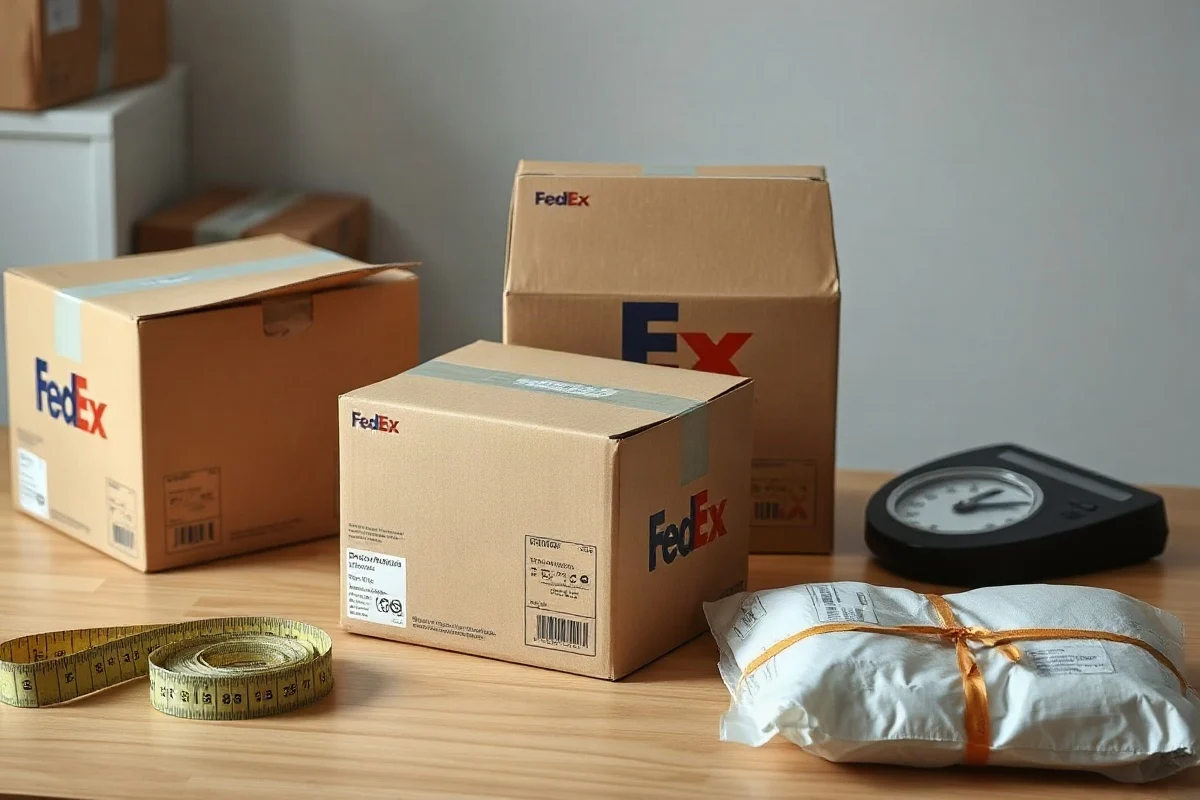
The best box for a FedEx shipment is not necessarily the smallest carton available. It is the smallest practical package that protects the contents, closes securely, and fits the service’s current size, weight, and packaging requirements. Measure the sealed box, compare actual and dimensional weight, and verify the current FedEx rules before you ship.

Comments
0No comments yet. Be the first to share a helpful note or question.
Leave a Comment
Your email address will not be published. Comments are reviewed before appearing on the site.