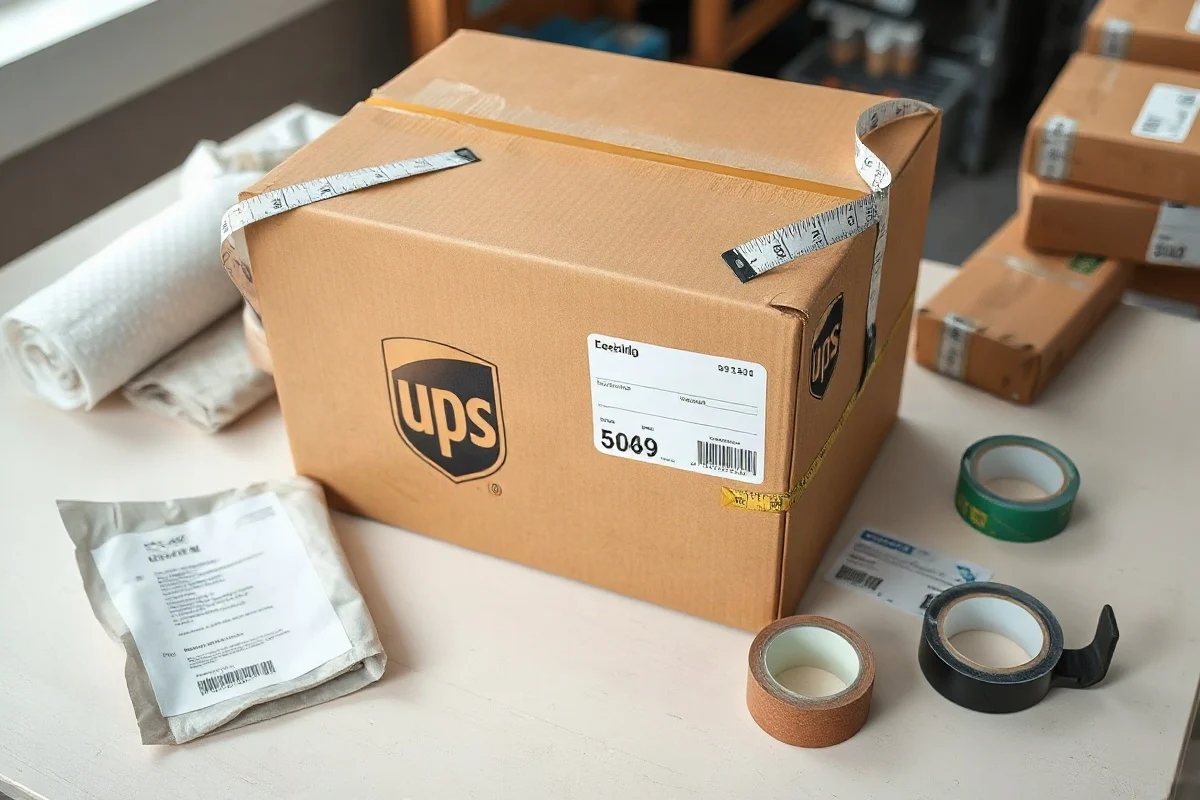
Yes, you can usually use your own box for a UPS shipment. The carton does not have to be a UPS-branded box, as long as it is strong enough for the contents, securely closed, properly labeled, and acceptable for the UPS service you select. Your box may be new, reused, custom-made, or purchased from another retailer. What matters is the package's final outside dimensions, weight, condition, and compatibility with the service and destination.
Before you ship, inspect the box carefully and measure it after packing. A box that looks suitable when empty can become weak, oversized, or difficult to label once it is filled. UPS charges and acceptance rules can vary by service, package type, destination, and current policy, so verify the latest requirements in the official UPS shipping information or rating tools before paying for the label.
What makes a personal box suitable for UPS?
A personal box should protect the contents throughout normal handling and remain closed without bulging, collapsing, or opening. Choose a carton with enough structural strength for the item's weight and the amount of cushioning required. Corrugated shipping boxes are usually more suitable than thin retail packaging, decorative gift boxes, or lightweight storage cartons.
Use a box that is large enough for the item and its protective material, but not so large that the contents can move freely. Excess space increases the need for filler and may increase the package's dimensional weight. A box that is too small can force the flaps upward, compress the product, or leave the corners vulnerable to damage.
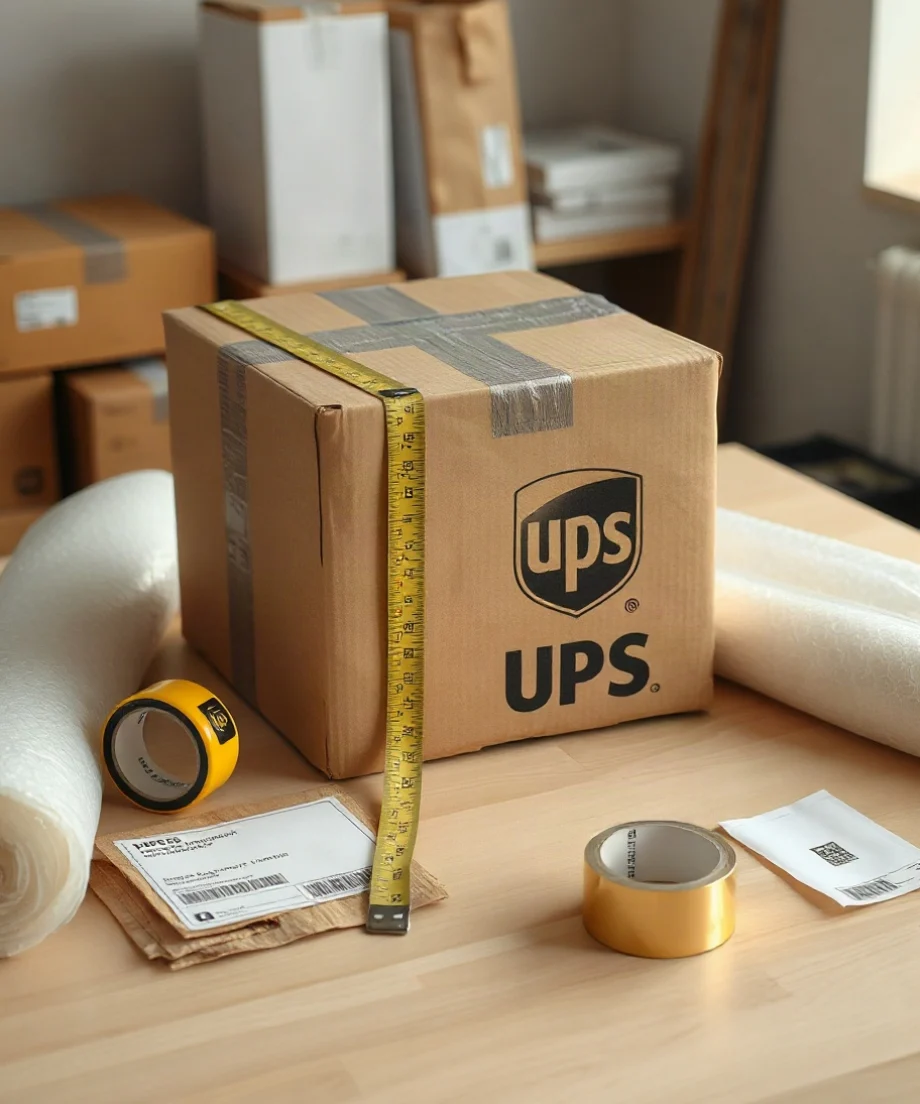
New boxes
A new corrugated box is often the easiest option because it has clean surfaces, intact edges, and no old labels to confuse scanning equipment. Select a carton rated for the packed weight when the manufacturer provides that information. For heavy or fragile items, consider stronger corrugated construction and additional internal protection rather than relying on tape alone.
Reused boxes
You can often reuse a box, but inspect it before packing. Do not use a carton with crushed corners, torn panels, water damage, oil stains, punctures, separated seams, or weakened cardboard. Remove or completely cover old barcodes, shipping labels, address labels, and hazardous-material markings that do not apply to the new shipment. A previous label can cause routing confusion if it remains visible.
Do not assume that a branded product box is a shipping box. A television, appliance, or retail product carton may need an outer shipping box if its surface is too thin, its openings are exposed, or its graphics and labels could create handling problems. When in doubt, place the retail packaging inside a sturdy outer carton.
How to measure your own box
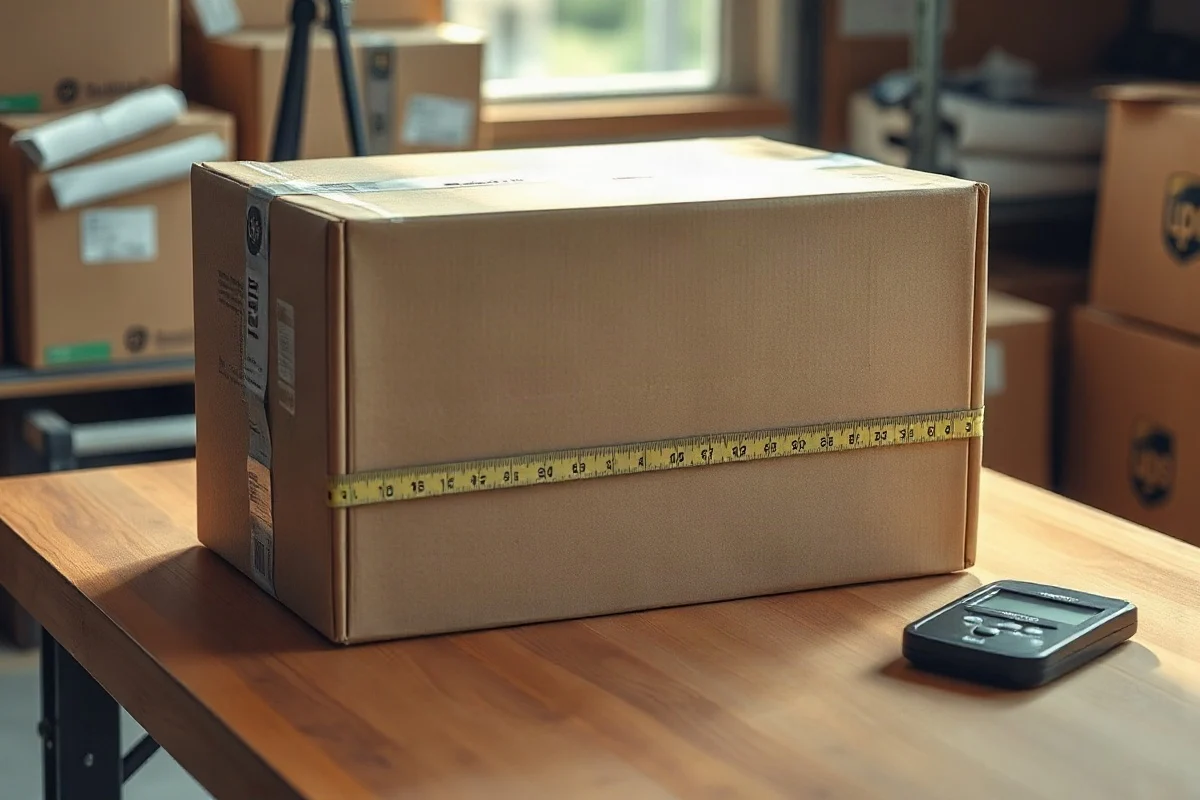
Measure the completed package, not the empty carton. Pack the item, add the cushioning, close the flaps, and then measure the outside dimensions at the longest points. Record the length, width, and height in inches for a typical U.S. shipment.
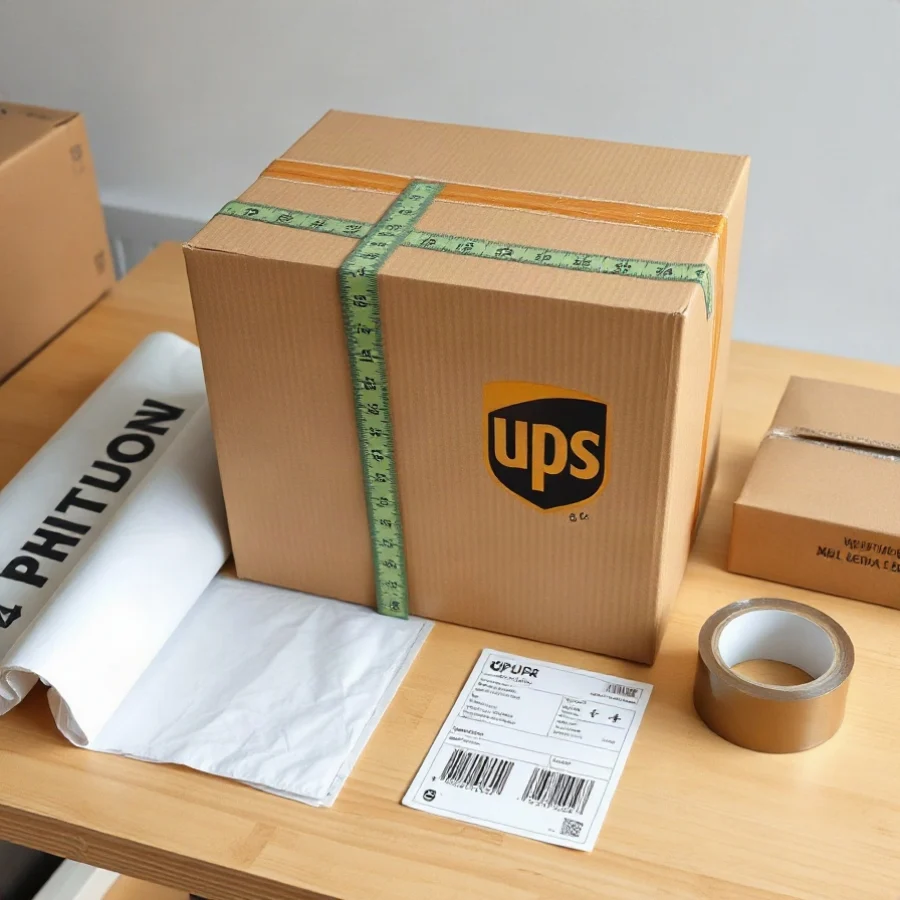
- Length: the longest side of the box.
- Width: the side perpendicular to the length and usually the next longest side.
- Height: the remaining dimension, measured from the base to the top.
Round measurements according to the instructions used by the shipping tool or carrier. Avoid estimating from the manufacturer's nominal box size. A carton described as a certain size may have different inside and outside dimensions, and tape, bulging panels, or uneven corners can change the final measurement.
For practical guidance on taking accurate measurements, see our guide to measuring a package for UPS. If the box is irregular, measure the greatest length, width, and height that the package occupies. Do not compress the carton simply to produce a smaller number.
Check both actual weight and dimensional weight
The package's physical weight is only one part of the shipping calculation. Depending on the service and shipment details, UPS may also evaluate dimensional weight, which estimates the space the package occupies in a delivery vehicle or aircraft.
A common dimensional-weight structure is:
Dimensional weight = (length × width × height) ÷ applicable dimensional divisor
The divisor and rounding method can vary by carrier, service, destination, and current pricing rules. Do not insert a generic divisor into a final cost estimate unless the current UPS rate information confirms that it applies to your shipment. Compare the calculated dimensional weight with the actual weight as required by the applicable rating rules. The billable weight may be based on the greater value or another carrier-defined method.
For a quick estimate, enter the packed dimensions and weight into a dimensional weight calculator, then confirm the result with the current UPS rate quote. The calculator can help you identify an oversized or inefficient carton, but it cannot replace the carrier's live pricing system.
Example of package measurements
Suppose a packed box measures 16 by 10 by 8 inches and weighs 12 pounds. Its volume is calculated as:
16 × 10 × 8 = 1,280 cubic inches
That volume can be used with the applicable UPS dimensional divisor to estimate dimensional weight. If the result is higher than the physical weight, the shipment may be rated using the dimensional figure, subject to the service's current rules. If the package instead measures 24 by 18 by 16 inches, its volume is much greater even if the contents are identical. Reducing empty space may lower the billable weight, but never remove cushioning that the product needs.
How to pack and seal a personal box
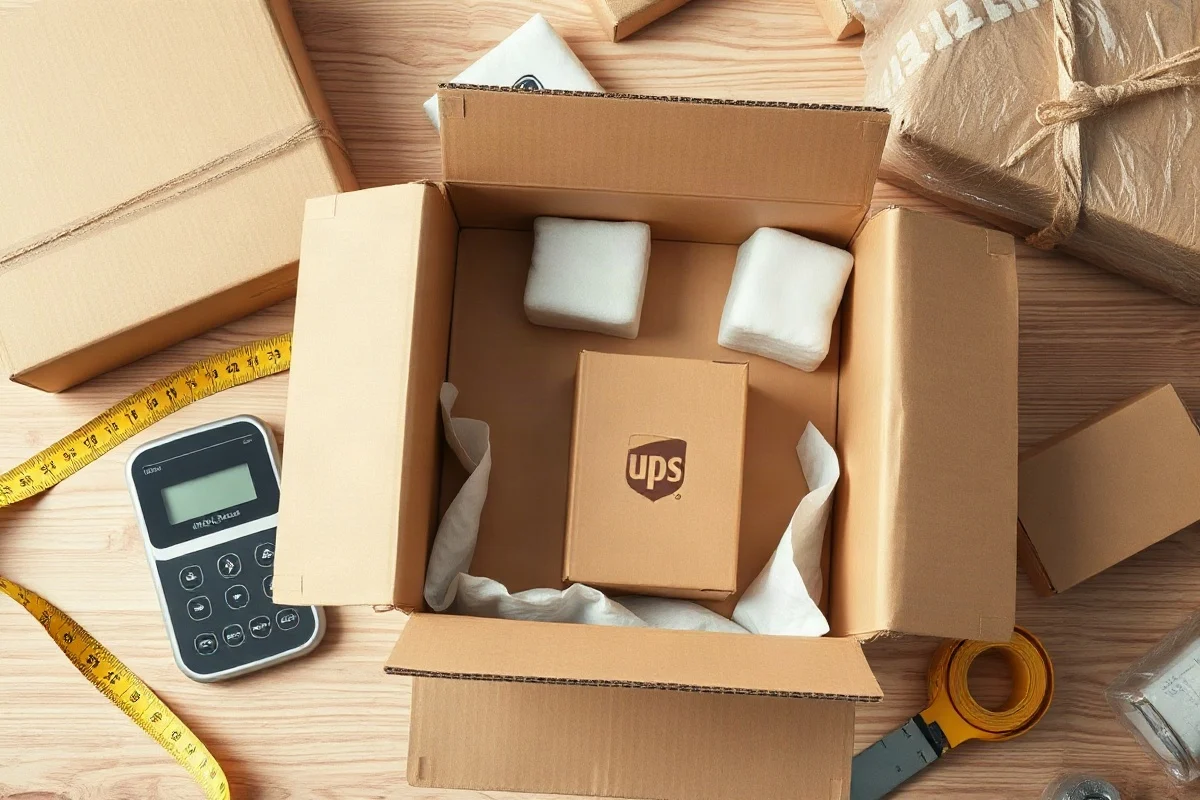
Place a layer of cushioning around the item, especially at the bottom, top, and corners. Fragile objects should not touch the carton walls. If several items share a box, wrap or separate them so they cannot strike one another during handling. Fill open spaces with suitable packing material until the contents do not shift when the closed box is gently moved.
Keep the total packed weight appropriate for the carton. Heavy items can split bottom seams or crush lower layers in transit. If you are packing multiple objects, put heavier pieces on the bottom and lighter pieces above them. For liquids, use leak-resistant inner containers and protect the outside of the package from possible leakage. Some products may have additional transportation restrictions, so check the current UPS requirements before tendering anything regulated, hazardous, perishable, or unusually valuable.
Close all flaps and seal the main seams with strong shipping tape. Apply tape across the center seam and along the edge seams when needed for the carton's construction. Do not rely on household tape, masking tape, string, or decorative ribbon as the primary closure. Avoid wrapping the entire package in paper if the paper can tear, hide the label, or interfere with handling.
Where to place the UPS label
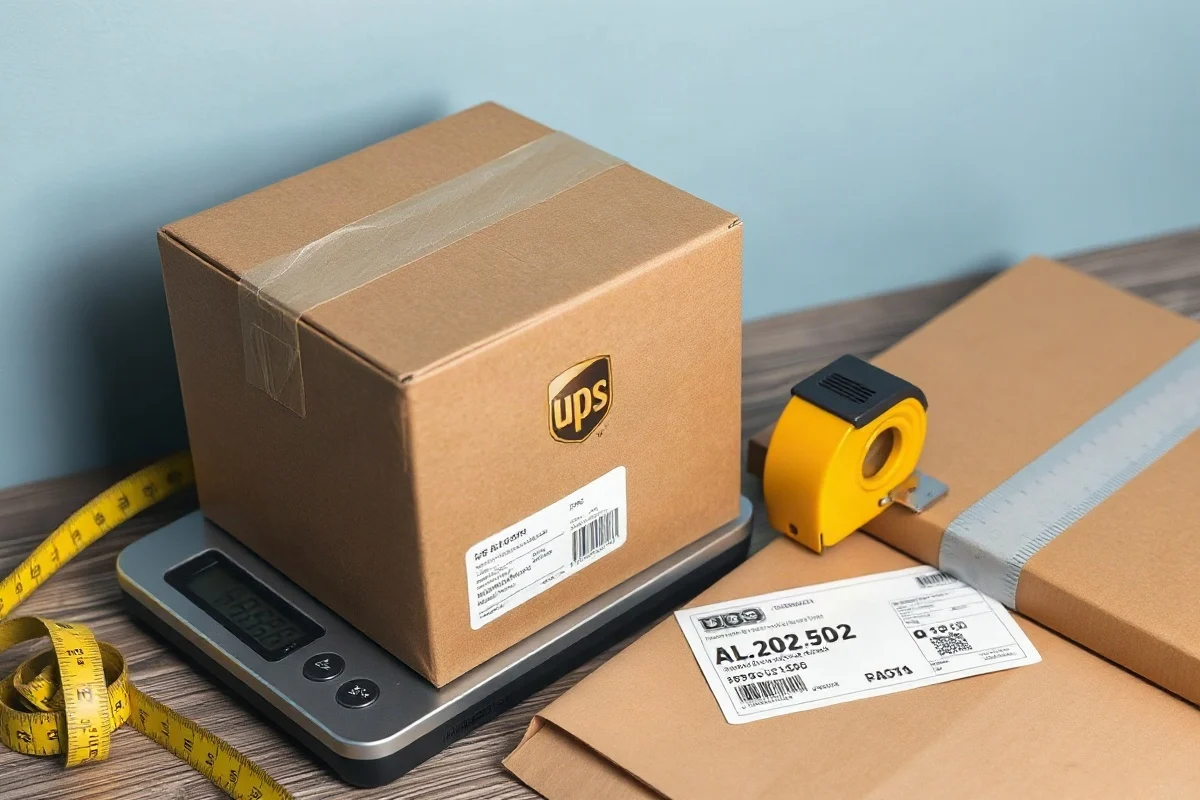
Put the shipping label on the largest flat surface. Keep it away from seams, corners, edges, heavy tape, and curved areas. The barcode should be flat, unobstructed, and easy to scan. Do not place the label over a flap that may be opened, and do not cover the barcode with glossy tape if the reflection could affect scanning.
Remove or cover every old address label and barcode. If the package has special handling or service labels, apply only those that accurately describe the current shipment. Make sure the sender and recipient information in the label matches the shipment details entered during checkout.
When your own box may not be the best choice
A personal box may be unsuitable when it is too weak, unusually shaped, excessively large, or difficult to close securely. A long, narrow, round, or irregular package can require special handling or additional charges depending on current UPS rules. Large or heavy packages may also be subject to service-specific size, weight, or surcharge conditions.
Carrier limits are not universal. They can differ between domestic and international shipments, ground and air services, residential and commercial destinations, and standard packages and special categories. Because limits, fees, and rating rules can change, check the current UPS service documentation and the final quote rather than relying on a general number found in an older article.
If you are unsure which carton is appropriate, compare the packed dimensions with the recommendations in our guide to choosing the right box for a UPS shipment. You can also use the box size calculator to estimate the interior space needed for the product and cushioning.
A final check before handing over the package
- Inspect the box for crushing, moisture, tears, and weak seams.
- Confirm that the contents are cushioned and cannot shift.
- Weigh the fully packed package.
- Measure the outside length, width, and height.
- Remove or cover all old labels and barcodes.
- Apply the new label to a flat, visible surface.
- Check the current UPS service rules for size, weight, contents, and destination.
- Compare the quoted price with the packed dimensions, not the empty box size.
Using your own box can be practical and economical, especially when the carton fits the product closely and remains strong after packing. The key is to treat the box as part of the shipment: measure the finished package, protect the contents, seal it properly, and verify the current UPS requirements before purchasing the label.
Comments
0No comments yet. Be the first to share a helpful note or question.
Leave a Comment
Your email address will not be published. Comments are reviewed before appearing on the site.