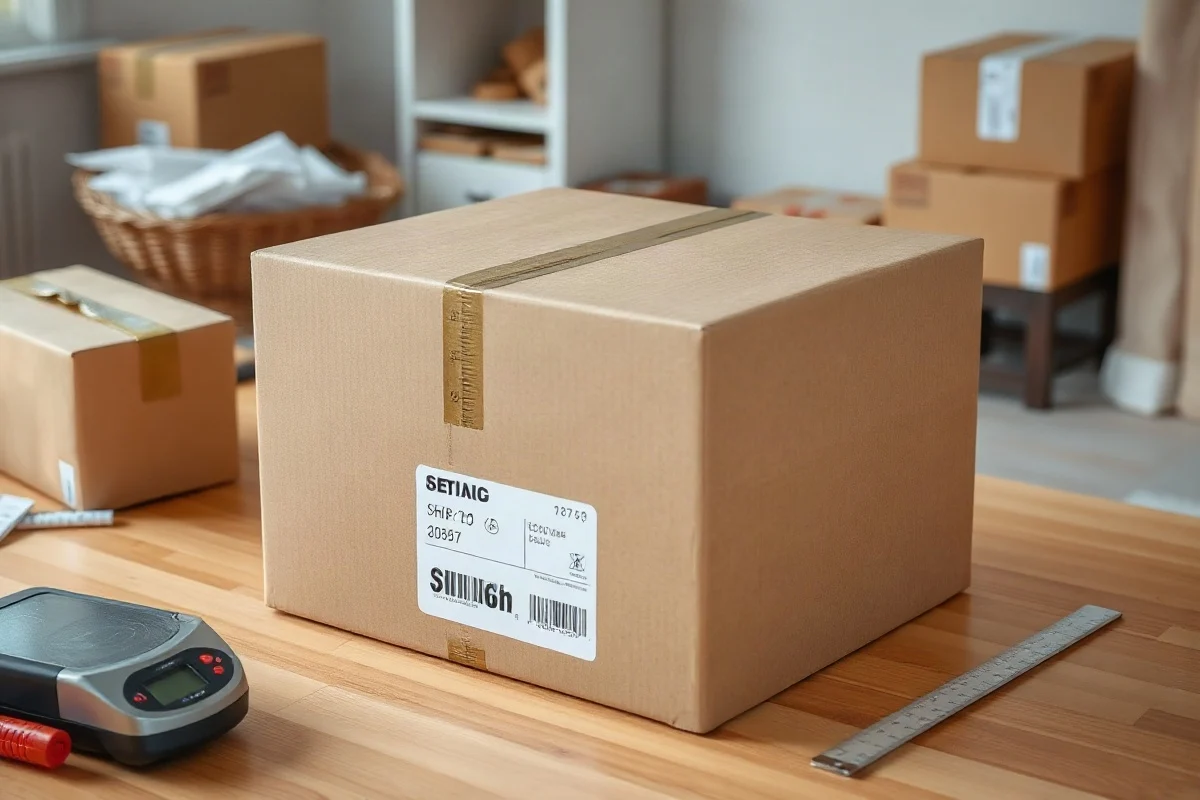
Package dimensions matter because carriers use the size of the completed parcel—not just the product inside—to determine whether it can travel through their network and how it should be priced. A larger package can cost more even when it is light, while an incorrectly measured package can lead to billing adjustments, delays, or rejection under a service’s current rules. Measuring the packed shipment accurately before buying a label is one of the simplest ways to reduce surprises.
What package dimensions include
Package dimensions are the outside measurements of the parcel after it has been packed and sealed. They normally include length, width, and height, written in the order required by the carrier or shipping software. For a rectangular box, measure from the outside edges rather than relying on the manufacturer’s nominal box size.
The final measurements may be different from the box’s listed dimensions. Tape can add a small amount to the outside profile, protective materials can push the flaps outward, and an overfilled carton may bulge. Those details can matter when a package is close to a carrier’s size threshold or when a shipping system rounds measurements before calculating a charge.
Length, width, and height
There is no universal way to orient every irregular package, so use a consistent method and follow the instructions for the carrier and service you are using. For a standard rectangular carton, many shippers identify the longest side as length, the next-longest side as width, and the remaining side as height. The important point is to record the parcel’s actual exterior dimensions in the units requested by the shipping system.
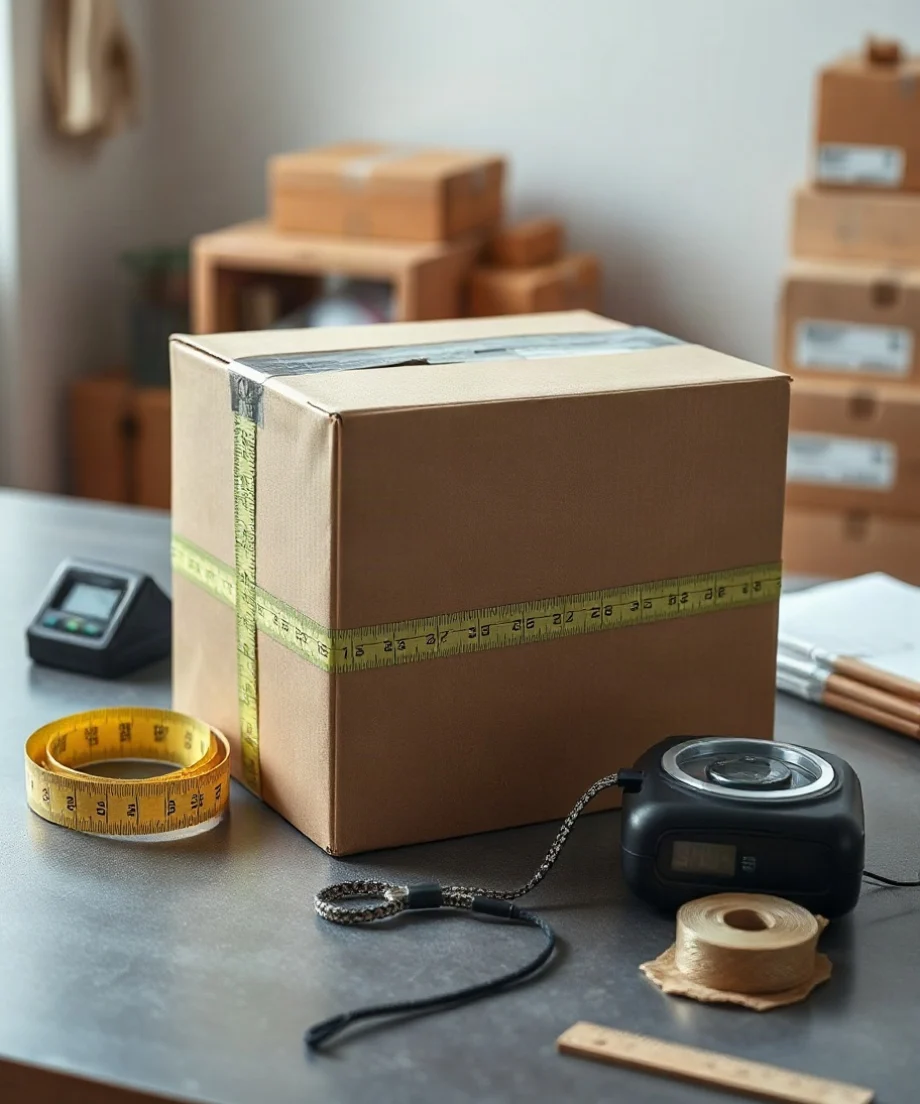
Do not measure only the empty carton. The shipment that matters is the finished parcel, including padding, inner boxes, protective corners, stretch wrap, and any other material that changes its outside size. If a package has an unusual shape, ask the carrier or shipping platform how it treats that shape before purchasing postage.
Why size can affect shipping cost
Shipping charges may depend on several factors, including actual weight, package dimensions, destination, service level, package type, delivery speed, surcharges, and the rules in effect when the label is created. The exact pricing method varies, so a light parcel is not automatically inexpensive to ship.
One important concept is dimensional weight, sometimes called volumetric weight. It converts package volume into a billable-weight figure. A carrier or shipping service may compare that figure with the package’s actual weight and use the applicable result for pricing. The formula often follows this general structure:
Dimensional weight = length × width × height ÷ applicable dimensional divisor
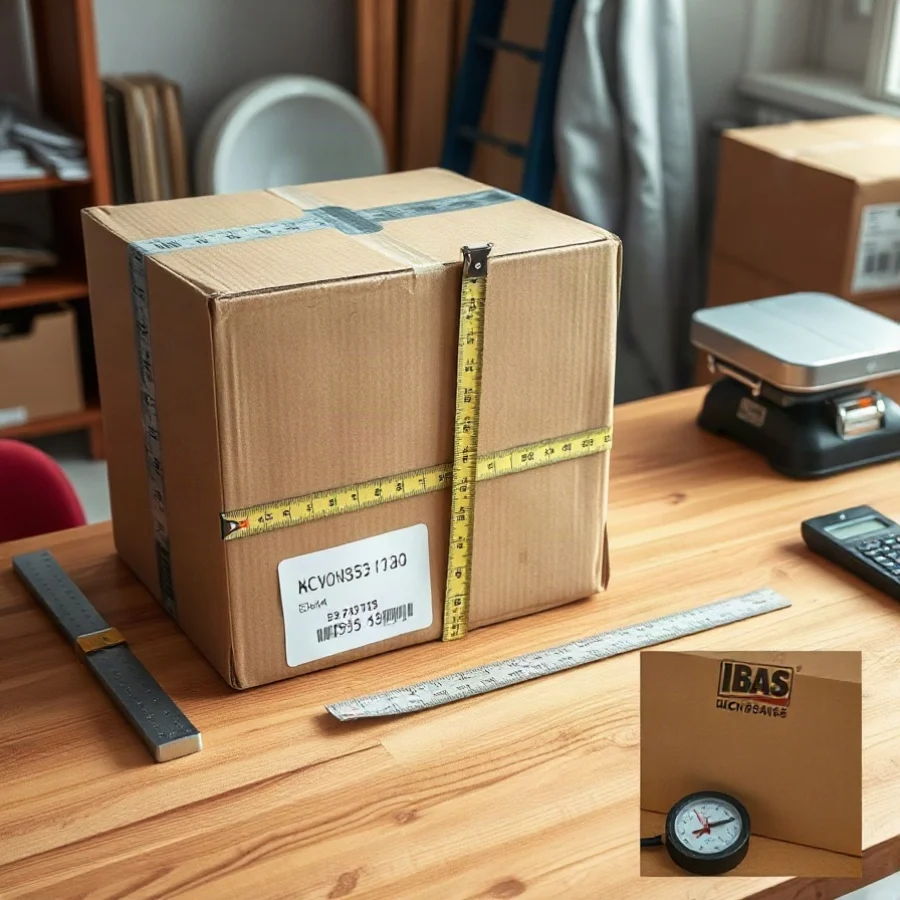
The divisor is not universal. It can vary by carrier, service, destination, package type, unit system, and current pricing terms. Some services may also apply rounding rules or additional conditions. For that reason, do not assume that a divisor found in an old article or shipping calculator applies to every shipment. Check the current official carrier terms or the rate displayed by your shipping platform.
For example, imagine a carton measuring 18 by 12 by 10 inches. Its volume is 2,160 cubic inches. That volume can be used in a dimensional-weight calculation, but the final result depends on the divisor and rounding rules for the specific service. If the carton is redesigned to 16 by 10 by 8 inches, its volume falls to 1,280 cubic inches. The product has not changed, but the smaller exterior can reduce the amount of space the shipment occupies in transit.
You can compare possible carton sizes with the Dimensional Weight Calculator, but verify the result against the carrier’s current terms before relying on it for a high-volume or high-value shipment.
How to measure a package correctly
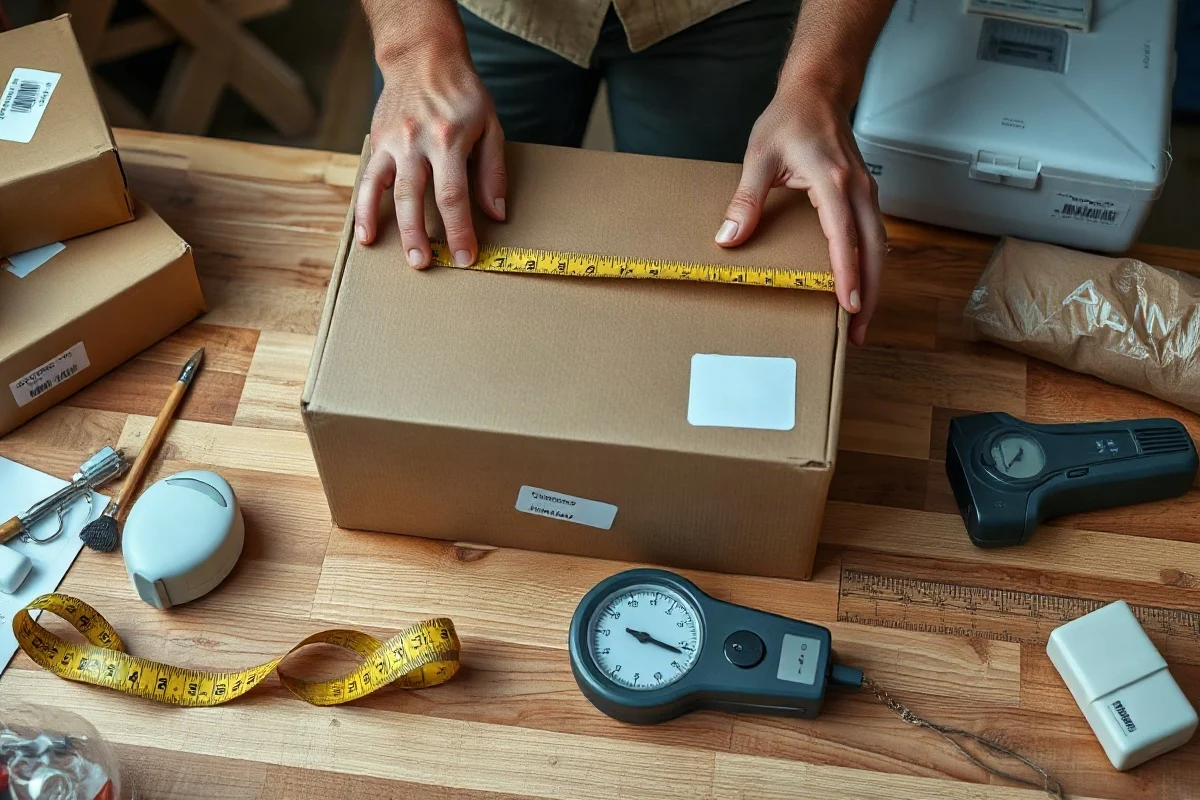
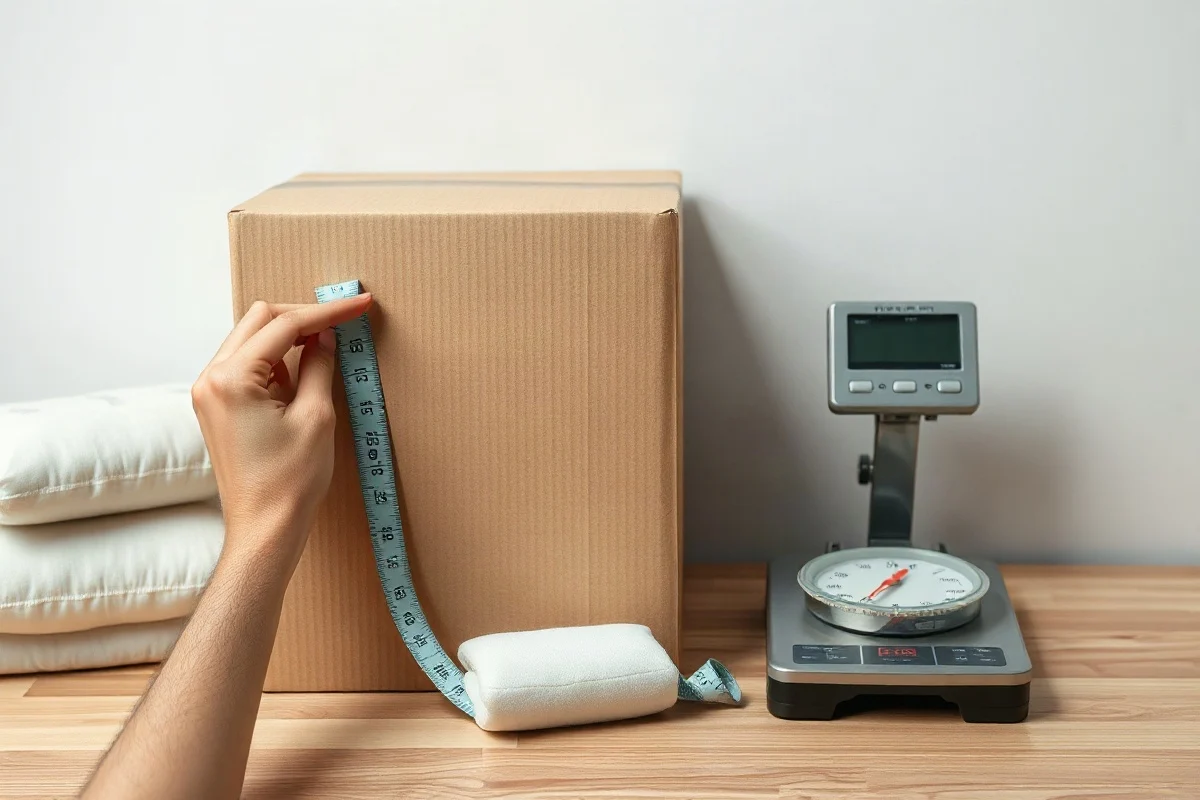
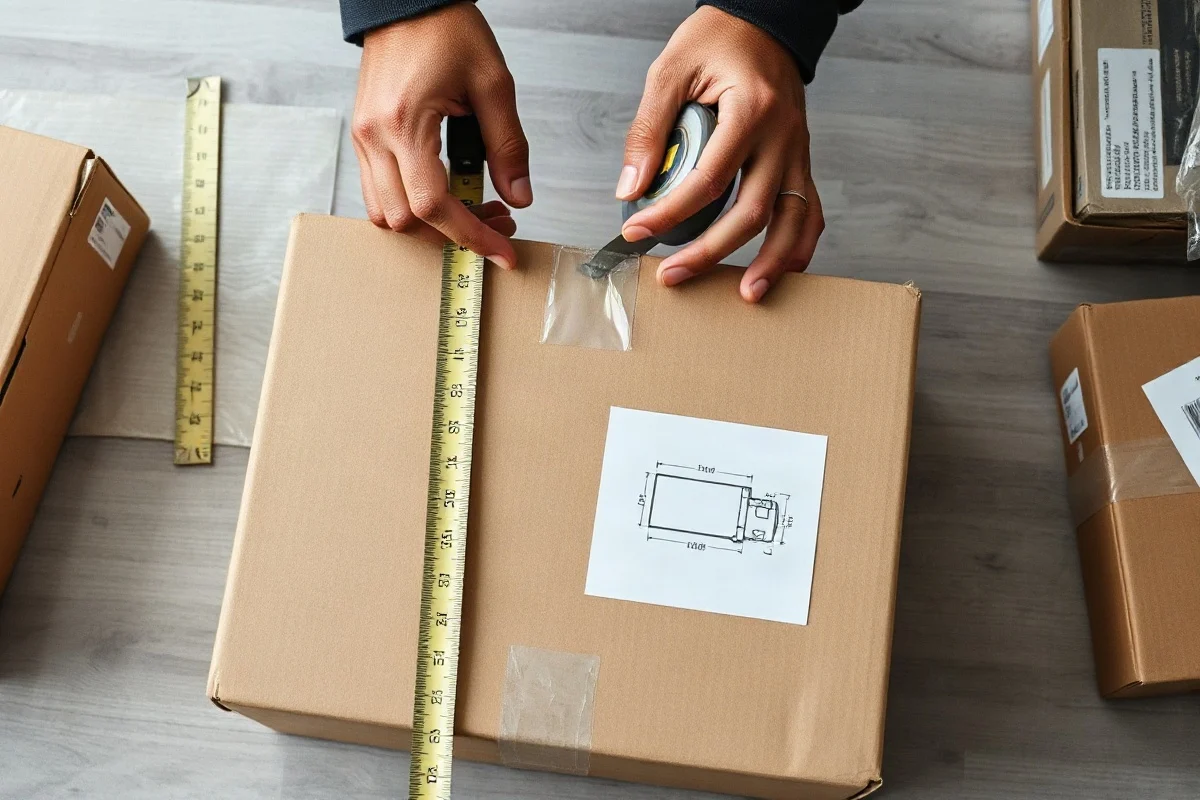
Accurate measurement does not require specialized equipment, but it does require a repeatable process. Use a rigid ruler, tape measure, or shipping scale with a measurement function. Measure on a flat surface and record the dimensions before entering them into a label system.
For a rectangular box
- Pack the product and close the box as it will travel.
- Place the box on a level surface.
- Measure the longest outside side from edge to edge.
- Measure the next side across the top or base.
- Measure the remaining side from the bottom to the highest outside point.
- Record the measurements in the requested unit, such as inches or centimeters.
- Weigh the sealed parcel separately and keep the measurements with the shipment record.
When the box is slightly uneven, use the measurement that represents the parcel’s maximum exterior size rather than compressing the carton to obtain a smaller number. If a parcel has a protruding handle, rounded section, strap, or other feature, determine whether the carrier treats that feature as part of the package dimensions.
For soft packs and irregular parcels
Soft mailers can change shape when filled. Measure the parcel after inserting the contents and closing the opening. Avoid forcing the package flat if it will expand again during handling. For cylindrical, triangular, heavily padded, or otherwise irregular shipments, use the carrier’s current measurement guidance. Different services may handle nonrectangular packages differently, and a package that fits one service’s requirements may not qualify for another.
Dimensions and carrier size limits
Carriers may set limits for maximum length, combined dimensions, weight, package girth, or other characteristics. These limits can differ by carrier, service level, destination, account terms, and package type. Oversize handling may also be priced or defined differently from one service to another.
Because these rules can change, avoid treating a single number as a permanent industry standard. Before shipping a large or unusual parcel, review the current official requirements for the selected service. Confirm the permitted dimensions, maximum weight, measurement method, surcharge conditions, and whether the destination changes the rule.
Carrier-specific guidance can be useful when planning shipments. Package Size Guide provides separate resources for USPS package requirements, UPS package guidance, and FedEx package information. These resources can help you identify what to verify, but the carrier’s current official page and the terms shown during label purchase should control when details conflict.
How package dimensions affect packaging decisions
Good packaging protects the contents without leaving unnecessary empty space. A box that is too small can crush the product or put pressure on the seams. A box that is too large may require extra filler, take up more vehicle and warehouse space, and increase the possibility of dimensional pricing.
Start by measuring the product, including any parts that could be damaged by contact with the carton. Add enough clearance for cushioning on all sides. The required clearance depends on the product’s fragility, shape, weight, and the protective material being used. A delicate item may need more space than a durable item of the same size.
Practical ways to reduce wasted space
- Choose a carton that fits the product and its protective material without excessive empty space.
- Use a smaller inner package when the outer shipping carton must provide additional protection.
- Trim or fold protective material so it does not create unnecessary bulges.
- Keep heavy items centered and prevent movement with suitable cushioning.
- Use strong tape across every required seam without wrapping the box in layers that change its profile.
- Test the sealed package before creating the label, especially for products shipped repeatedly.
Do not reduce dimensions by removing protection that the product needs. A lower shipping charge is not a benefit if the contents arrive damaged. The goal is an efficient package that balances product safety, handling strength, and exterior size.
Common measurement mistakes
Several small errors can create larger shipping problems. One common mistake is entering the product dimensions instead of the packed dimensions. Another is using the box manufacturer’s interior dimensions when the shipping system expects exterior dimensions. Measuring before the box is sealed can also underestimate the final size.
Rounding is another source of errors. If a platform asks for whole numbers, follow its stated instructions rather than choosing a smaller number to reduce the apparent package size. Never round down a measurement that would make the parcel appear smaller than it is. A carrier audit may use its own equipment and measurement rules.
Shippers also sometimes reuse old package profiles after changing the product, padding, or carton supplier. Review saved package templates regularly. A small change in one dimension can alter volume, dimensional weight, or eligibility for a service.
A simple pre-shipment checklist
Before buying postage, confirm the following:
- The item is packed and the parcel is fully closed.
- Length, width, and height represent the outside of the completed package.
- The weight is for the complete shipment, including packaging.
- The measurements use the units required by the label system.
- The selected service accepts the package’s dimensions, weight, shape, and destination.
- The dimensional-weight method and any applicable rounding are current for that service.
- The address, delivery option, and package type are correct.
- Any unusual shape or oversize condition has been checked against the carrier’s current official guidance.
For repeated shipments, save verified package profiles and periodically compare them with a physical sample. A Box Size Calculator can help compare carton options during packaging design, while a shipping platform can provide the final service-specific quote. Always use current carrier information for the final decision.
Why accurate dimensions improve shipping operations
Reliable measurements help more than a single shipment. Businesses can forecast costs more accurately, choose packaging inventory more efficiently, and identify products that need a redesigned carton. Accurate package data also makes it easier to compare services without confusing a product’s size with the shipment’s actual size.
For individuals, the benefit is simpler: you are less likely to pay for a package that was measured incorrectly or discover that a parcel does not qualify for the service you selected. Measure the sealed shipment, use the current rules for the chosen carrier, and select the smallest safe package. Those habits make shipping more predictable without sacrificing protection.
Comments
0No comments yet. Be the first to share a helpful note or question.
Leave a Comment
Your email address will not be published. Comments are reviewed before appearing on the site.