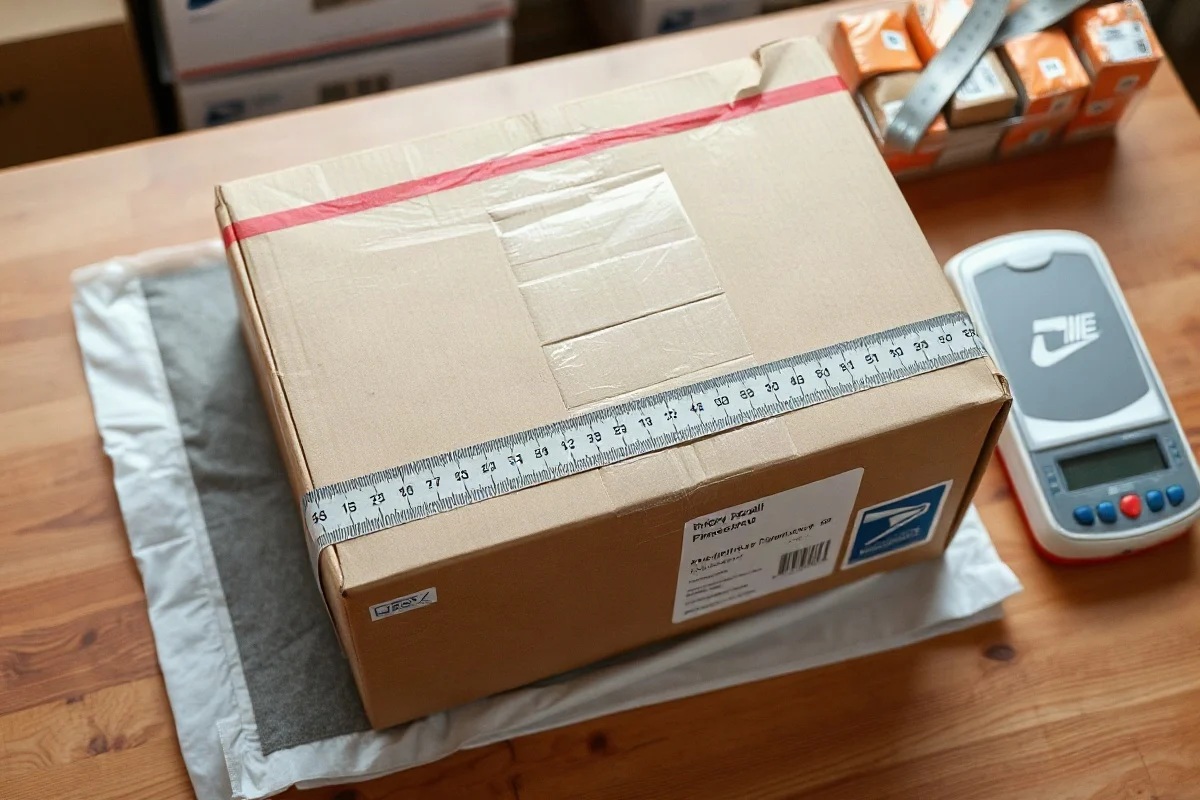
For domestic USPS Priority Mail Express shipments, the commonly published maximum weight is 70 pounds, but the package must also meet USPS size, shape, packaging, and destination requirements. The exact dimensional rules can vary by mail class, package type, and destination, so check the current USPS service standards and pricing tools before sending an unusually large, heavy, irregularly shaped, or international package.
The safest approach is to measure the completed package, including the box, cushioning, tape, and any other material attached to it. Then weigh that sealed package and compare the results with the current USPS requirements for the specific Priority Mail Express product you plan to buy.
What to Check Before Using Priority Mail Express
Priority Mail Express is a time-sensitive USPS service, but the delivery commitment and available options may depend on the origin, destination, acceptance time, calendar date, and package type. A package that fits physically may still be ineligible for a particular service option or destination.
Before printing a label, confirm these details:
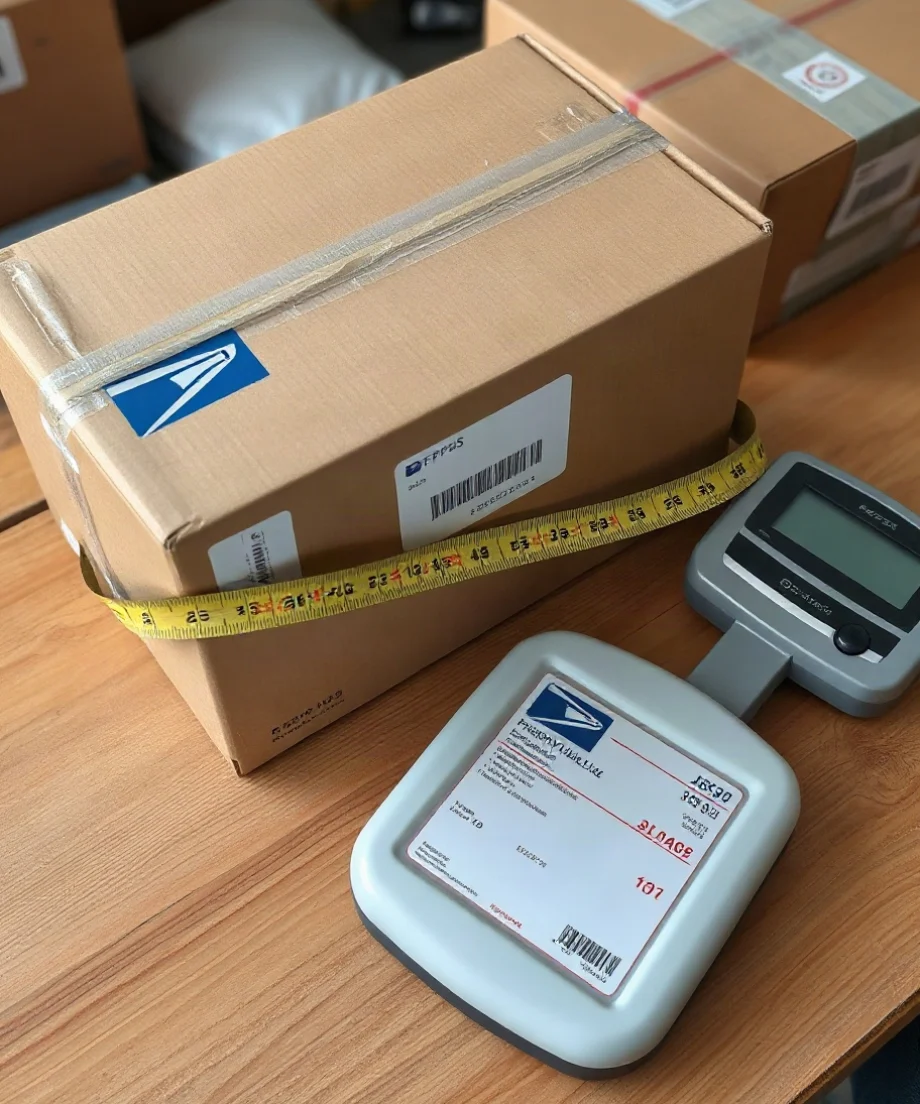
- The package weighs no more than the current maximum for the selected Priority Mail Express service.
- The length and total size meet the current USPS limits for the destination and package category.
- The box is strong enough for its contents and properly sealed.
- The address, ZIP Code, and return address are complete and readable.
- The contents are allowed under USPS mailing rules.
- The selected label or postage option matches the actual package dimensions and weight.
USPS rules and prices can change. For a current shipment, use the official USPS calculator, the latest USPS Domestic Mail Manual provisions, or ask a USPS employee to confirm eligibility before payment. Package Size Guide's USPS shipping resources can help you organize the measurement process, but the current USPS source controls.
How to Measure a Priority Mail Express Package
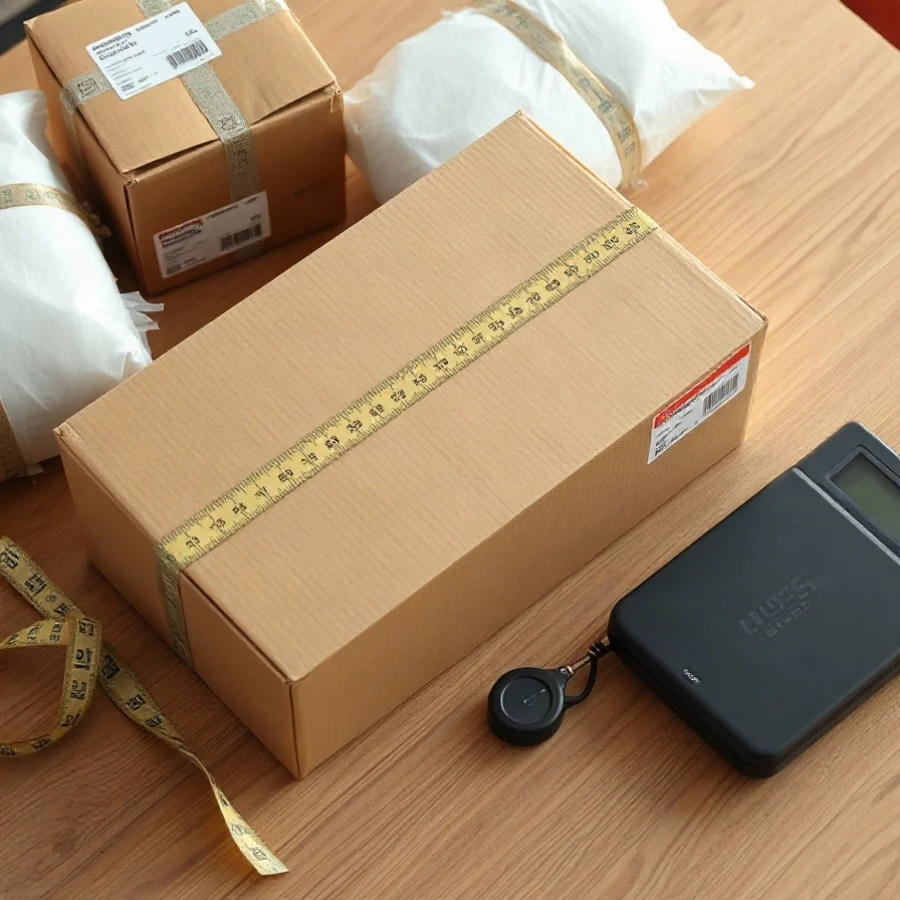
Measure the final sealed package, not the product before it is packed. Use a rigid ruler or tape measure and round up to the next whole inch when the package falls between measurements. Measuring before packing can produce an inaccurate postage calculation because cushioning and outer packaging add both size and weight.
Measure length, width, and height
For a rectangular box, identify the three outside dimensions:
- Length: the longest side of the box.
- Width: the side perpendicular to the length and usually the second-longest side.
- Height: the remaining side.
Measure from the outside edges. Do not measure only the interior space printed on the box. Include bulges, protruding closures, or oversized wrapping that changes the package's maximum dimensions. If the box is soft-sided or irregular, measure the package in the condition in which it will be presented to USPS.
For a standard rectangular box, the usual girth calculation is:
Girth = 2 × width + 2 × height
When a USPS rule uses length plus girth, calculate:
Length plus girth = length + 2 × width + 2 × height
Do not assume that every Priority Mail Express package is judged by the same formula. USPS may apply different requirements to parcels, tubes, rolls, envelopes, international items, and other categories. Use the formula only when it applies to the service and package type you are checking.
Priority Mail Express Weight Limit
The commonly published domestic maximum for USPS Priority Mail Express is 70 pounds. That figure is a maximum, not a recommended target. A heavy package still needs a suitable box, strong seams, internal protection, and a label that reflects the actual packed weight.
Weigh the package after sealing it. A household bathroom scale may be adequate for a large shipment, but it may not be accurate enough for a small parcel. For better results, use a shipping scale that displays ounces or grams. If the scale shows pounds and ounces, record the complete reading rather than estimating.
For example, a package weighing 8 pounds 11 ounces should not be entered as 8 pounds. Depending on the postage system, the weight may need to be entered in pounds and ounces or converted to a decimal value. If the system requires decimal pounds, convert ounces using this formula:
Decimal pounds = whole pounds + ounces ÷ 16
Thus, 8 pounds 11 ounces equals 8.6875 pounds. Follow the rounding and entry instructions shown by the USPS postage system you are using. If the package is close to the maximum, reweigh it after adding the label and any final tape.
How Dimensional Weight Can Affect the Shipment
A large, lightweight box can occupy more transportation space than its actual weight suggests. Some postal and commercial shipping services use dimensional weight or another pricing rule for qualifying packages. The calculation generally compares actual weight with a volume-based weight, and postage is based on the applicable result under the current service rules.
A common dimensional-weight structure is:
Dimensional weight = length × width × height ÷ applicable divisor
However, do not insert a divisor from another carrier or an old chart into a USPS calculation. The divisor, minimum dimensions, rounding method, and eligibility rules can vary by service and may change. If USPS applies dimensional pricing to your package, use the current divisor and instructions displayed in the official USPS postage tool or applicable USPS documentation.
You can reduce dimensional exposure by choosing a box that fits the item closely while leaving enough room for protective material. Avoid placing a small item in a much larger box simply because the larger carton is available. A smaller package may also be easier to handle and less likely to shift internally.
Choosing a Box for Priority Mail Express
Use a clean, rigid corrugated box that is appropriate for the contents. Reusing a box can work if it remains structurally sound, but remove or completely cover old labels, barcodes, addresses, and hazardous-material markings that could cause confusion.
The box should have:
- Intact panels without crushing, water damage, or soft spots.
- Seams that can be closed securely with suitable packing tape.
- Enough internal space for cushioning without forcing the flaps open.
- No large gaps that allow the contents to move during handling.
- A flat surface large enough for the shipping label when possible.
USPS-branded Priority Mail Express packaging may be available through USPS, but availability, permitted uses, and ordering options can change. Do not assume that any USPS-branded box can be used for every service or destination. Confirm the packaging instructions for the label you are purchasing.
Practical Packing Steps
1. Protect the contents individually
Wrap fragile items separately so they cannot strike one another. Use cushioning around the sides, top, and bottom. For liquids, use a leak-resistant inner container and enough protection to reduce the risk of damage if the outer box is handled roughly. Follow current USPS restrictions for liquids, batteries, perishables, and other regulated contents.
2. Fill empty space
After placing the item in the box, gently shake it. If the contents slide, add cushioning until movement is minimized. Do not compress soft material so heavily that it stops protecting the item, and do not leave the product touching the box walls when the item needs impact protection.
3. Seal every opening
Close all flaps and apply pressure-sensitive packing tape across the center seam and edge seams as needed. Avoid relying on string, household gift wrap, or a single narrow strip of tape for a heavy package. The goal is a sealed carton that remains closed without depending on the label to hold it together.
4. Measure and weigh the sealed package
Record the outside length, width, and height. Then weigh the completed parcel. If your recorded measurements differ from the values entered during postage purchase, update the label or recalculate the postage before mailing.
Common Size and Labeling Mistakes
Many postage problems come from measuring the product instead of the package. Other frequent mistakes include entering interior box dimensions, forgetting the height of a padded mailer, using an outdated online chart, or rounding a borderline measurement down.
A label should be placed on the largest flat surface whenever possible. Keep the barcode away from seams, corners, heavy tape, and curved areas. Do not place another barcode or old address label where automated equipment could read it. Write the return address clearly and use a waterproof label or protective covering when the package may encounter moisture.
When to Verify the Package Directly With USPS
Contact USPS or check the current official documentation when the package is near the weight or size maximum, has an unusual shape, is being mailed internationally, contains regulated material, or requires a specific delivery commitment. Also verify requirements when using a tube, padded envelope, oversized carton, military address, post office box, or special handling option.
For comparison research, you can also review Package Size Guide's package measurement guide, dimensional-weight resources, and box size references. These resources explain general shipping concepts; they do not replace the current USPS rules for a specific mailing.
A Simple Final Check
Before handing over a Priority Mail Express package, confirm five things: the package is securely closed, the outside dimensions were measured after packing, the actual weight was recorded accurately, the label matches the shipment, and the current USPS service rules permit the package for its destination. If any measurement is close to a limit, use the current official USPS source rather than relying on an old calculator, a box label, or an informal chart.
Comments
0No comments yet. Be the first to share a helpful note or question.
Leave a Comment
Your email address will not be published. Comments are reviewed before appearing on the site.