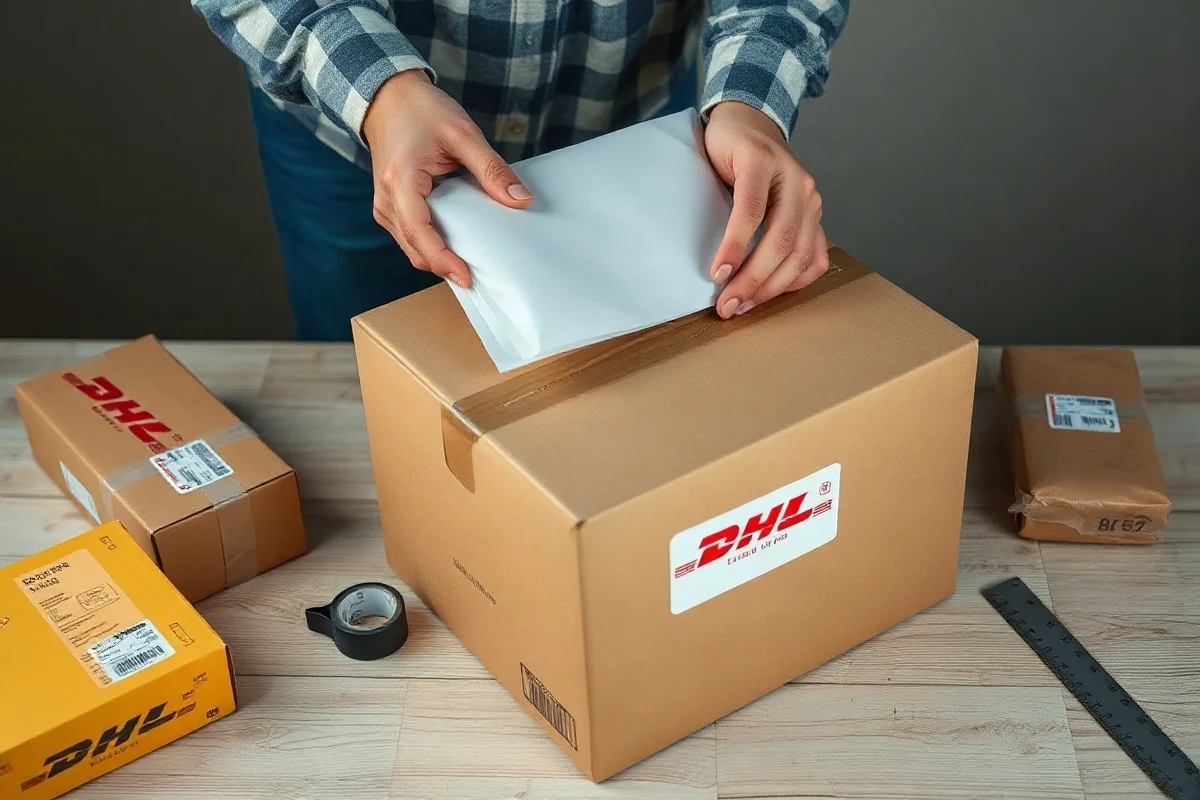
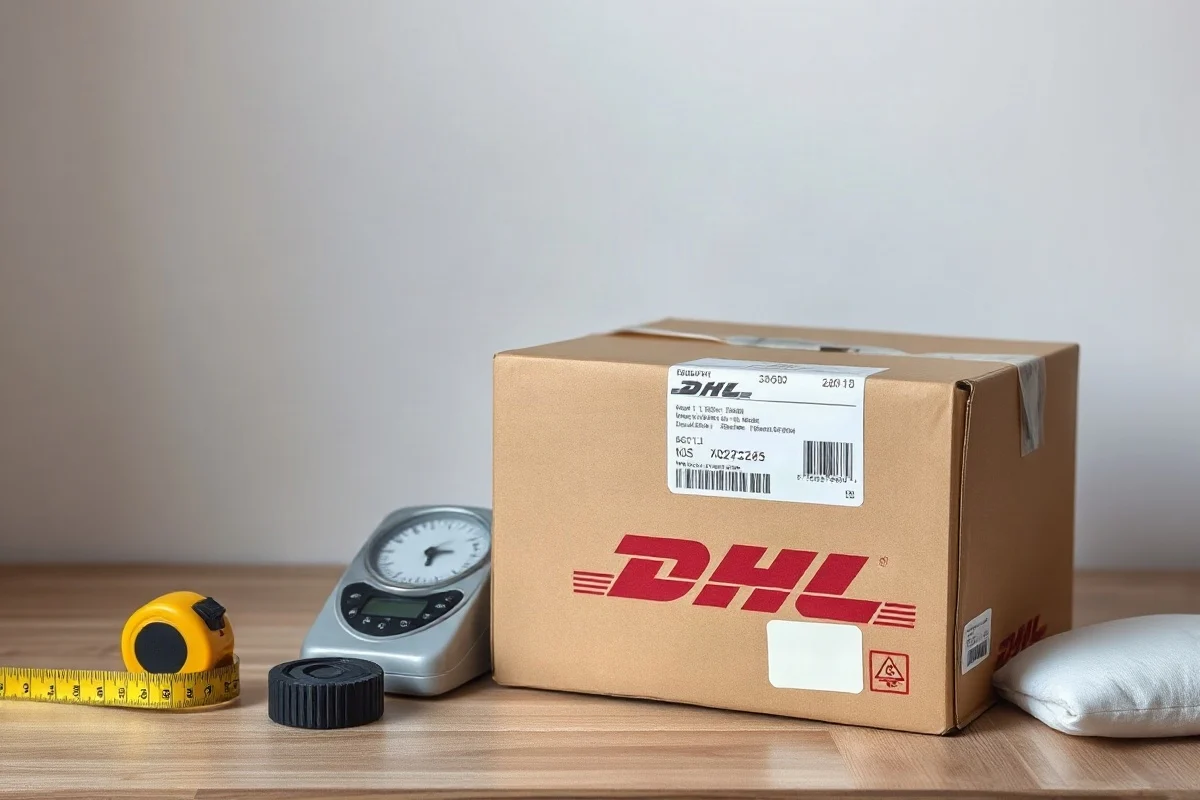
Yes, you can usually use your own box with DHL. A new or reused corrugated shipping box is generally acceptable when it is strong enough for the contents, securely closed, accurately measured, and compatible with the DHL service and destination you select. DHL does not require every shipment to use a DHL-branded box, but packaging requirements and acceptance rules can vary by country, service level, shipment type, and account agreement. Check the current DHL instructions for your specific shipment before sending it.
What matters when you use your own box
The brand printed on a box is usually less important than the box’s condition and the way it is prepared. Your package needs to survive handling, stacking, vibration, and changes in orientation during transportation. It also needs to fit within the size and weight rules that apply to the DHL service you are buying.
Before packing, inspect the box for:
- Crushed corners, torn panels, holes, or water damage
- Weak seams or separated layers of corrugated cardboard
- Old labels, barcodes, address information, and dangerous-goods markings
- Excessive empty space that could allow the contents to move
- A size that is unnecessarily large for the item inside
A previously used box can work well if it remains rigid and clean. Do not rely on a box that has lost its shape, has been exposed to moisture, or was designed only for light retail display rather than shipping.
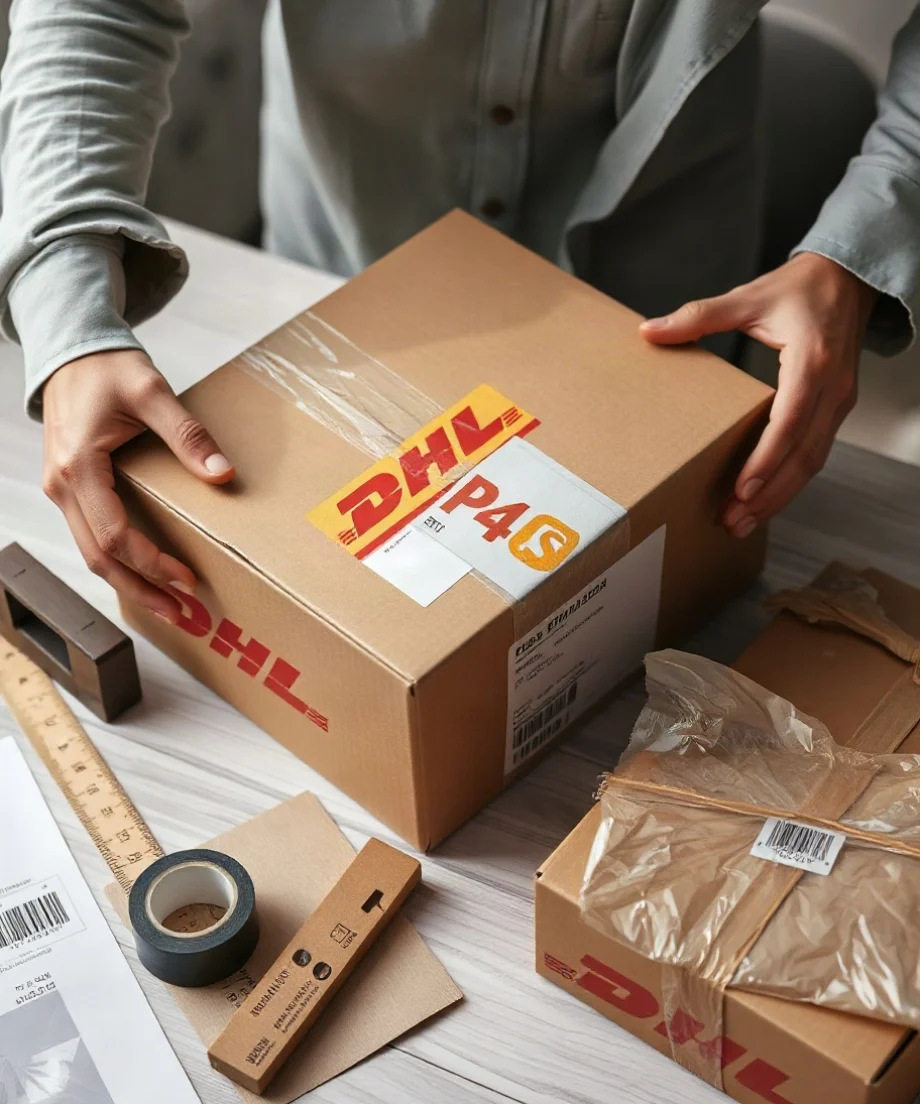
How to choose the right box
Choose the smallest practical box that leaves enough room for protective material. The goal is not to compress the contents; it is to prevent movement while maintaining a protective cushion around fragile items.
Match the box to the contents
For clothing, books, and other durable products, a close-fitting box may need only limited void fill. Glass, electronics, ceramics, and other breakable products usually need more careful protection. Wrap each item separately when appropriate, place cushioning around the sides and ends, and make sure the product cannot touch the box walls directly.
If a shipment contains multiple items, separate them so they cannot strike one another. Heavy objects should go at the bottom, with lighter items above them. Liquids require special attention: use containers with secure closures and protective wrapping that can help contain a leak if the primary container fails. Whether a particular liquid, battery, chemical, or other regulated item is accepted depends on current DHL and destination requirements.
Do not choose a box based only on its outside appearance
A box that looks large enough may not have enough internal space once padding is added. Conversely, a box with substantial unused space can increase shipping cost and make the contents more vulnerable to impact. Measure the usable interior and plan the packing arrangement before sealing the package.
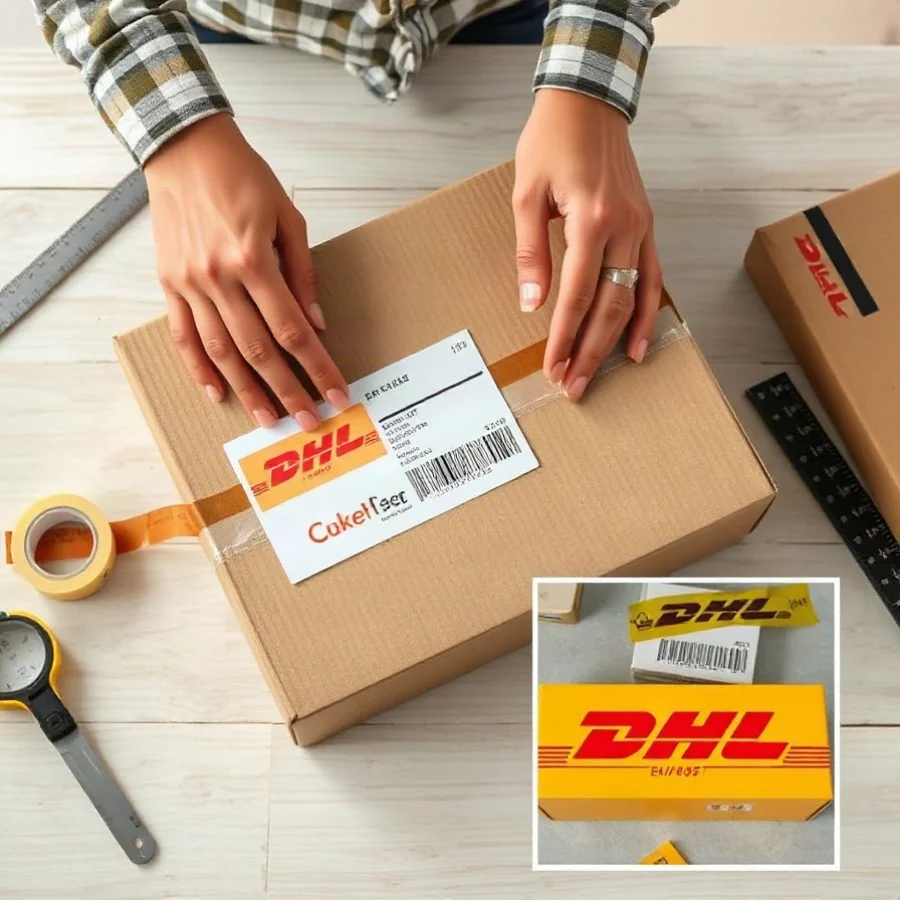
For help comparing box dimensions and usable space, you can use the Box Size Calculator. It can help you estimate a practical box size, but the final package still needs to be checked against DHL’s current rules.
How to measure a DHL package
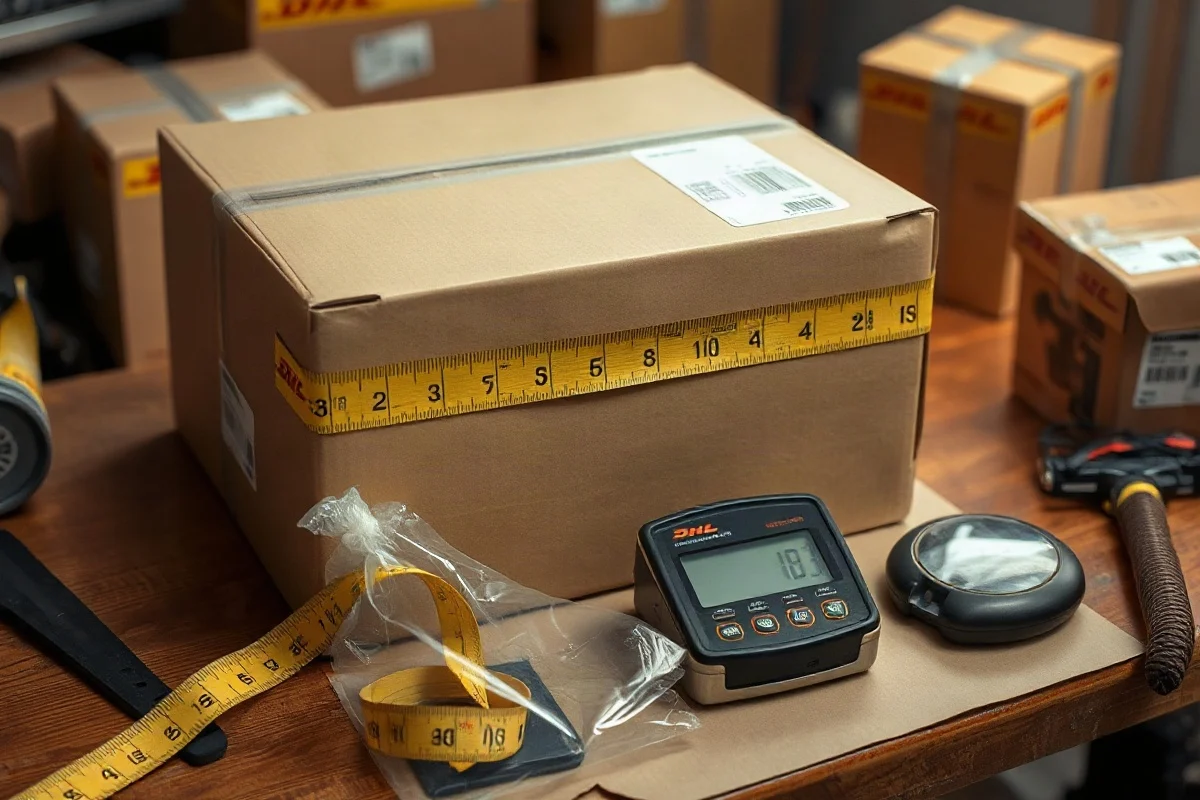
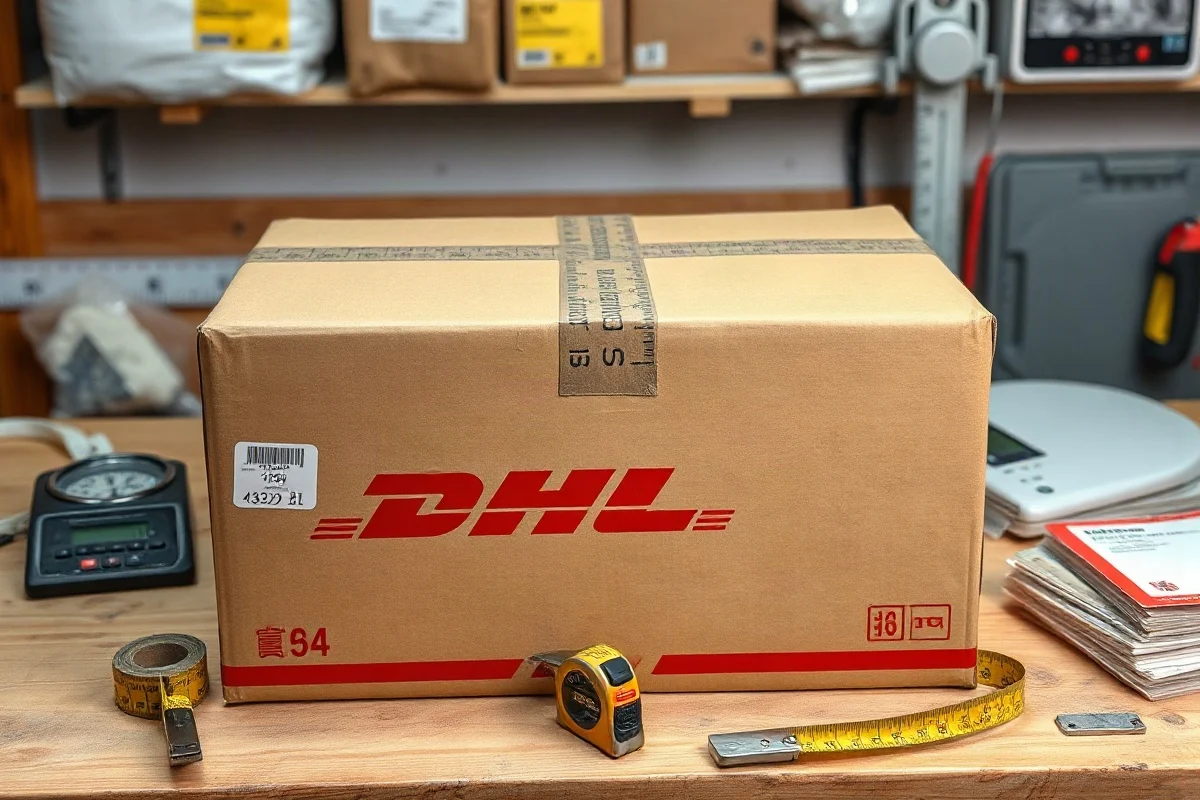
Measure the completed package, not the product before it is packed. Use the outside dimensions after the box is filled, closed, and ready for pickup. Record the length, width, and height in the unit requested by the DHL shipping tool or label system.
For a rectangular box, identify the three dimensions as follows:
- Length: the longest side
- Width: the shorter side across the top or face of the box
- Height: the remaining side from the base to the top
For example, if a sealed box measures 18 inches long, 12 inches wide, and 10 inches high, enter the package as 18 × 12 × 10 inches. If the shipping system requires centimeters, convert each measurement before entering it. One inch equals 2.54 centimeters, so 18 inches is 45.72 centimeters, 12 inches is 30.48 centimeters, and 10 inches is 25.4 centimeters.
Round measurements only as the shipping system instructs. A box can measure slightly differently after taping, bulging, or adding a protective sleeve, so measure the final parcel rather than estimating from the manufacturer’s listed box size. Our guide on how to measure a package for DHL provides a more detailed measurement process.
Size and weight limits depend on the DHL service
There is no single universal DHL size limit that applies to every shipment. Requirements may differ between DHL Express, DHL eCommerce services, domestic and international shipments, destination countries, account types, and special handling options. A package may also be accepted under one service but rejected or priced differently under another.
Before purchasing a label, verify the current requirements for:
- Maximum actual weight
- Maximum length and overall dimensions
- Oversize or non-standard package conditions
- Additional handling requirements
- Prohibited and restricted contents
- Whether the destination accepts the selected service
Use the current DHL shipping tool, service guide, or customer account documentation for the shipment route. If a package is close to a stated limit, measure and weigh it carefully instead of relying on a rounded estimate.
Dimensional weight can affect the price
A lightweight package can be charged according to the space it occupies rather than only its scale weight. This is commonly called dimensional weight, volumetric weight, or dimensional billing. The exact formula and divisor can vary by carrier, service, destination, currency, and current pricing rules, so do not assume that one DHL divisor applies to every shipment.
The general calculation starts with the package volume:
Length × width × height = cubic volume
The carrier then divides that volume by the applicable dimensional-weight divisor and compares the result with the actual weight, according to the service’s current billing rules. For example, a 24 × 16 × 12 inch box has a volume of 4,608 cubic inches. That number alone does not tell you the final chargeable weight because the applicable DHL formula, unit system, rounding rules, and actual package weight still need to be confirmed.
You can estimate package volume with the Dimensional Weight Calculator, but use the current DHL rate or shipping system for the final billable result. Reducing unnecessary empty space may lower dimensional weight, although the box must still protect the contents.
How to pack and seal your own box
1. Prepare the contents
Remove old shipping labels and barcodes from a reused carton. Wrap products individually when needed, protect sharp edges, and place liquids in leak-resistant inner packaging if they are permitted for the shipment. Include any required commercial or customs paperwork according to the destination and service.
2. Cushion the bottom
Put cushioning material on the bottom of the box before adding the contents. The right material depends on the product, but the package should prevent direct contact between the item and the carton during ordinary handling.
3. Fill empty spaces
Arrange the contents so they do not shift when the box is gently moved. Add void fill around the sides, top, and gaps between products. Avoid using so much material that the flaps bow upward or the box becomes difficult to close.
4. Close the carton securely
Bring the flaps together without forcing them and apply durable packaging tape across the main seam. Reinforce other seams when appropriate, especially on a heavy box. Do not depend on household gift tape, string, or a single narrow strip of weak tape to hold a shipping carton closed.
5. Apply the label correctly
Place the shipping label on the largest flat surface, away from seams, corners, and edges. Keep the barcode smooth and unobstructed. Do not place tape over a barcode if glare or wrinkles could interfere with scanning. Remove or cover old labels so automated equipment and delivery personnel do not see conflicting addresses.
When a DHL box may be the better option
Using your own box is convenient, but a DHL-provided package can be useful when you need a standardized size, branded documentation, or a packaging option designed for a particular service. Availability is not necessarily the same in every country or location, and packaging supplied for one DHL program may not be intended for another.
If you use a DHL-branded box, do not assume that the packaging automatically qualifies every shipment for every service. Confirm the service-specific terms, weight restrictions, and destination requirements before relying on it.
Common mistakes to avoid
- Measuring the product instead of the final parcel: padding and tape change the outside dimensions.
- Using a damaged reused carton: previous wear can reduce stacking strength.
- Leaving empty space: movement can cause impact damage and may increase dimensional weight.
- Overfilling the box: bulging panels and stressed flaps can open during handling.
- Using conflicting labels: old barcodes can cause scanning errors.
- Guessing the service rules: DHL requirements can change by route, service, and date.
For related guidance, see our DHL Package Guide and review the current DHL documentation before you hand over the shipment. A strong, correctly measured box is usually a suitable starting point, but acceptance and pricing always depend on the specific DHL service and package details.
Comments
0No comments yet. Be the first to share a helpful note or question.
Leave a Comment
Your email address will not be published. Comments are reviewed before appearing on the site.