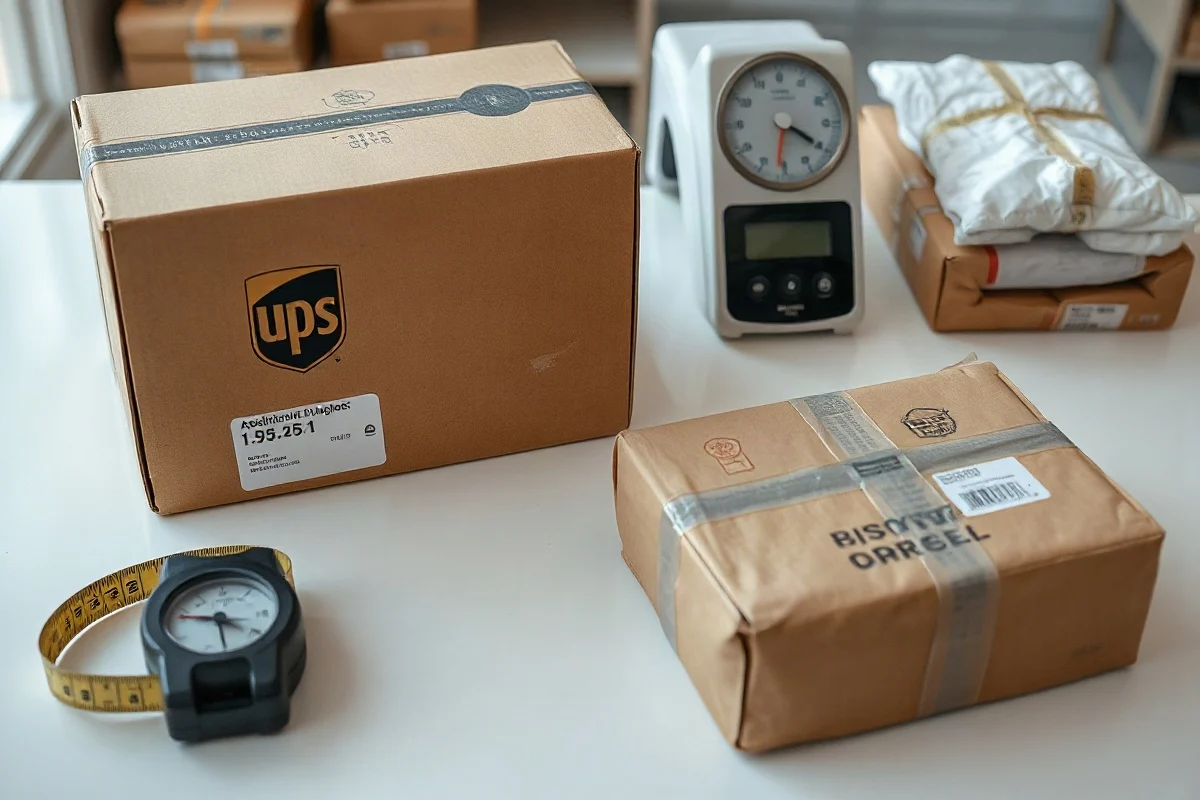
UPS Additional Handling charges are generally triggered when a package is unusually large, heavy, difficult to handle, or packaged in a way that requires extra processing. Common risk factors include exceeding UPS size or weight thresholds, having an irregular shape, using certain packaging materials, or presenting dimensions that require special handling. The exact criteria and charge amounts can vary by service, destination, package type, and current UPS terms, so confirm the latest rules in the official UPS rate and service documentation before shipping.
A package can qualify for Additional Handling even when it is accepted by UPS and does not exceed the carrier's maximum size or weight limit. In other words, a package may be shippable but still receive a surcharge. Careful measuring, stronger packaging, and a design that keeps the parcel compact and rectangular can reduce the risk of unexpected charges.
What UPS typically reviews
UPS evaluates more than the product's actual weight. The carrier also considers the package's outside dimensions, shape, packaging materials, and how easily the parcel can move through normal handling equipment. A charge may be assessed when one or more of these characteristics falls into a category identified in the current UPS service guide.
Large package dimensions
Oversized dimensions are one of the most common reasons a parcel receives additional handling. UPS uses the package's exterior measurements, including the box, cushioning, tape, labels, and any other material that changes the final footprint.
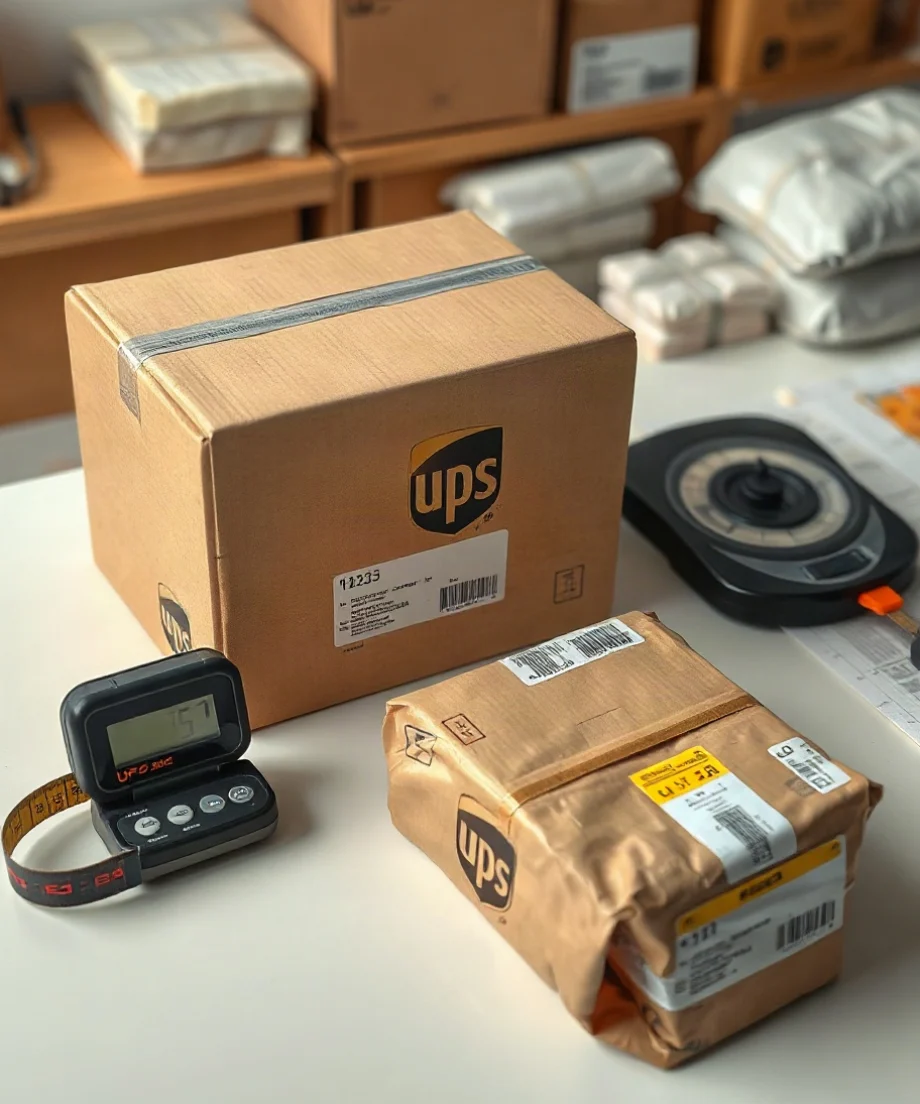
Do not measure only the product or the empty box. Measure the completed package after it has been sealed. Record the longest side, the side beside it, and the shortest side. If the package is not perfectly rectangular, measure the greatest exterior length, width, and height that describe its shipping envelope.
UPS may use different dimensional or size tests depending on the service and package category. Because thresholds can change, do not rely on an old chart, a seller forum, or a previous invoice. Check the current UPS source for the origin, destination, service, and shipment date.
Heavy packages
Weight can also lead to Additional Handling. A dense item such as a machine part, a stack of books, or a filled container may require more effort to lift and sort than an ordinary parcel. A package can therefore attract a surcharge because of its actual weight even if its dimensions are relatively small.
Use a scale that can measure the complete shipment. Include the box, inner packaging, product, accessories, paperwork, and shipping materials. Round the result only as required by the applicable UPS rating rules; do not assume that a household scale reading will match the carrier's billed weight.
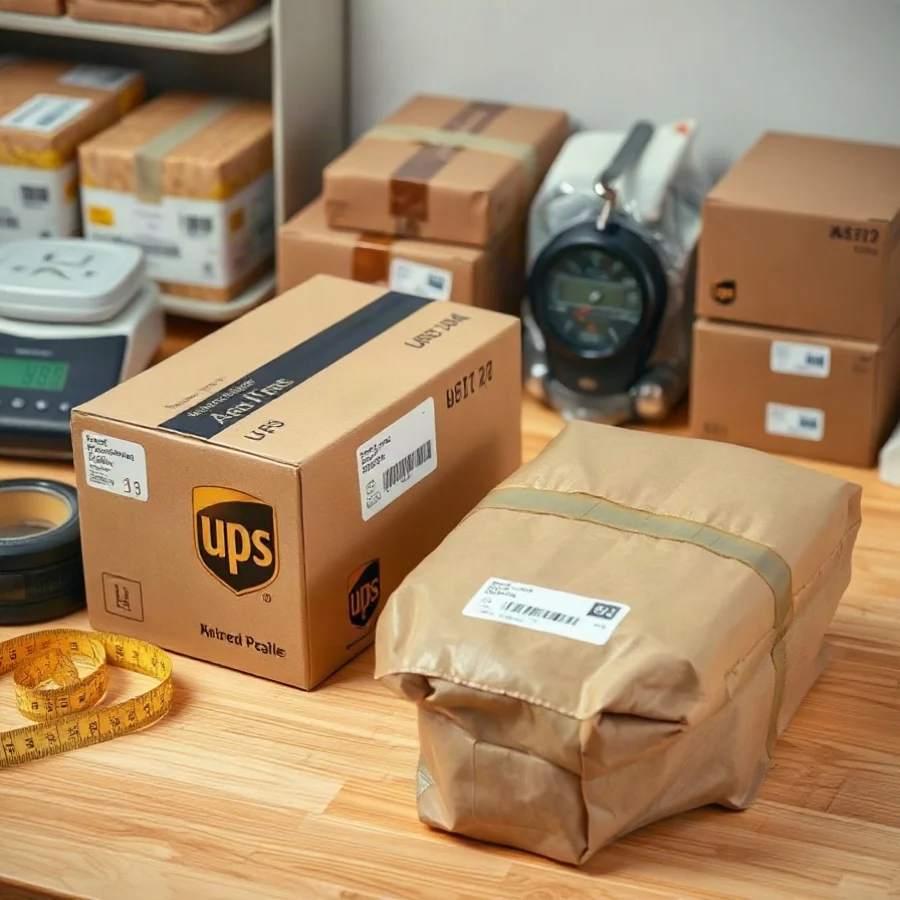
Actual weight is only one part of the pricing calculation. If a package takes up more space than its physical weight suggests, UPS may also calculate dimensional weight. The billable weight can be based on the applicable comparison between actual weight and dimensional weight. The divisor and rounding method can vary by service and may change, so verify them before calculating a quote. You can use the Dimensional Weight Calculator as a planning tool, then confirm the result against the current UPS rules.
Irregular or non-rectangular packages
Packages that are round, cylindrical, tapered, tube-shaped, or otherwise difficult to stack may be treated differently from standard cartons. An exposed handle, wheel, strap, hook, or other projection can also make a package harder to sort or move.
Irregular shapes create two problems. First, they can occupy more space than their simple measurements suggest because the parcel cannot fit closely with neighboring boxes. Second, they may require manual handling or additional inspection. Even if the contents are lightweight, the exterior can create a handling issue.
Whenever practical, place an oddly shaped item inside a sturdy rectangular carton. Fill empty areas so the item cannot shift, protect fragile protrusions, and make sure no part of the product presses against the carton wall. The goal is not merely to make the parcel look neat; it is to create a stable package that can be safely moved with other shipments.
Packaging materials that may require special handling
Some packaging constructions may be more difficult to process than an ordinary corrugated box. Examples can include certain wooden crates, metal containers, rigid plastic cases, fabric or cloth bags, and packages covered in materials that do not provide a predictable surface. The current UPS service guide should be used to determine whether a specific material or construction is subject to a charge.
A strong box is not automatically a problem. The issue is whether the outside package is suitable for the applicable UPS handling system and service. If you need a crate, case, drum, or other specialty container, ask UPS or your shipping provider how it will be classified before tendering the shipment.
How to measure a package correctly
Accurate dimensions help you identify possible surcharges before the package reaches the carrier. Measure the finished package rather than estimating from the product listing or the nominal box size.
- Seal the package first. Add the final tape, protective corners, labels, and any exterior material that will travel with the shipment.
- Measure length. Use the longest side of the completed package.
- Measure width. Measure the side perpendicular to length and height.
- Measure height. Measure the remaining side, including bulges or protrusions.
- Round consistently. Follow the current UPS instructions for dimensional rounding and billing. Do not mix measured values in inches with a formula intended for centimeters.
- Weigh the complete parcel. Record the actual shipping weight after all packaging is installed.
For a rectangular box, a common planning measurement is the outside length, width, and height. The package's girth may also matter for carrier size rules. A basic girth calculation is:
Girth = 2 × (width + height)
When combined with length, this can help you screen a parcel for size concerns. However, it is not a substitute for the current UPS rule set because the carrier may define size categories, exclusions, rounding, and service restrictions differently.
For more measuring guidance, see our guide to package dimensions. If you are testing several carton options, the Box Size Calculator can help compare exterior box dimensions before you pack the order.
Examples of packages that deserve a surcharge check
A long, narrow carton
A fishing rod case, rolled poster, or long replacement part may have a modest actual weight but a long exterior dimension. Measure the packaged item, including end caps and protective padding. Then check the current UPS size and Additional Handling criteria for the selected service. A rectangular outer carton may be easier to handle than a flexible tube, but it can still qualify because of its dimensions.
A dense box of metal parts
A small carton filled with hardware may be compact but heavy. Use an appropriate inner container and enough cushioning to prevent movement. Check the actual weight and any applicable weight threshold before purchasing a label. Do not assume that compact dimensions eliminate handling-related charges.
A carton with a protruding product feature
A chair leg, appliance control, tool handle, or other projection can create an uneven surface. Remove or protect the projection if possible, then place the item in a box with clearance on all sides. A package that has a regular outer shape is generally easier to stack and protect than one with exposed parts.
A soft-sided or nonstandard package
A heavy-duty bag may be suitable for some items, but it can be less stable than a rigid carton. If the contents are dense, sharp, fragile, or difficult to stack, consider a corrugated box or a carrier-approved specialty container. Confirm how UPS classifies the finished package before shipping a high-value or time-sensitive order.
Additional Handling versus other UPS charges
Additional Handling is not necessarily the same as every other surcharge on a UPS invoice. A shipment may be reviewed for different charges related to oversized dimensions, large-package treatment, residential delivery, address corrections, remote or extended areas, declared value, fuel, or other service conditions. The names and amounts of these charges can vary over time.
One package can also meet more than one rating condition. For example, a large parcel might receive a handling-related charge and be rated under a separate large-package rule. Never assume that fixing one issue removes every possible surcharge. Compare the final package with each applicable section of the current UPS pricing documentation.
Ways to reduce the risk of Additional Handling
- Use the smallest safe carton. Oversized empty space increases exterior dimensions and may increase dimensional weight.
- Keep the outside rectangular. Put unusual shapes, handles, and protrusions inside the carton whenever possible.
- Use suitable cushioning. Protect the contents without creating unnecessary bulges.
- Distribute weight evenly. A stable carton is easier to lift and less likely to deform during transit.
- Reinforce weak seams. Use packaging tape intended for shipping and secure the carton without creating sharp or loose exterior material.
- Measure after packing. A few inches of padding or a bulging panel can change the rating.
- Save your measurements. Keep the final dimensions, weight, packaging style, and service selection with the shipment record.
- Review the current UPS rules. Check the official source before changing packaging standards or publishing a shipping price.
For a business, it is useful to test representative packages from each product group. Record the packed dimensions and weight for small, medium, and large orders. If a product frequently produces irregular cartons, redesigning the inner and outer packaging may cost less than repeatedly absorbing surcharges.
What to check before buying a UPS label
Before you finalize a shipment, confirm the package's outside length, width, height, actual weight, shape, and packaging material. Enter the measurements exactly as required by the shipping platform, and compare the result with the current UPS information for your service and destination. If a calculator, marketplace, or third-party shipping tool displays a different result from UPS, investigate the difference instead of assuming the cheaper amount is correct.
When the shipment is unusual, contact UPS or your authorized shipping provider before tendering it. Ask specifically how the completed package will be classified and whether any handling, size, or packaging-related charge may apply. Rules can change, and a rate shown in an older contract, software account, or saved spreadsheet may no longer reflect current pricing.
The most reliable preparation is simple: create a stable outer package, measure it after sealing, weigh it completely, calculate dimensional weight using the applicable current method, and verify all possible charges before promising a shipping price. For broader carrier comparisons, visit the UPS Package Guide and review the official UPS documentation linked to your shipment.



Comments
0No comments yet. Be the first to share a helpful note or question.
Leave a Comment
Your email address will not be published. Comments are reviewed before appearing on the site.